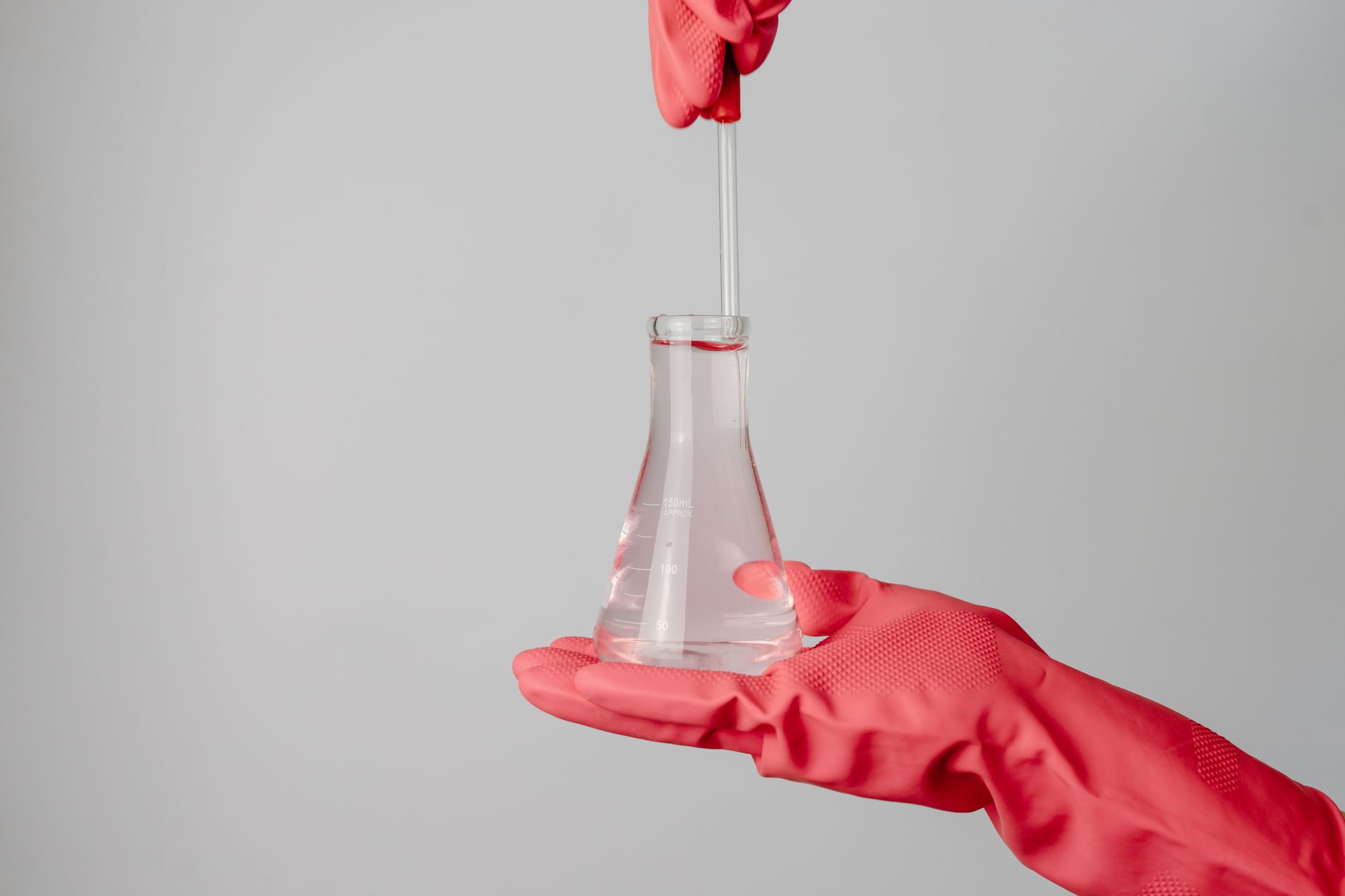
How to Test Well Water Quality: What to Test For and How Often
Quick Answer TL;DR: Testing your well water is not optional — it’s the single most important thing you can do to protect your household. A private well is not regulated by the EPA or your state, so the safety of your water is entirely your responsibility. At minimum, test annually for coliform bacteria and E. coli, plus a baseline chemistry panel (pH, hardness, iron, manganese, TDS, nitrate). Every 3–5 years, run a comprehensive panel that adds lead, arsenic, pesticides, VOCs, radon, and uranium where regionally relevant. Test immediately after drilling, flooding, nearby septic failure, chemical spills, well repairs, or if anyone in the home is pregnant or has a baby under six months. ...