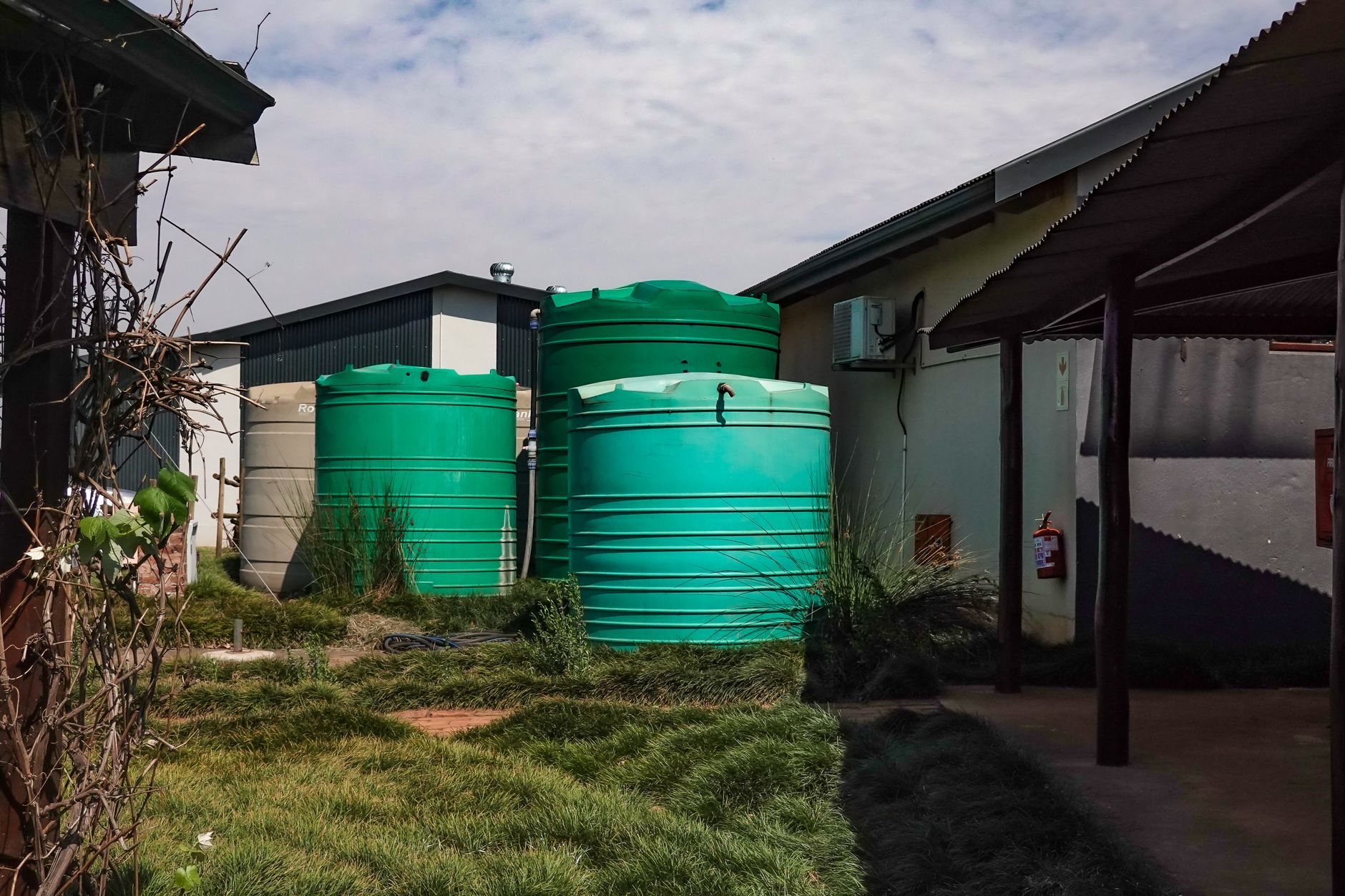
Water Storage Tank Maintenance: Cleaning, Sanitizing, and Preventing Algae
Quick Answer: The best water tank maintenance method depends on your tank size, access, and contaminants. Shock chlorination with household bleach (sodium hypochlorite) is the most cost-effective way to sanitize tanks and kill 99.9% of bacteria and viruses. For ongoing algae prevention, opaque tanks, regular cleaning, and small maintenance doses of hydrogen peroxide or chlorine work best. Always test water quality before and after treatment. A clean water storage tank is non-negotiable if you depend on harvested rainwater, a private well, or stored emergency reserves. Even a few inches of sediment at the bottom of a 500-gallon tank can harbor coliform bacteria, parasites, and the musty biofilm that turns potable water into a health hazard. Over a year, a single uncovered tank can accumulate enough organic matter to support algae blooms that release toxins and consume free chlorine. Many off-grid households discover the problem only when the water starts smelling like rotten eggs or family members get unexplained stomach bugs. That’s why proactive maintenance is critical. ...