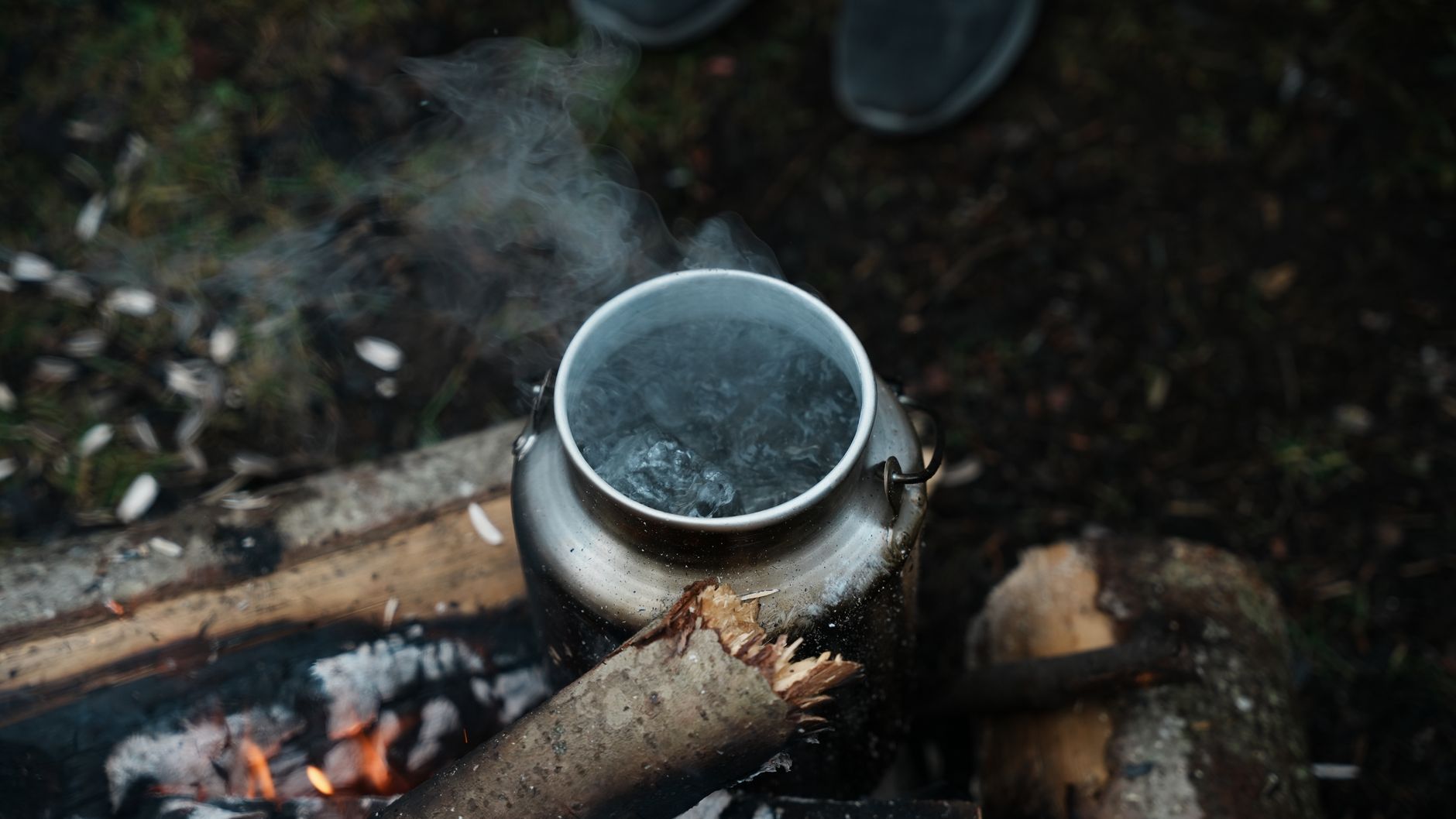
Water Purification Methods Ranked: Boiling, Chemical, UV, Filtration, and Distillation

Quick Answer The right method depends on your situation, but here’s the ranking by overall reliability: Boiling — the most universal, guaranteed method (kills virtually everything) Reverse-osmosis + UV filtration — best for home tap purification (removes contaminants + microbes) Purifier filters (e.g., Grayl) — best portable option (removes bacteria, protozoa, and viruses) Filter (e.g., LifeStraw/Sawyer) — great for backcountry (bacteria + protozoa, not viruses/chemicals) UV light (e.g., SteriPEN) — kills microbes fast, but needs clear water and power Chemical treatment (chlorine/iodine/tablets) — lightweight and effective (microbes, but slow; iodine tastes bad and has limits) Golden rule: Boiling always works for pathogens. For chemical contaminants (lead, pesticides, salts), boiling does nothing — you need distillation, reverse osmosis, or a specialty filter. ...
August 5, 2026 · 8 min · Jarrod Gravison

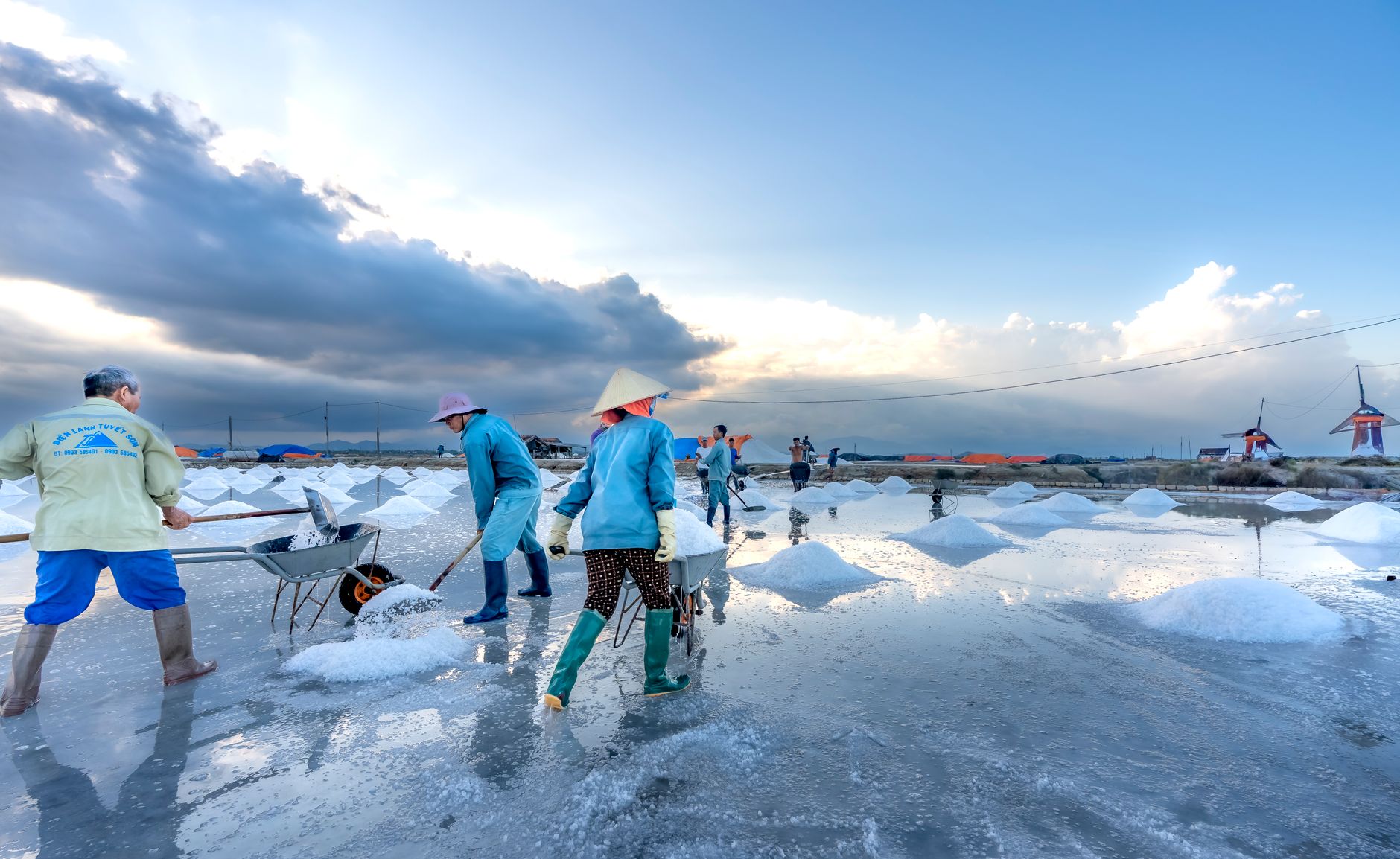
Desalination Guide: How It Works, Home vs Industrial, Cost, and Impact

Quick Answer Desalination removes salt from seawater or brackish water to make it drinkable. The two dominant methods are reverse osmosis (pushing water through a semi-permeable membrane under high pressure) and thermal distillation (boiling seawater and condensing the fresh vapor). The key numbers: Industrial plants produce huge volumes but cost $1-$3+ per 1,000 gallons (about $0.001-$0.003/gallon operating cost) and use 3-13 kWh per 1,000 gallons Home/portable desalination is far more expensive per gallon — a survival desalinator is really for emergencies Environmental costs (brine/discharge, energy use, marine intake) are the major drawbacks at scale Bottom line: Desalination makes sense at industrial scale for coastal cities, but for almost every homeowner it’s far more economical to drill a well, harvest rainwater, or use an atmospheric water generator in a humid climate. ...

August 5, 2026 · 9 min · Jarrod Gravison