Best Emergency Water Filters for Natural Disasters (2026)

Quick Answer When the tap stops being safe — after floods, hurricanes, earthquakes, or a boil-water advisory — your filter choice depends on how many people you’re supporting and whether the water could carry viruses (common after flooding when sewage mixes in). Best personal/emergency kit filter: LifeStraw Personal — $20, tiny, filter-as-you-sip Best family/group option: Sawyer Squeeze with a gravity bag — filter large batches fast Best if water is flood-contaminated (viruses possible): Grayl Geopress purifier, or a gravity purifier (e.g., MSR Guardian-class, or chemical treatment) Best long-term home prep: a gravity filter (like a Berkey-style or Big Berkey/countertop purifier) that treats large volumes for days The disaster-specific rule: Most portable hiking filters do NOT remove viruses. Floodwater, sewage backup, and contaminated wells create viral risk (norovirus, hepatitis A, rotavirus). For that, you need a purifier (virus-removing), chemical treatment (chlorine/iodine tabs), or boiling. Build your emergency plan around that. ...

August 6, 2026 · 9 min · Jarrod Gravison

Off-Grid Water Systems: Complete Setup Guide (Well + Solar Pump + Storage + Filtration)

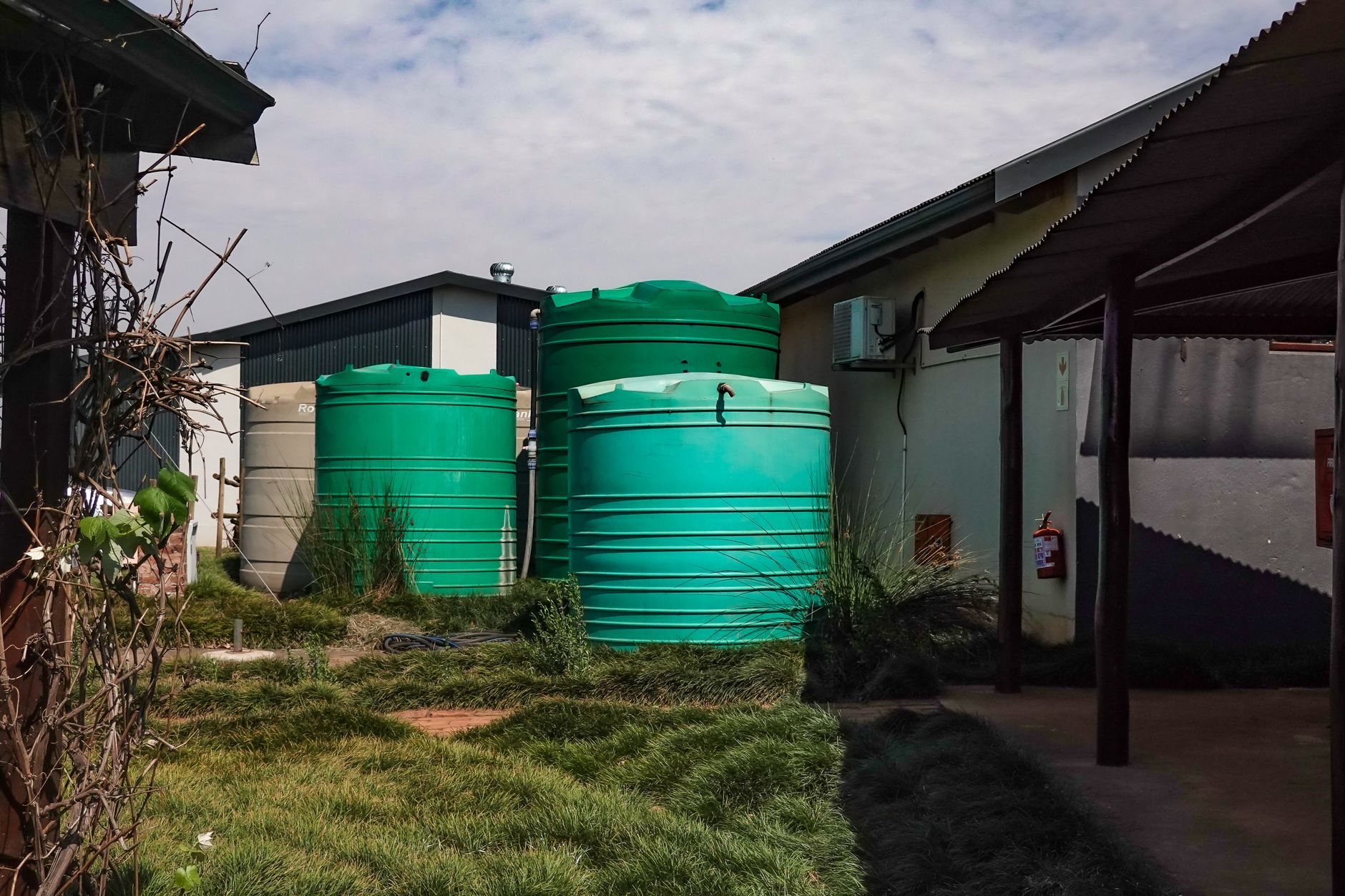
Quick Answer A self-sufficient water system has 5 core components: Source: a well, spring, rainwater harvest, or atmospheric water generator Pumping: a solar-powered pump (the most common off-grid choice) or battery/generator pump Storage: a large pressure or gravity storage tank (200-1,000+ gallons) so you have water day and night Filtration/sanitation: sediment + carbon filters, and UV or chemical disinfection Distribution: a pressure tank + pump system to deliver water to fixtures at usable pressure Budgets: a basic off-grid setup (shallow well + solar pump + storage + filter) runs $2,000-$6,000; a full automatic system with a drilled well, large storage, and pressure distribution $8,000-$20,000+. A deep well itself is often the single biggest line item. ...

August 5, 2026 · 9 min · Jarrod Gravison

Greywater Recycling Guide: What's Legal, What Works, and Cost Savings

Quick Answer Greywater is the gently used water from sinks, showers, bathtubs, and washing machines (everything except “blackwater” from toilets). Greywater recycling captures it and reuses it — most commonly for landscape irrigation, and in more advanced setups for toilet flushing. The key facts: ~50-80% of residential wastewater is greywater (showers, laundry, sinks) — a big reusable resource Safe for irrigation when you use biodegradable, low-salt, low-boron products and don’t let it pool or touch edible parts of plants Legal status varies wildly: some states encourage it with simple permits, others effectively ban it Simple systems cost: DIY laundry-to-landscape systems from $100-$1,000; permitted whole-house systems $2,000-$10,000+ Savings: greywater reuse can cut household water use (and sewer/water bills) by 30-50% Bottom line: For off-grid or water-conscious homeowners, greywater irrigation is one of the highest-value, lowest-effort water-savings you can implement — but you must check your local code first, since legality determines everything. ...

August 5, 2026 · 9 min · Jarrod Gravison

How to Find Water in the Wilderness: Survival Sourcing and Purification

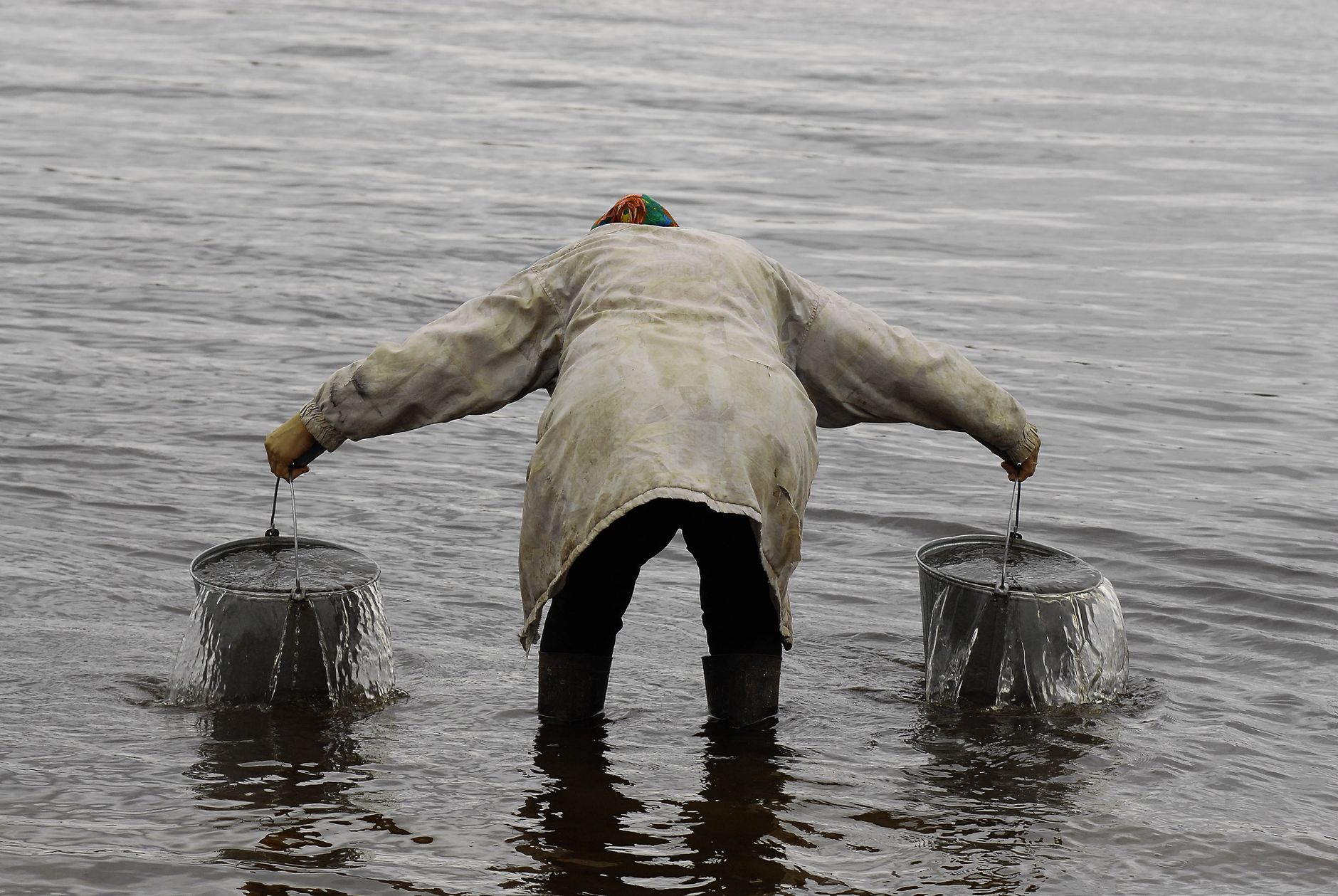
Quick Answer The fastest way to find safe water in the wilderness: Go down, not up. Water collects in valleys, ravines, and depressions — head downhill for seeps, springs, and streams. Follow the green. Lush, green vegetation clusters and animal trails often converge on water sources. Look for indicators. Dense fly/mosquito swarms, moist soil, and low-lying rock bases (which hold seeps) signal water. Watch the morning. Early morning fog or frost on grass can be collected (fog fences, dew collection). Always purify it. Whatever you find — filter, boil, or treat — before drinking. See our purification methods guide. Never stop moving/downed by thirst — prioritize finding water if you’re in a true survival scenario. But never rely on a single plant/rock and skip purification when you reach it. ...

August 5, 2026 · 9 min · Jarrod Gravison

Best Portable Water Filters (2026): LifeStraw, Sawyer, Katadyn, and Grayl Compared

Quick Answer If you only take one water filter outdoors, here’s the shortlist: Best overall for backpacking: Sawyer Squeeze — lightweight, high flow, versatile, long-lasting filter Best budget / grab-and-go: LifeStraw Personal — tiny, dirt cheap, filter-as-you-sip Best for treating large amounts / groups: Katadyn BeFree or Sawyer Squeeze with a bag Best all-in-one bottle: Grayl Geopress — filters + purifies (removes viruses), great for travel Best for travel/unknown sources: Grayl — full purification Key distinction: A “filter” removes bacteria and protozoa; a “purifier” also removes viruses (via chemical/electrochemical or specific membranes). For lakes/streams in the backcountry, a filter is usually enough. For questionable drinking-water sources abroad, use a purifier. ...

August 5, 2026 · 9 min · Jarrod Gravison

Emergency Water Storage: How Much, What Containers, and How Long

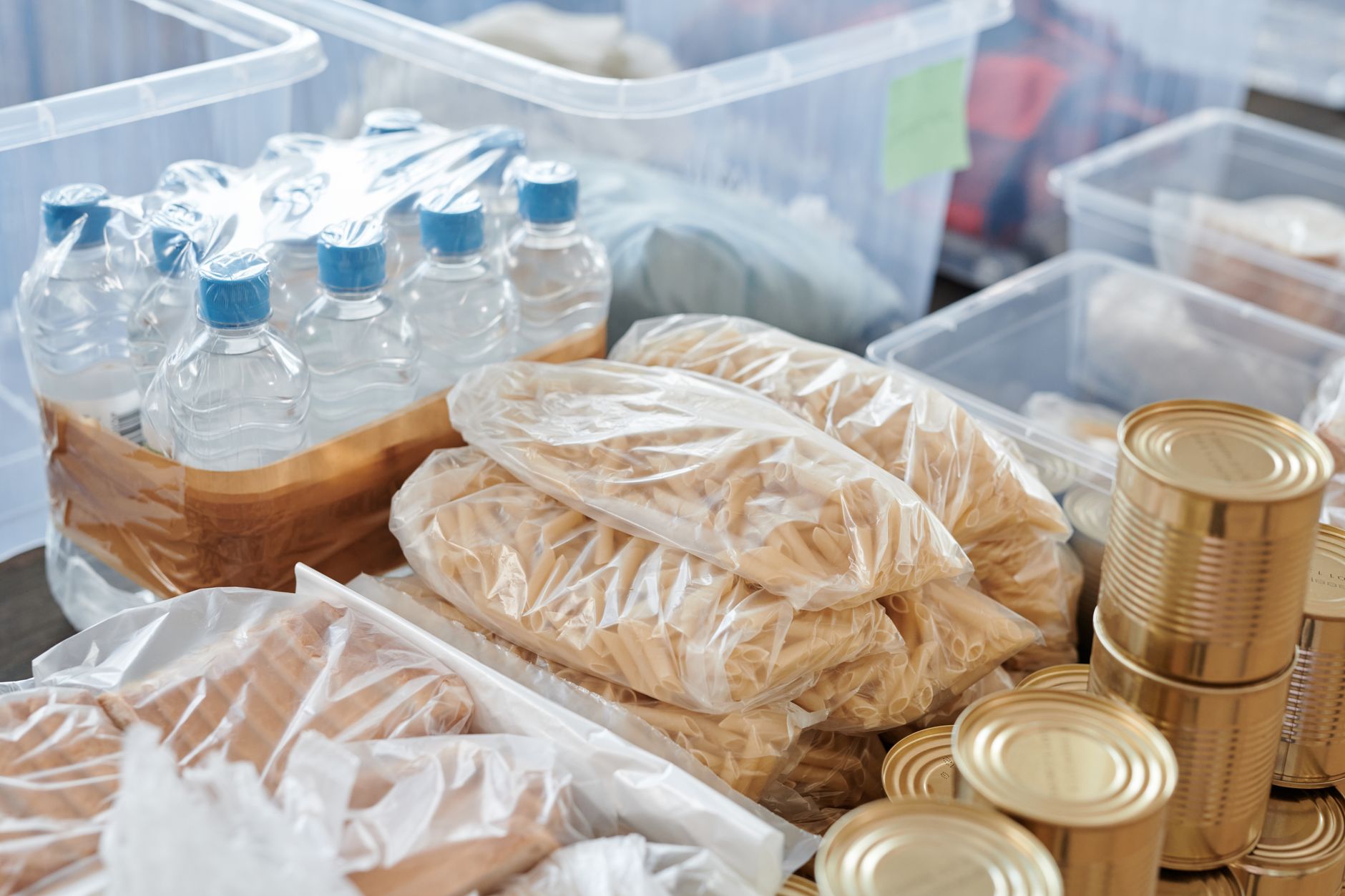
Quick Answer How much: Store 1 gallon per person per day for at least 2 weeks — that’s 14 gallons per person minimum. For a family of 4, that’s 56 gallons. Double it to 2 gallons (drinking + sanitation) if you can. Best containers: Food-grade plastic (HDPE #2), ideally 5-gallon stackable jugs or 55-gallon barrels, plus a few single-use commercial water bottles for grab-and-go. How long does stored water last? Commercially bottled water can last 1-2 years (check the date); freshly filled, properly cleaned and sealed containers can store safely 6-12 months if rotated, or longer with treatment. ...

August 5, 2026 · 9 min · Jarrod Gravison