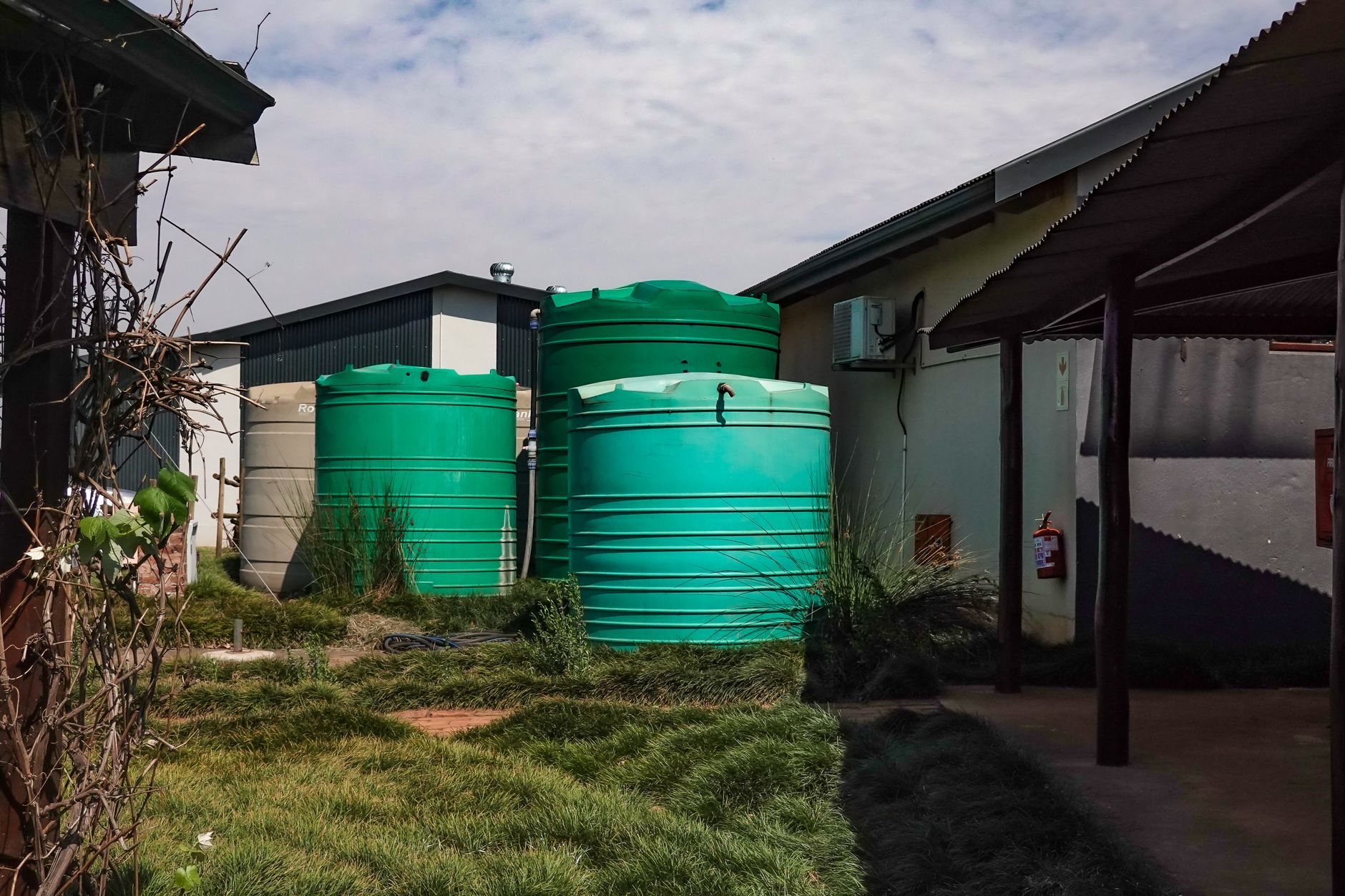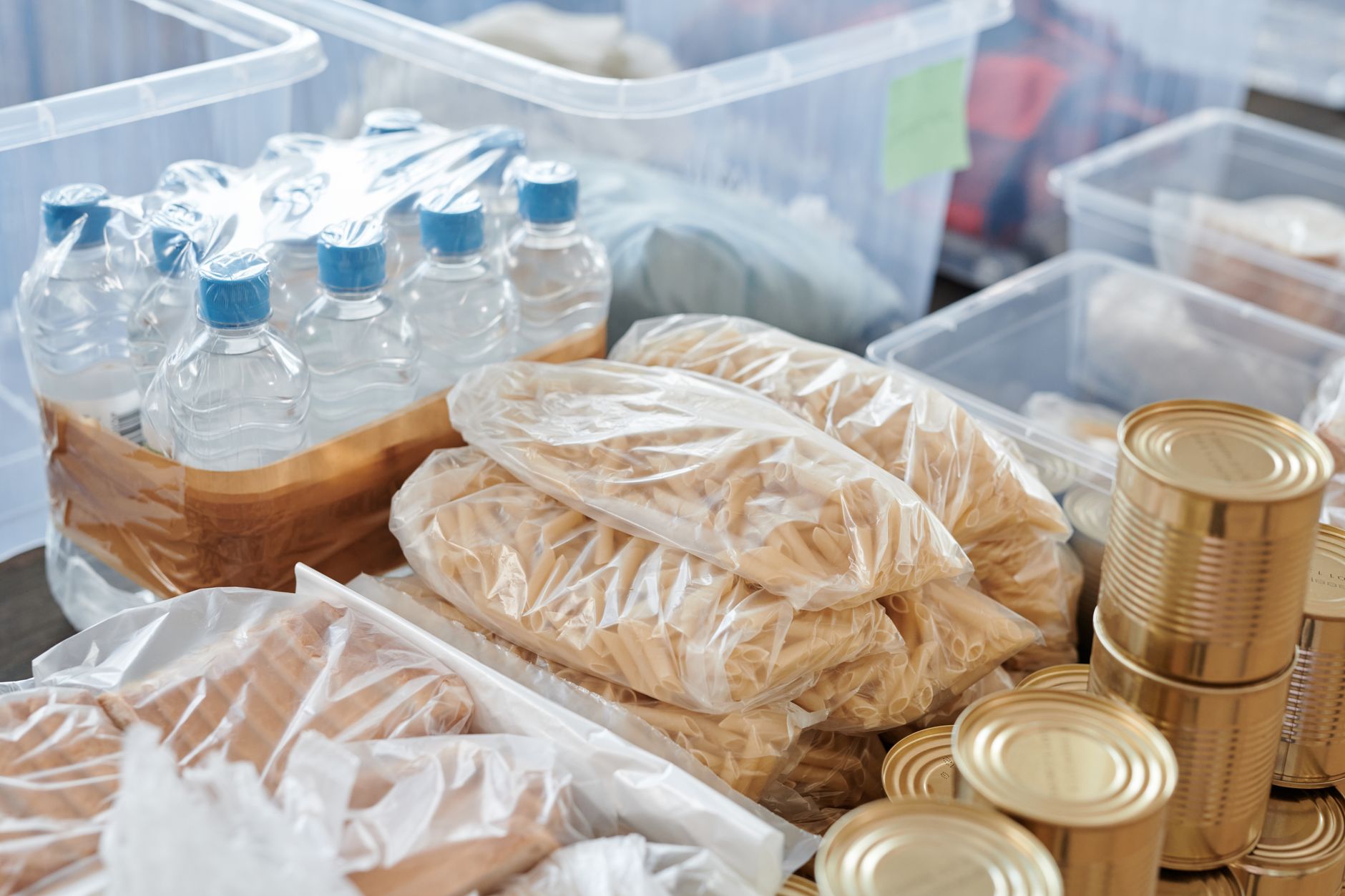
Water is the single most critical emergency supply. The CDC’s drinking water safety guidelines recommend storing at least 1 gallon per person per day for drinking and basic hygiene. For a family of four, that’s 56 gallons for a two‑week cushion, a stark figure that quickly rules out a few milk jugs in the pantry. Dehydration sets in within 24 hours in extreme conditions, and without water, survival drops to three days. This urgency makes choosing the right storage method not a prepper luxury but a fundamental household precaution. Before filling anything, test your water quality to be sure what you’re putting away is safe from the start.
Many new preppers grab the nearest container without checking the resin code, a mistake that can ruin an entire stash. Food‑grade HDPE #2 and PETE #1 plastics are the gold standard because they don’t leach chemicals over time. The EPA’s ground water and drinking water standards set the bar for materials that contact potable water, and your storage containers should meet those expectations. A deep dive into the best water storage containers reveals that even a sturdy barrel can contaminate your supply if it previously held solvent or insecticide. Stick with containers sold explicitly for water, and when in doubt, look for NSF/ANSI 61 certification.
Cost and footprint add another layer to the decision. A new 55‑gallon drum runs about $80, translating to roughly $1.45 per gallon, while a single WaterBrick holding 3.5 gallons often costs $20, or nearly $5.70 per gallon. That jump matters when you’re scaling up to a family supply. However, the ability to rotate stored water easily can justify higher upfront prices because you’ll waste less. Regardless of the vessel, proper tank maintenance and quarterly testing with a home water testing kit prevent you from holding a barrel of stagnant soup.
This comparison article breaks down five common emergency water storage options, from enormous 55‑gallon plastic drums to fragile but inert glass jars. We’ll weigh capacity, cost per gallon, portability, and long‑term reliability so you can match the container to your space, budget, and family size. By the end, you’ll know exactly which method fits your homestead, apartment, or bug‑out plan.
How Do the Top Options Compare?
| Container | Capacity | Cost per Gallon | Portability | Best For |
|---|---|---|---|---|
| 55-Gallon Drum | 55 gallons | Check price | Low (heavy) | Bulk home storage |
| Water Bricks (3.5 gal) | 3.5 gallons each | Check price | High (stackable) | Modular portable storage |
| 7-Gallon Aqua-Tainer | 7 gallons | Check price | Moderate | Budget-friendly portable |
| Bathtub Bladder | Up to 100 gallons | Check price | Temporary (crisis‑only) | Short‑term bathtub fill |
| Glass Carboys/Jars | 1, 5 gallons | Check price | Low (fragile) | Chemical‑free long‑term |
Cost per gallon values are based on typical retail prices as of 2025. For bathtub bladders, the cost is a one‑time use; per‑gallon cost is meaningless because you’re paying for convenience, not ongoing storage. Always factor in the cost of a siphon, pump, or spigot adapter for bulk containers.
1. 55-Gallon Food-Grade Plastic Drums , Long‑term bulk storage for families
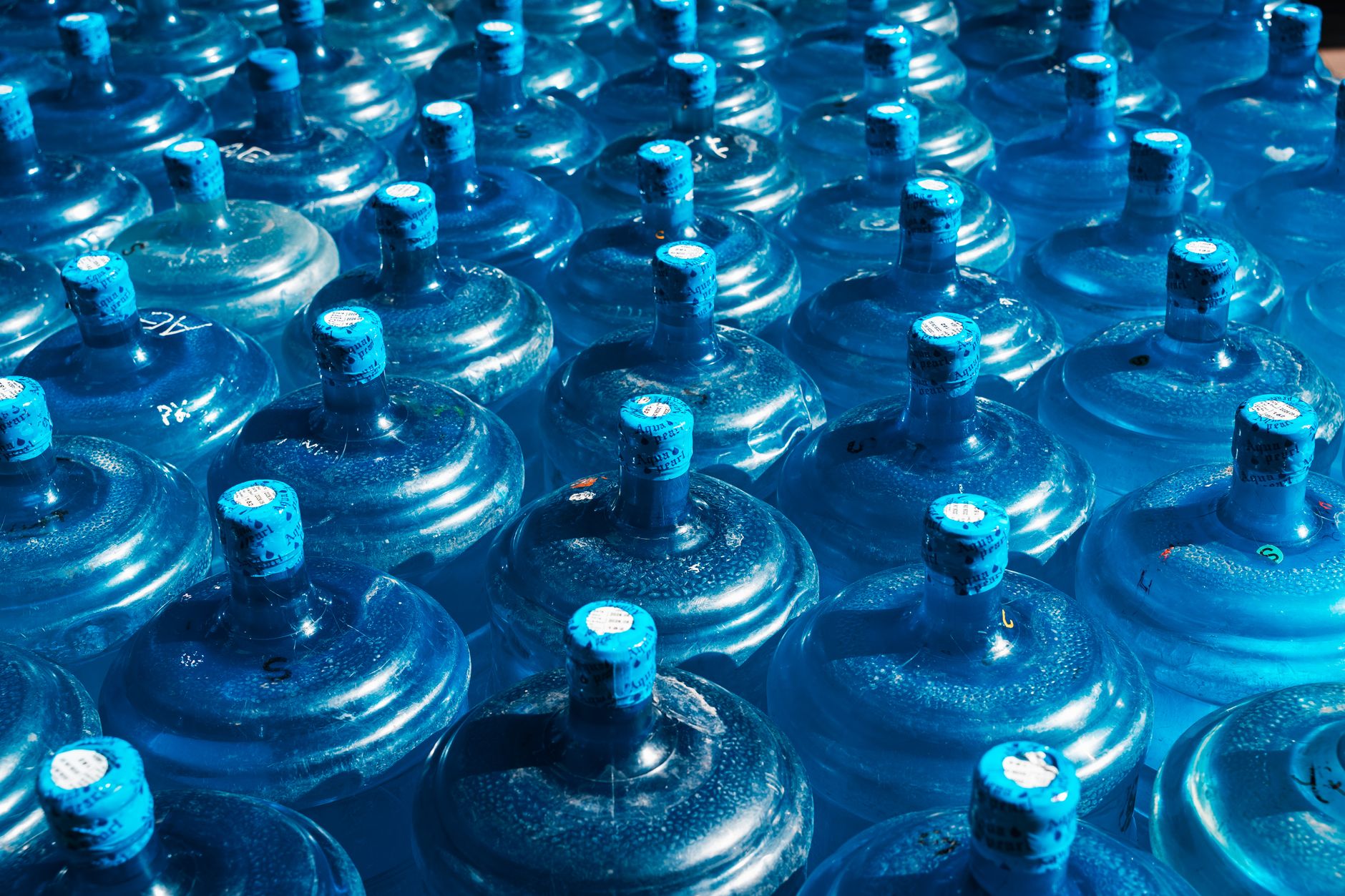
A 55‑gallon blue drum is the workhorse of emergency water storage. When filled, a single barrel provides a two‑week supply for four people at the CDC‑recommended gallon per person per day. These drums are made of high‑density polyethylene (HDPE #2) and, when bought new from a water‑storage supplier, ship clean and ready to fill.
The cost‑per‑gallon story is hard to beat. At $80‑$120 retail, you pay just $1.45‑$2.18 per gallon. That’s less than a dime a day per person if you rotate the water annually. A drum fits neatly in a garage corner, but remember that a full barrel weighs over 450 pounds. You won’t be moving it without a dolly, and extracting water requires a siphon or hand pump. Install a brass bung wrench and pump on day one so you’re not wrestling with a spigot under stress.
Durability is excellent if you keep the drum out of direct sunlight. UV light breaks down plastic over time, leading to cracks or off‑tastes. I store mine on a wooden pallet, covered with a blackout curtain. Odors from the plastic itself fade after a few rinses, but if you’re sensitive, consider a stainless‑steel tank instead.
Key strengths:
- ✅ Lowest cost per gallon for large volumes
- ✅ Holds a full two‑week family supply in one container
- ✅ Food‑grade HDPE is durable and widely available
- ✅ Can be stacked horizontally with proper supports
- ✅ Easy to treat and reseal with the right bung adapter
- ❌ Heavy and nearly immovable when full
- ❌ Requires a separate siphon or pump for everyday access
- ❌ Takes significant floor space (23" x 35" footprint)
Who it’s for: Families or groups who need a large, stationary water reserve and have a permanent location for the barrel.
2. 5-Gallon Stackable Water Bricks , Portable, stackable modular storage
Water bricks like the WaterBrick hold 3.5 gallons each and interlock like building blocks. At $17‑$25 per brick, the upfront cost stings: you’ll drop about $320 to store the same 55 gallons a drum gives for $80. But that premium buys genuine flexibility. You can stash bricks under a bed, inside a closet, or in the trunk of a car, and a small child or elderly person can carry one to the kitchen when the taps run dry.
Because each container is sealed individually, a leak or contamination affects only a few gallons, not your entire backup water. This isolation also simplifies rotation. Every six months, pull a brick, dump the water on the garden, rinse, and refill. I keep a Sharpie‑dated stack next to the deep freezer, and the whole family knows the drill. The BPA‑free HDPE body has held up through four years of cycles without cracking.
Stackability is limited by physics: a tower of eight bricks filled with water is heavy enough to crush the bottom container. I cap my stacks at four bricks high and alternate the interlocking direction. Check the manufacturer’s weight rating before building a water‑brick fortress. Vent plugs allow chlorine tablets, but if you treat with liquid bleach, the narrow opening makes it hard to splash. A small funnel solves that.
Key strengths:
- ✅ Extremely portable; anyone in the household can move one brick
- ✅ Isolated compartments limit contamination risk
- ✅ Stackable design saves floor space when stored low
- ✅ Easy to rotate individually with basic rinsing
- ✅ BPA‑free HDPE resists odor and UV better than many jugs
- ❌ High cost per gallon relative to bulk containers
- ❌ Limited capacity per brick; many needed for a family supply
- ❌ Interlocking design can be finicky if mold has warped a brick
Who it’s for: Individuals or small families who want flexible, easy‑to‑move storage and plan to rotate water frequently.
3. 7-Gallon Rigid Containers (Aqua‑Tainer Style) , Affordable mid‑sized portable storage
The blue 7‑gallon Aqua‑Tainer is a staple in campgrounds and emergency closets. At $12‑$18 per jug, you get a built‑in spigot and a vent cap that makes pouring painless. Two jugs give one person a week of water at the CDC guideline, and they stack to two high when full. The low price and grab‑and‑go shape appeal to anyone building a starter stash without breaking the bank.
These jugs do right by simplicity. Fill from the kitchen sink, screw on the cap, and slide under the stairs. The spigot threads are a common failure point, though. Over‑tightening cracks the plastic, and leaving the spigot attached during storage invites a slow drip. I remove the spigot, replace it with the flat cap, and keep the spigot in a zip‑lock bag taped to the handle. A quick swap when you need water keeps the floor dry.
Long‑term, the thin HDPE walls breed two problems: light penetration and plasticizer breakdown. Even in a dim basement, enough ambient light can cause algae, and after 3‑4 years the plastic gets brittle. Storing them inside a black contractor bag adds years of life. Still, for the price of a pizza, you can have 7 gallons of drinkable water, and that’s a fair trade.
Key strengths:
- ✅ Very low purchase price per gallon
- ✅ Built‑in spigot makes dispensing effortless
- ✅ Compact footprint fits most closets or shelves
- ✅ Widely available at camping and hardware stores
- ✅ Two jugs stack securely when full
- ❌ Thin plastic degrades faster than thicker drum HDPE
- ❌ Spigot threads are prone to cracking and leaks
- ❌ Not as rugged for repeated moving or dropping
Who it’s for: Campers, apartment dwellers, or budget‑conscious households who need a few days of easily accessible water.
4. Water Storage Bladders (Bathtub Bladders) , Temporary emergency storage during a crisis
A bathtub bladder like the WaterBob is a one‑time‑use plastic liner that turns your tub into a 100‑gallon water reservoir. You deploy it when a storm is inbound, fill it from the faucet, and siphon out water as needed. At around $35, it’s a cheap insurance policy for events where warning time exists: hurricanes, blizzards, or a broken water main. When the crisis passes, you drain and discard it.
This is not a pre‑positioned long‑term storage solution. The thin polyethylene will degrade if stored for years, and the whole concept relies on having a functioning bathtub and advance notice. It also demands a siphon or hand pump; the kit typically includes a siphon hose, but you’ll still need a bucket below the hose’s discharge. Once water is inside, it stays sealed from dust and pets, making it cleaner than an open tub. Because you fill it directly from your home’s water supply, there’s no guesswork about chlorine residual, it’s the same water you drink daily.
If your emergency plan includes bugging in for a week, a bladder makes sense. For a sudden earthquake with no warning, you’d be left with an empty liner. I keep one behind the bathroom door next to a portable emergency water filter so I can treat the stored water if it sits more than a few days.
Key strengths:
- ✅ Creates up to 100 gallons of potable water in minutes
- ✅ Compact to store in its original box until needed
- ✅ Closed system protects water from contaminants
- ✅ Inexpensive compared to permanent tanks of equal capacity
- ✅ No need to pre‑fill and rotate water before an event
- ❌ Single‑use; must be discarded after deployment
- ❌ Requires a bathtub and advance notice of a threat
- ❌ Siphoning is slow without a powered pump
Who it’s for: Those who want a just‑in‑case solution for forecastable emergencies and have a bathtub available.
5. Glass Carboys or Jars (1, 5 Gallons) , Long‑term storage without plastic leach concerns
Glass is chemically inert, doesn’t leach, and never goes rancid. A 5‑gallon carboy or a set of one‑gallon glass jugs can store water indefinitely if kept in the dark. That makes it a niche choice for purists who reject plastic altogether. The trade‑off is weight and fragility. A full 5‑gallon carboy weighs over 40 pounds, and a dropped jar means shards and lost water.
UV light passes through clear glass freely, which is why storing glass containers in a pitch‑black closet is non‑negotiable. I wrap my jugs in brown paper and store them inside a wooden crate lined with foam. The crate cushions them and blocks light. Because glass doesn’t breathe, you must leave a small air gap to allow for expansion if temperatures swing, though freezing is a genuine risk. A frozen jug will crack just like a forgotten soda bottle.
The cost per gallon for glass is moderate: a new 3‑gallon carboy runs about $25, or $8.33 per gallon. Used carboys from homebrew shops are cheaper but require careful cleaning. Avoid narrow‑neck bottles unless you have a funnel and a brush; mineral deposits can build up where scrubbers can’t reach. Using a water purification method like a drop of chlorine bleach every few months keeps the water biologically safe.
Key strengths:
- ✅ Zero chemical leaching or plastic taste
- ✅ Indefinite shelf life if light is blocked
- ✅ Can be reused indefinitely with proper cleaning
- ✅ Visual inspection for clarity and sediment is easy
- ✅ No plastic‑derived odors even after years
- ❌ Heavy and extremely fragile, especially large sizes
- ❌ Must be protected from all light to prevent algae
- ❌ Limited capacity per container demands many jars for a family
Who it’s for: People concerned about plastic leaching and willing to handle fragile containers for small‑to‑medium storage amounts.
Frequently Asked Questions
How much emergency water should I store?
The CDC recommends at least 1 gallon per person per day for drinking and basic sanitation. For a 3‑day supply, that’s 3 gallons per person; a two‑week supply for a family of four equals about 56 gallons. Adjust upward for nursing mothers, hot climates, or medical needs.
How long can stored water stay fresh?
Commercially bottled water will keep 1‑2 years if unopened. Self‑stored tap water should be rotated every 6 months. If you treat the water with 8 drops of unscented household bleach per gallon, it can last a year. Always store in a cool, dark place.
Can I store water in used milk jugs?
No. Milk jugs are thin, degrade quickly, and are nearly impossible to clean of milk proteins and bacteria. Use only food‑grade HDPE #2 or PETE #1 containers designed for long‑term water storage.
What is the best container for a family of four?
A 55‑gallon food‑grade drum gives a full two‑week supply at the lowest cost per gallon. If you lack space, a mix of stackable water bricks or 7‑gallon Aqua‑Tainers offers more portability and easier rotation.
Do I need to add bleach to stored water?
Not if you plan to rotate it every six months. For longer storage, add 8 drops of plain, unscented chlorine bleach (4%, 6% sodium hypochlorite) per gallon. Let it stand 30 minutes before sealing.
Is it safe to store water in a garage?
Only if it stays cool and dark. Heat and sunlight degrade plastic and promote algae growth. A basement or interior closet is better. Avoid storing containers directly on concrete; place them on a wooden pallet to prevent chemical migration.
What Should You Remember?
- Store at least 1 gallon per person per day for drinking and sanitation.
- Use food‑grade containers like HDPE plastic or glass; never repurpose containers that held chemicals.
- Rotate stored water every 6 months unless treated with bleach.
- 55‑gallon drums offer the lowest cost per gallon for bulk storage.
- Stackable water bricks are ideal for easy rotation and portability.
- Water bladders provide a last‑minute solution when space is limited.
- Keep water in a cool, dark place away from direct sunlight and concrete floors.
This article is for general information only. Water purification and storage carry health and safety risks — always follow local regulations and manufacturer guidance.