Best Emergency Water Filters for Natural Disasters (2026)
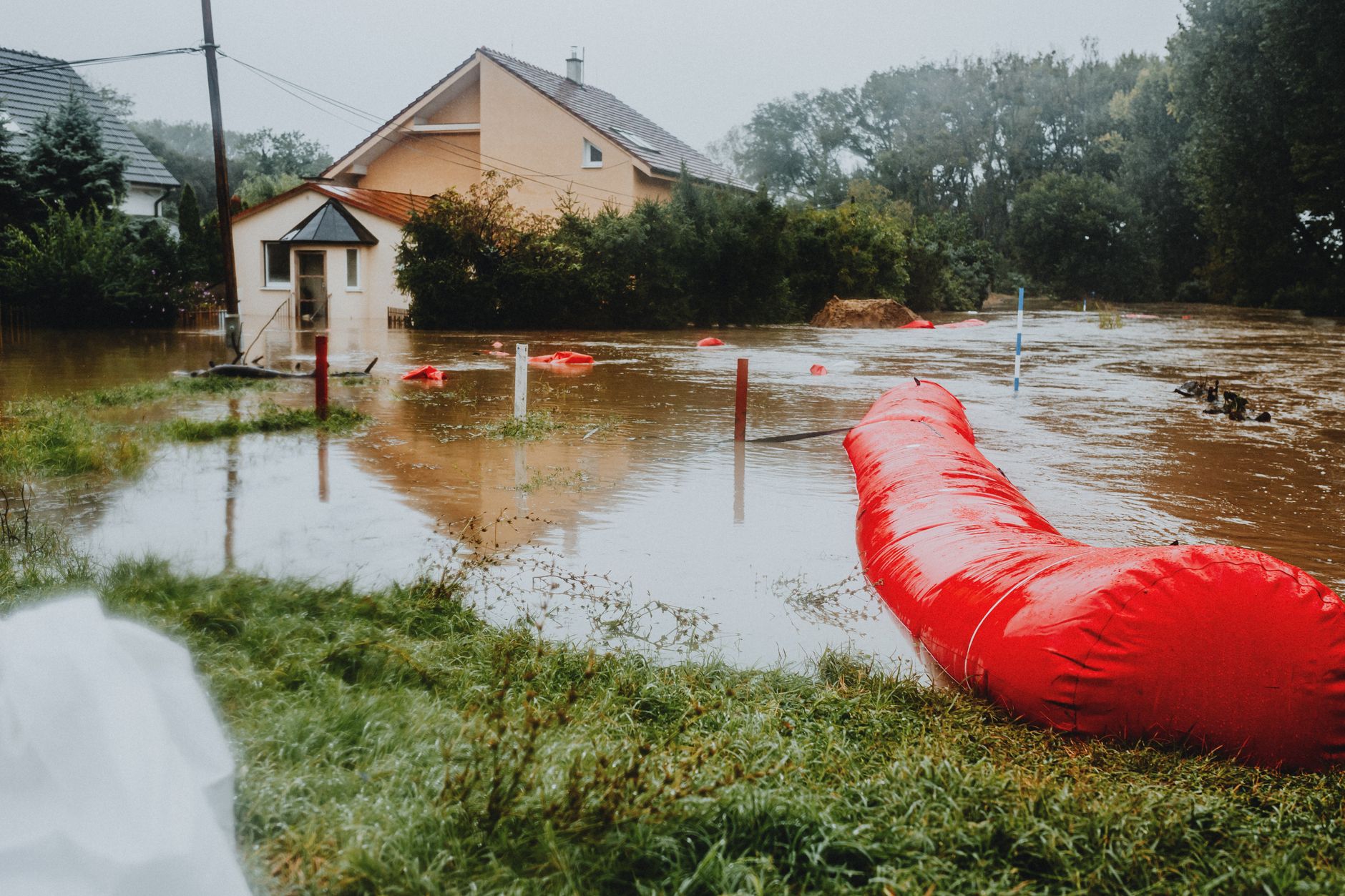
Quick Answer When the tap stops being safe — after floods, hurricanes, earthquakes, or a boil-water advisory — your filter choice depends on how many people you’re supporting and whether the water could carry viruses (common after flooding when sewage mixes in). Best personal/emergency kit filter: LifeStraw Personal — $20, tiny, filter-as-you-sip Best family/group option: Sawyer Squeeze with a gravity bag — filter large batches fast Best if water is flood-contaminated (viruses possible): Grayl Geopress purifier, or a gravity purifier (e.g., MSR Guardian-class, or chemical treatment) Best long-term home prep: a gravity filter (like a Berkey-style or Big Berkey/countertop purifier) that treats large volumes for days The disaster-specific rule: Most portable hiking filters do NOT remove viruses. Floodwater, sewage backup, and contaminated wells create viral risk (norovirus, hepatitis A, rotavirus). For that, you need a purifier (virus-removing), chemical treatment (chlorine/iodine tabs), or boiling. Build your emergency plan around that. ...