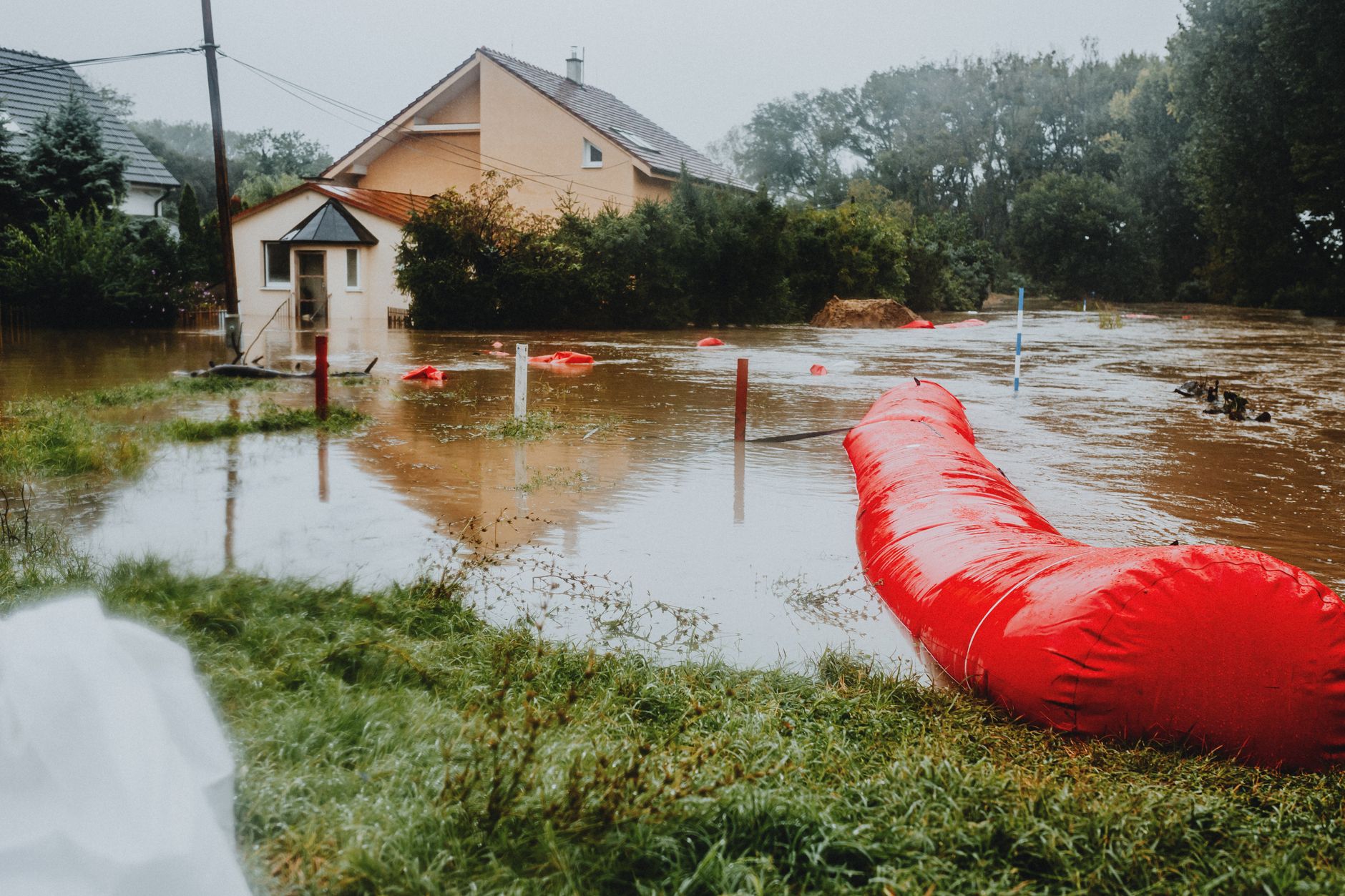
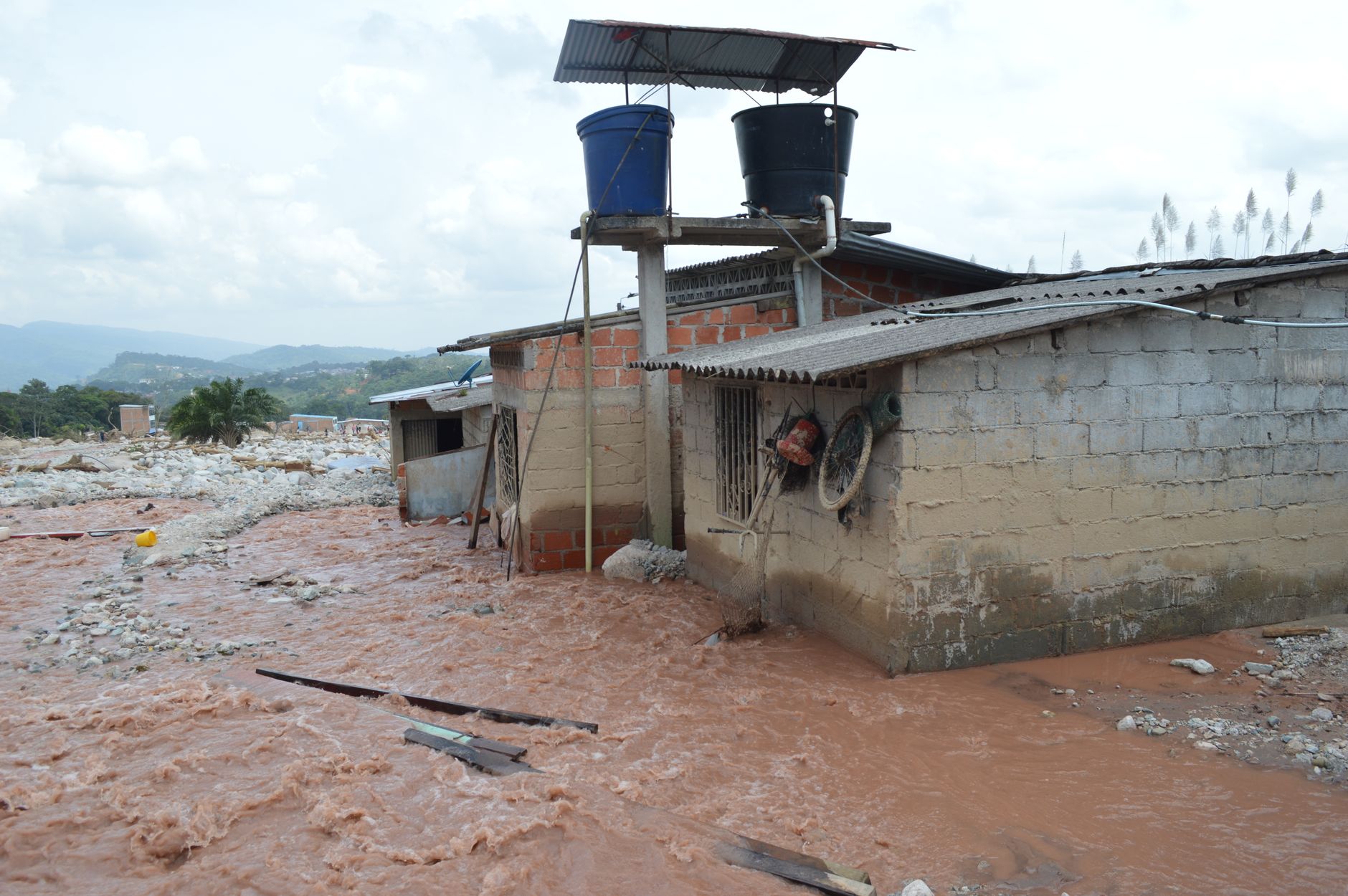
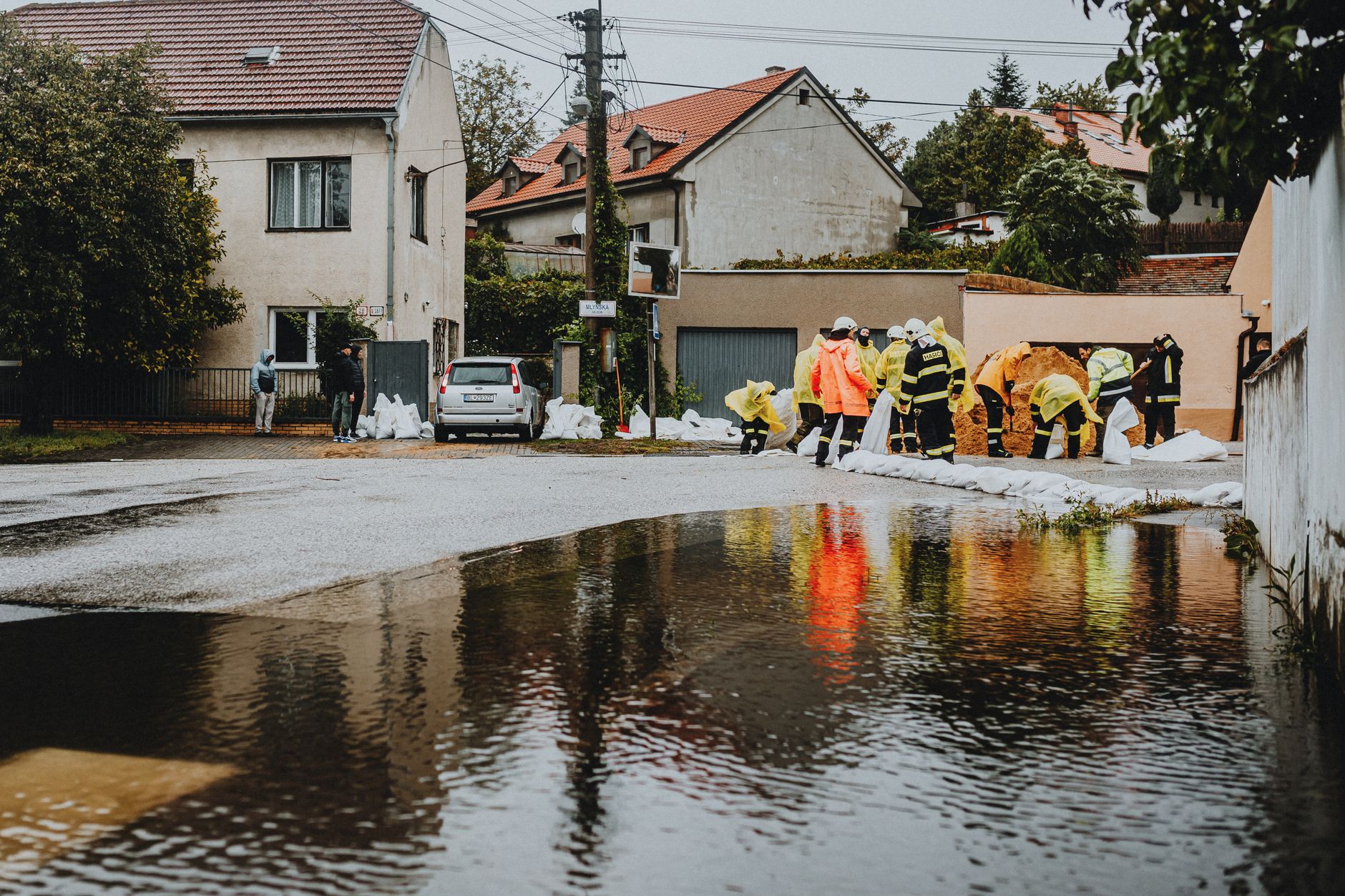
When a hurricane floods municipal plants or an earthquake fractures water mains, safe tap water disappears within hours. The CDC warns that floodwaters often mix with sewage, industrial chemicals, and agricultural runoff. Boiling water requires fuel that may not be available. That’s why a reliable emergency water filter is no longer optional equipment. It is the difference between staying healthy and suffering giardia, cryptosporidium, or worse.
The EPA’s drinking water standards set a target of removing 99.9999% of bacteria and 99.9% of protozoa from untreated water. The agency also recommends storing at least one gallon per person per day for drinking and hygiene. A family of four going two weeks without clean water would need 56 gallons. That’s a heavy load to haul in a disaster, so filtration becomes the lighter, smarter solution. We tested the leading emergency filters against these benchmarks, looking at flow rate, capacity, weight, and real-world reliability.
Our 2026 update pushes beyond the classic straw filter. Manufacturers are now adding carbon elements for chemical taste, while some models like the MSR Guardian meet the WQA’s NSF P231 standard for virus removal. The technology has matured to where a filter that weighs less than a full water bottle can process thousands of gallons. Yet many people still rely on outdated gear that clogs or breaks after one storm. We cut through that noise to show you what works when the lights go out.
Before you filter, know your water. A water testing kit tells you if heavy metals or pesticides are present. A hollow fiber filter alone will not remove dissolved chemicals. For longer shelter-in-place scenarios, consider a countertop system combined with emergency water storage containers. Always have a backup method like chemical tablets. The filters here were chosen for their proven track record in disaster zones and backcountry trips alike.
How Do the Top Options Compare?
| Product | Best For | Filter Life | Weight | Price (2026) |
|---|---|---|---|---|
| LifeStraw Personal | Personal survival | 1,000 gal | 2 oz | Check price |
| Sawyer Squeeze | Versatile backcountry | 100,000 gal | 3 oz | Check price |
| MSR Guardian | Virus protection | 10,000+ liters | 1 lb 2 oz | Check price |
| Platypus GravityWorks | Group camping & shelter | 1,500 gal | 10.5 oz | Check price |
| Big Berkey | Shelter-in-place | 3,000 gal per filter set | 7 lbs | Check price |
Filter life estimates assume typical turbidity and proper maintenance. The Guardian’s viral claim requires EPA registration and does not apply to chemical contaminants. Prices reflect 2026 street prices and may vary.
1. LifeStraw Personal , Best for individual go-bags
The original emergency straw still dominates because it’s simple, affordable, and effective. The LifeStraw Personal weighs only 2 ounces, and it fits in a pocket or glovebox without adding bulk. You drink directly from a stream, puddle, or bottle. The hollow fiber membrane removes 99.9999% of bacteria and 99.9% of protozoan cysts, surpassing EPA requirements for emergency filtration.
Key strengths:
- ✅ No moving parts or pumping required
- ✅ Meets EPA pathogen reduction standards
- ✅ Filters up to 1,000 gallons of turbid water
- ✅ Inexpensive enough to stash multiple units
- ❌ Cannot remove viruses, chemicals, or heavy metals
- ❌ Requires sucking through the filter, which can be fatiguing
- ❌ No storage for filtered water; you drink directly
Who it’s for: Solo travelers, hikers, and anyone building a small personal emergency kit on a tight budget.
2. Sawyer Squeeze , Best versatile lightweight filter
Sawyer’s hollow fiber technology gives you a filter that can process up to 100,000 gallons of water with proper backflushing. That’s a staggering lifespan for a 3-ounce pouch. You fill the included squeeze bag, thread on the filter, and drink. Or attach it inline to a hydration bladder. The Squeeze removes 99.9999% of bacteria and 99.9999% of protozoa, exceeding the log-5 and log-4 requirements the EPA uses for purifiers. It also fits standard water bottles, making it endlessly adaptable.
Key strengths:
- ✅ Extreme filter life with backflushing
- ✅ Versatile connection to bottles and bladders
- ✅ Filters down to 0.1 micron absolute
- ✅ Packs to the size of a flashlight
- ❌ Squeeze bags are prone to bursting; many users upgrade to a Smartwater bottle
- ❌ No virus or chemical removal
- ❌ Flow rate slows as the filter clogs
Who it’s for: Thru-hikers, backpackers, and preppers who want a do-it-all filter that lasts for years.
3. MSR Guardian , Best virus-rated purifier
The Guardian is one of the few portable filters that actually removes viruses without chemicals or electricity. It uses a hollow fiber membrane that physically strains out pathogens down to 0.02 micron, giving it an EPA registration for virus reduction. That matters in post-disaster scenarios where hepatitis A or norovirus could be present. Plus, it self-cleans with each stroke by backflushing 10% of the water through the membrane. You can pump from any source into a bottle or cook pot at a rate of 1.75 liters per minute.
Key strengths:
- ✅ Removes bacteria, protozoa, and viruses per EPA guides
- ✅ Self-cleaning pump action extends filter life
- ✅ Quick-connect fittings and rugged build
- ✅ Pumps 10,000+ liters before cartridge replacement
- ❌ Heavy at over 1 pound and bulky
- ❌ Very expensive compared to non-virus filters
- ❌ Pumping requires some effort
Who it’s for: International travelers, disaster relief workers, and anyone facing suspect water in regions with viral outbreaks.
4. Platypus GravityWorks , Best for groups and basecamp
When you need to supply clean water for multiple people, gravity is the answer. The Platypus GravityWorks works by filling the 4-liter dirty water bag, hanging it, and letting gravity push the water through the hollow fiber cartridge into the clean bag. The system delivers about 1.75 liters per minute with zero pumping. A single cartridge lasts for roughly 1,500 gallons. The GravityWorks removes 99.9999% of bacteria and 99.9% of protozoa, easily meeting drinking water criteria for emergency use. It’s also simple to backflush in the field with a few scoops of clean water.
Key strengths:
- ✅ No manual pumping needed
- ✅ Filters large volumes for families or groups
- ✅ Clean and dirty bags are clearly separated
- ✅ Easy to maintain and backflush
- ❌ Cannot remove viruses or chemicals
- ❌ Requires a hanging point, which may be scarce in open terrain
- ❌ Bags can develop pinhole leaks over time
Who it’s for: Families, basecamp setups, and anyone preparing an emergency kit for a small group.
5. Big Berkey , Best shelter-in-place countertop filter
The Big Berkey is a gravity-fed countertop system that holds 2.25 gallons and can filter up to 3.5 gallons per hour. Its ceramic/carbon elements reduce bacteria, protozoa, and a long list of chemicals, including chlorine and pesticides. The company claims the filters last for 3,000 gallons per set. That makes it a stalwart choice for extended power outages or a home base when you cannot boil water. The stainless steel housing resists dents and doesn’t leach plastic. Because it sits on the counter, no electricity is needed.
Key strengths:
- ✅ Filters both pathogens and many chemical contaminants
- ✅ Large daily output without manual pumping
- ✅ Durable stainless steel construction
- ✅ Each filter set lasts for approximately 3,000 gallons
- ❌ Heavy and not portable at 7 pounds empty
- ❌ Startup cost is higher than straw-style filters
- ❌ No official EPA virus claim; viruses may pass through
Who it’s for: Homeowners and apartment dwellers planning for long-term disruptions where a stationary water filter is feasible.
Frequently Asked Questions
Can emergency water filters remove viruses?
Most emergency filters cannot remove viruses because viruses are too small. However, filters like the MSR Guardian and certain purifiers are rated to remove viruses through hollow fiber or advanced treatment. Always check the label for NSF P231 or EPA virus removal claims.
How long do emergency water filters last?
Filter life varies widely. A straw filter like the LifeStraw lasts about 1,000 gallons. The Sawyer Squeeze can process up to 100,000 gallons if maintained. Gravity filters like the Platypus offer around 1,500 gallons per cartridge. Countertop filters have replaceable elements rated for thousands of gallons.
What is the best emergency water filter for a family of four?
For a family, a gravity-fed system like the Platypus GravityWorks or a countertop Berkey works best. They can filter several gallons per day without pumping. The Platypus delivers 1.75 liters per minute. Pair it with emergency water storage containers for a complete solution.
Can I filter floodwater with these filters?
Yes, but it is not recommended unless no other source exists. Floodwater often contains chemicals and heavy metals that typical mechanical filters cannot remove. Use a carbon post-filter for chemicals. Pre-filter visible debris and, if possible, test the water first with a water testing kit.
How do I clean my emergency water filter in the field?
Most hollow fiber filters can be backflushed with clean water or a syringe to restore flow. Avoid using soap or bleach unless the manufacturer explicitly allows it. For long-term storage, allow the filter to dry completely before sealing to prevent mold.
Are there any emergency water filters that don't require manual pumping?
Yes. Gravity systems use elevation and gravity to do the work. Some newer squeeze bottles and inline setups let you filter water by drinking directly through the filter. Countertop and drip filters also require no manual pumping, only filling the upper chamber.
What Should You Remember?
- Filter type matters: Straws work for individuals, gravity systems for groups, and countertop models for shelter-in-place.
- EPA standards: Look for filters that claim 99.9999% bacteria and 99.9% protozoa removal, the same levels recommended by the EPA for emergency use.
- Capacity vs. portability: Lightweight straws (2 oz) are easy to stash, but a family needs at least 56 gallons per week according to EPA guidelines.
- Virus protection is separate: Only models like the MSR Guardian remove viruses. Most standard filters do not unless combined with chemical or UV treatment.
- Maintenance extends life: Backflushing and drying filters after use can multiply their lifespan, especially the Sawyer Squeeze rated for up to 100,000 gallons.
- Pair with storage: A great filter is useless without a way to hold treated water. Invest in emergency water storage containers for multiple days of supply.
This article is for general information only. Water purification and storage carry health and safety risks — always follow local regulations and manufacturer guidance.