Rainwater Harvesting Guide: Collection, Storage, Filtration, and Legal
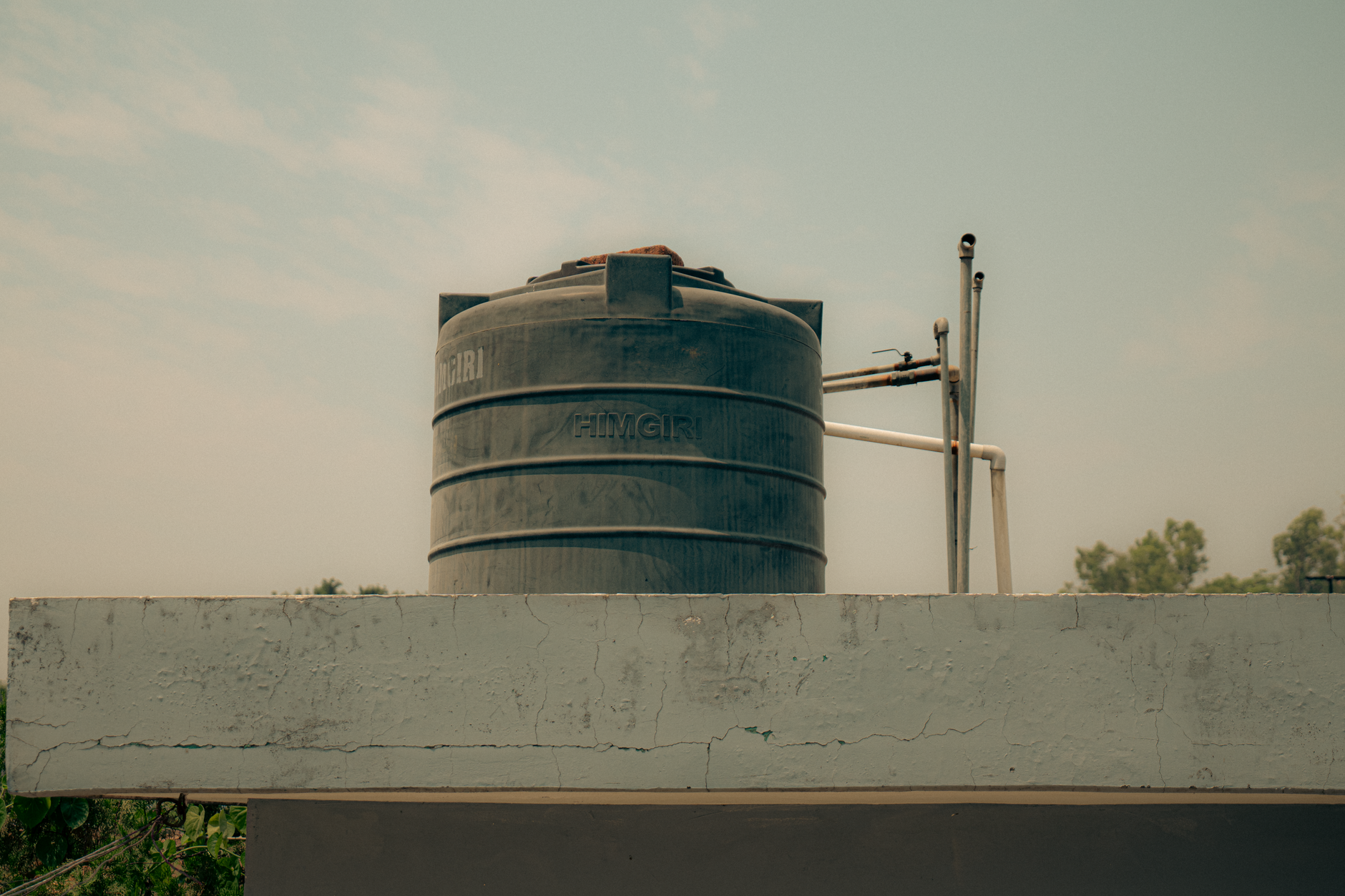
Quick Answer Rainwater harvesting is simply catching rain (usually off your roof via gutters), storing it (in barrels, cisterns, or tanks), and filtering it for use. It’s one of the oldest, cheapest, and most popular ways to supplement your water supply. The quick version: Catch: Direct roof gutters into a downspout adapter with a first-flush diverter Filter: A screen/leaf filter at entry, plus inline filters Store: In a food-grade tank (55-gallon barrels up to multi-thousand-gallon cisterns) Use: Primarily for irrigation, toilet flushing, and garden — and, with the right filtration + disinfection, some people drink it (though that’s regulated and debated) Bottom line: Home rainwater harvesting works best for non-potable uses (watering, flushing, washing) that are legal almost everywhere and save real money. Potable rainwater (drinking) is technically possible but heavily regulated and requires serious filtration + UV treatment. ...