Private wells supply water to over 13 million U.S. households, according to the EPA. For off-grid properties, rural homesteaders, and anyone seeking true water independence, drilling a well is often the best long-term solution. The process involves more than just punching a hole in the ground. You need to understand local geology, navigate permits, choose the right well type, and budget for costs that can range from around $1,500 for a shallow driven well to well over $15,000 for a deep drilled system. Our off-grid water systems guide explores how a well fits into a larger independent water plan.
A well gives you control over your water supply. You avoid monthly utility bills and municipal treatment chemicals. But the upfront work is significant. You will hire a licensed driller, secure permits, and later test the water to make sure it meets CDC safety guidelines. Many people are surprised by the costs, the time required, and the post-drilling steps like shock chlorination and pump setup. For a detailed cost breakdown, see our article on well drilling cost.
This guide walks you through every phase. You will learn about well types, real-world cost figures, permit rules, the drilling sequence, and how to keep your water safe year after year. By the time you finish, you will know what to expect and how to plan a project that delivers clean, reliable water for decades.
| Well Type | Depth Range | Average Cost | Pros | Cons |
|---|---|---|---|---|
| Drilled Well | 100 , 500+ ft | Check price | Deep, protected from surface contamination, high yield | Highest cost, requires professional rig |
| Dug Well | 10 , 30 ft | Check price | Low cost, can be dug by hand or excavator | Very shallow, easily contaminated, unreliable in dry months |
| Driven Well | 20 , 50 ft | Check price | Simple installation in sandy soil, lower equipment cost | Limited depth, only works where water table is high, risk of surface pollutants |
What Are the Different Types of Water Wells?
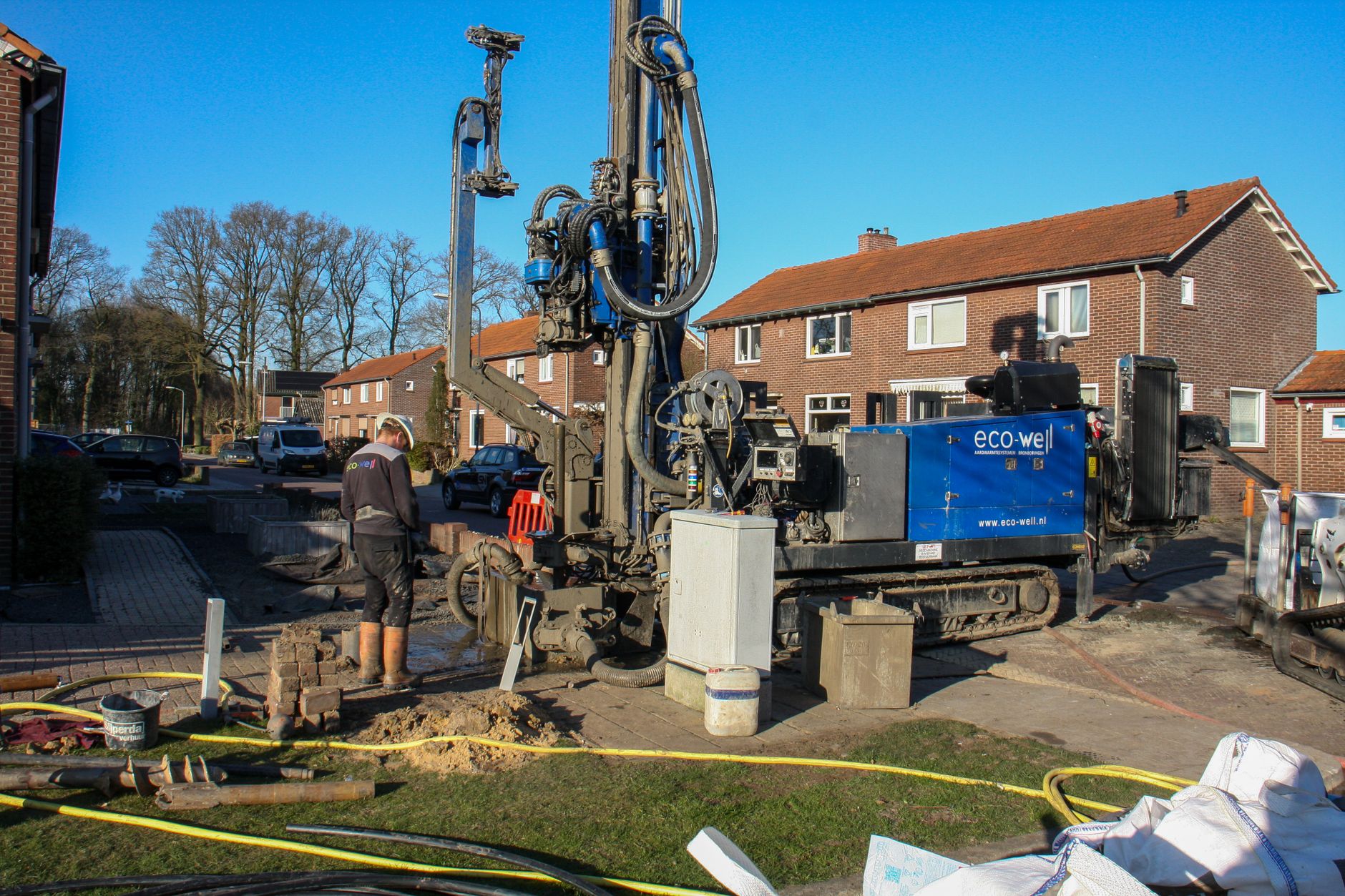
Three main well types exist: drilled, dug, and driven. Drilled wells are the modern standard. A powerful rotary or percussion rig bores a narrow hole 100 to 500 feet deep, often more. The depth reaches aquifers that are naturally protected from surface contamination. Drilled wells can go through hard rock and produce high yields. Dug wells are the old-fashioned kind. A backhoe or shovel excavates a wide hole, typically 10 to 30 feet deep, lined with stone or brick. They tap shallow groundwater and are highly vulnerable to bacteria, agricultural runoff, and drought. Driven wells, sometimes called sand-point wells, are created by pounding a small-diameter pipe into sandy soil. They work only where the water table is high, usually under 50 feet. Each type has a different cost, risk profile, and lifespan. For remote sites, pairing any well with solar water pumps can cut energy costs significantly. The table below summarizes the key differences.
- Drilled wells: deepest, safest, can exceed 1,000 feet, require a drilling rig.
- Dug wells: shallow, wide diameter, easy to contaminate, not recommended for drinking water without extensive treatment.
- Driven wells: affordable in sandy areas, limited depth, may pull in surface pollutants.
How Much Does Well Drilling Cost?
The national average cost to drill a residential well is $5,500, but the range is wide, from $1,500 to over $15,000. The price depends on depth, geology, casing material, pump type, and location. Drillers usually charge by the foot, with rates between $15 and $30 per foot. A shallow 100-foot well in sandy soil might cost $3,000, while a deep 400-foot well through bedrock can push $12,000 before the pump. Casing and grouting seal the well and add $500 to $3,000. The pump system is a separate investment: expect $500 to $2,000 for a submersible pump and another $300 to $1,000 for the pressure tank and controls. Permitting fees vary by state but are often $50 to $500. See our well drilling cost breakdown for a full line-item budget. Note that water testing and potential treatment equipment add ongoing expenses.
- Per-foot drilling: $15 to $30, depending on rock hardness.
- Well pump: $500 to $2,000 for submersible or jet models.
- Casing and grout: $500 to $3,000 based on depth and material.
- Permits: $50 to $500, plus potential water-rights fees.
What Permits and Regulations Do You Need?
Almost every state and county requires a permit before you can drill a well. The rules protect groundwater from overuse and contamination. You will need to submit an application to the local health department or environmental agency, describing the planned location, depth, and intended use. Some areas also require a professional site plan and a fee. After drilling, the driller must file a well completion report that logs the geology, water level, and construction details. This becomes a public record. If you live in a region with strict water rights, you may need to prove the well will not interfere with neighboring wells or surface water. The water rights and permits guide explains what to expect in different states. It is also wise to hire a driller certified by the National Ground Water Association (NGWA). NGWA certification signals that the contractor follows industry standards for well construction and safety.
- Check with your county health department or state water board for permit applications.
- File a well completion log after drilling; most states require it within 30 days.
- Hire an NGWA-certified driller to ensure code compliance.
What Is the Step-by-Step Drilling Process?
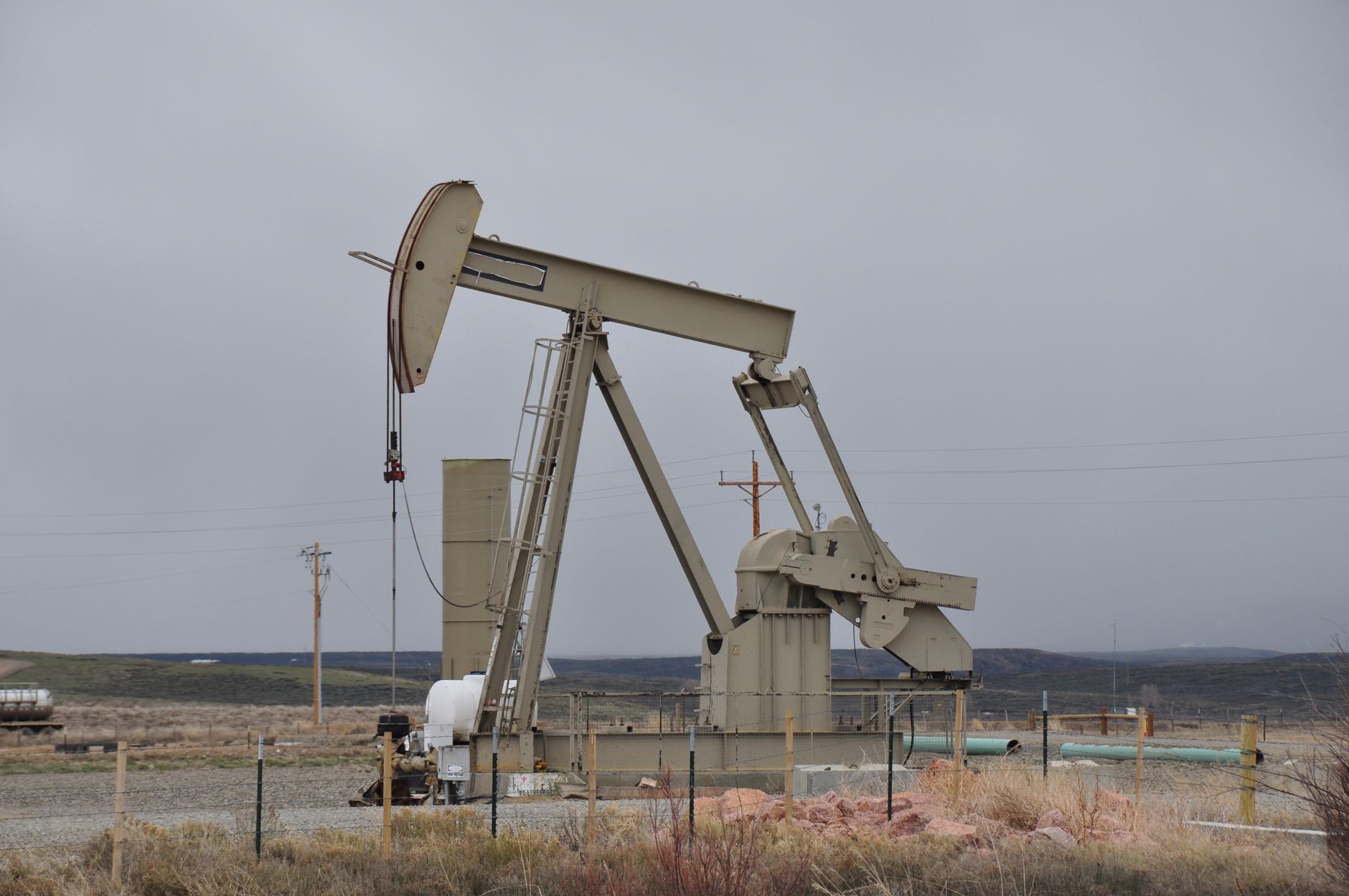
The drilling project begins with a site assessment. A hydrologist or experienced driller evaluates the land, looks for accessible aquifers, and chooses a spot away from septic systems, livestock areas, and chemical storage. The minimum separation from septic tanks and leach fields should be 50 to 100 feet, following local code. Once the permit is issued, the drilling rig arrives. The actual drilling can take one to three days, using rotary or cable tool methods. As the hole deepens, casing is inserted to keep the walls from collapsing and to block surface water from entering. The driller then fills the space between the casing and the borehole with grout. After reaching the required depth and encountering adequate water flow, the well is developed, which means flushing out fine sediment. Next, the pump system is installed and connected to a pressure tank. The final critical step is shock chlorination to disinfect the well, followed by a thorough flushing and water testing.
- Site selection: 50 to 100 feet from contamination sources.
- Drilling: a rig bores the hole while casing stabilizes the walls.
- Development and pump installation: sediment is removed and the pump is set.
- Disinfection and flushing: chlorine treatment followed by testing.
How Do You Test and Maintain Well Water Quality?
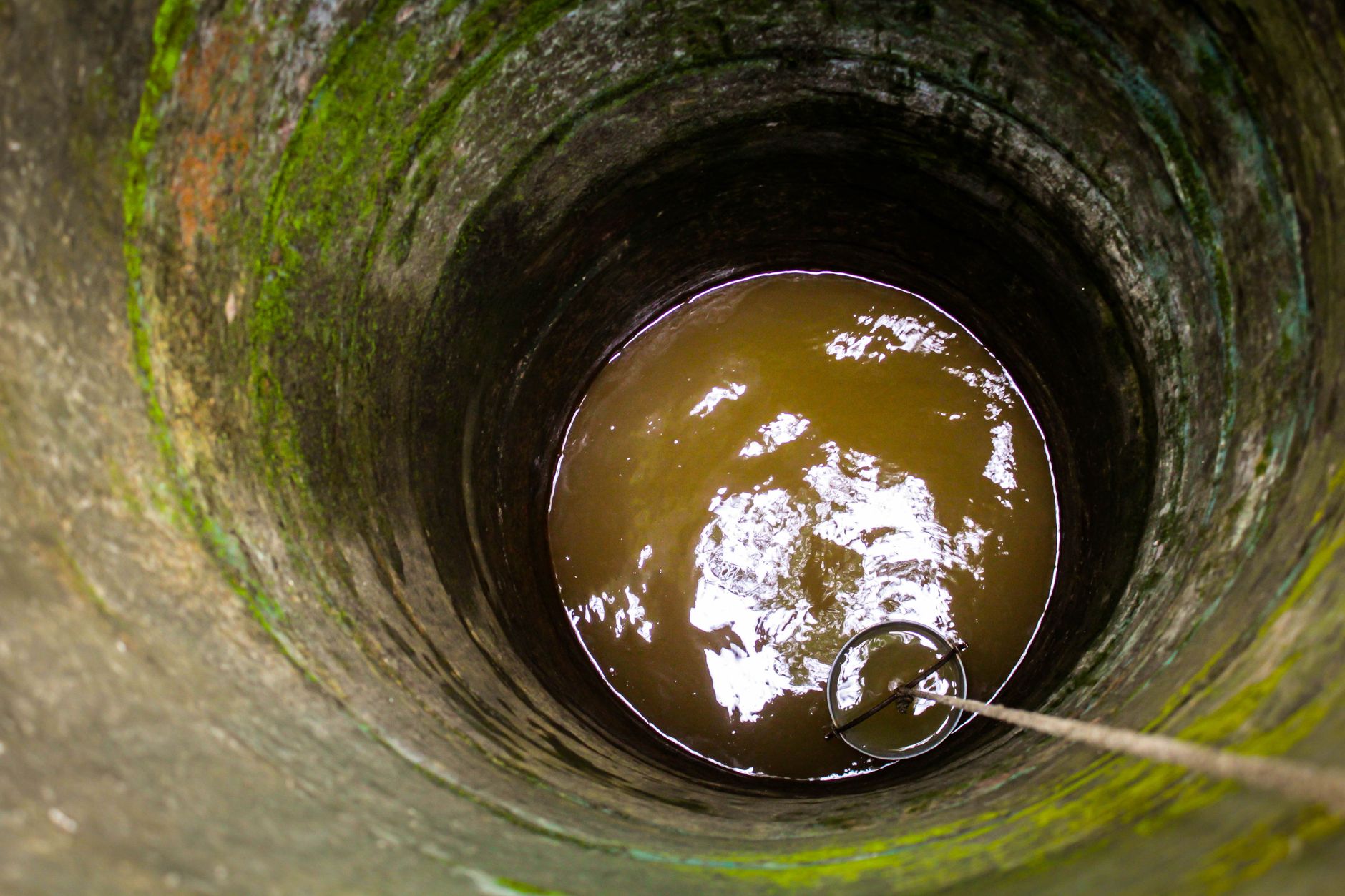
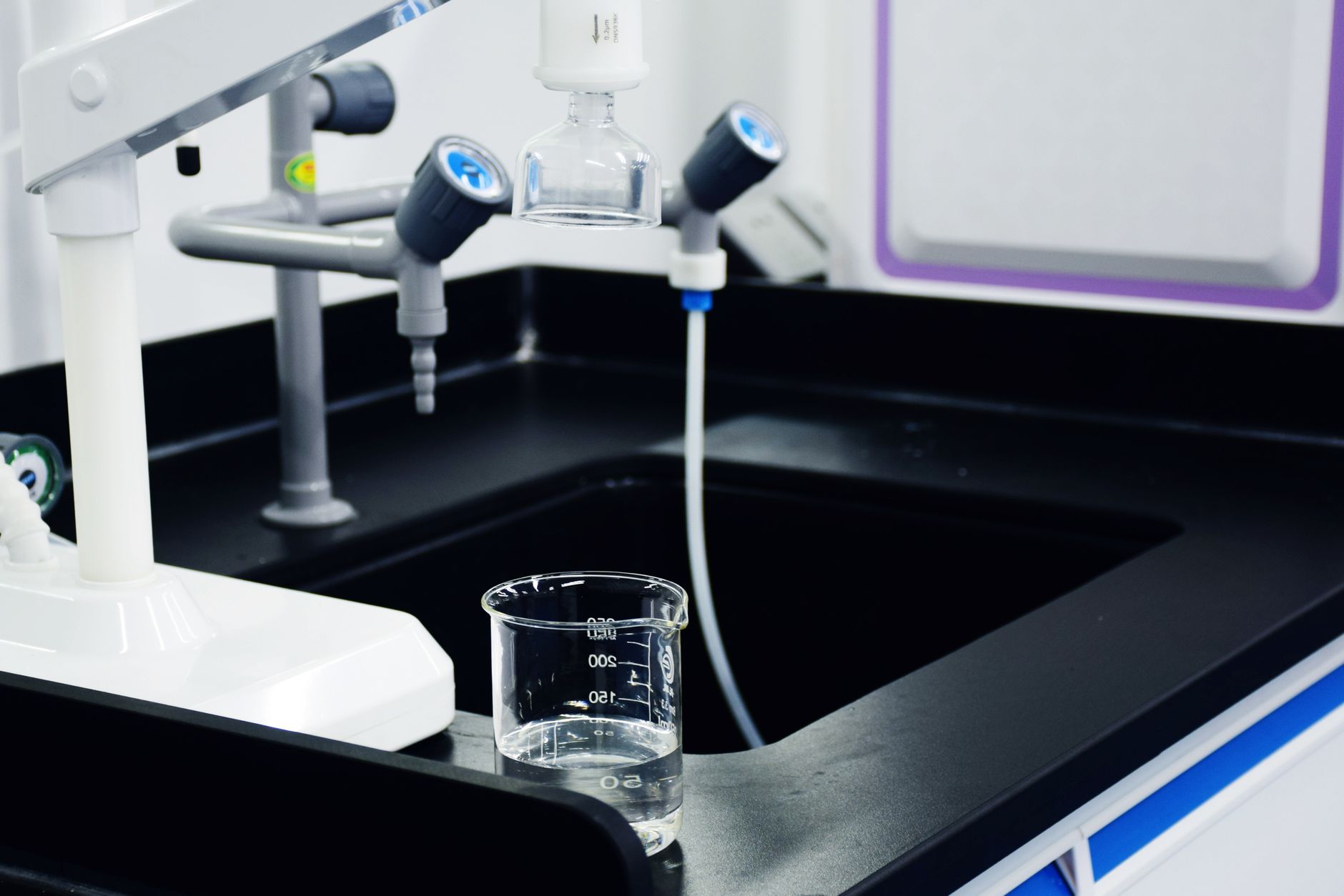
After disinfection, you must test the water before drinking it. The EPA drinking water standards set health-based limits for bacteria, nitrates, arsenic, and many other contaminants. According to the CDC, about 1 in 5 private wells in the U.S. contains contaminants above health benchmarks. Annual testing for total coliform bacteria and nitrates is the minimum recommendation. You should also test for lead, copper, and any pollutants common in your area, such as radon, pesticides, or industrial chemicals. For reliable results, use a certified water testing kit or send samples to a state-certified lab. Our detailed guide on how to test well water quality walks you through the process and tells you exactly what to look for. Ongoing maintenance includes inspecting the well cap and seal, checking for cracks, and making sure surface water drains away from the casing. A cracked well cap invites insects and bacteria. If you store water in a tank, water storage tank maintenance is equally important.
- Test for coliform bacteria and nitrates at least once per year.
- Check for local contaminants like arsenic, radon, or VOCs.
- Inspect the well cap and casing annually for damage or gaps.
What Should You Expect After Drilling?
Once the well is producing clean water, your work shifts to long-term care. You will likely need to install a water treatment system if tests show hardness, iron, or bacteria issues. Whole-house filters, water softeners, or UV disinfection units are common add-ons. Plan for occasional pump replacement: submersible pumps usually last 10 to 15 years. Also, watch for changes in water pressure, color, or taste. These can signal a failing pump, a cracked casing, or a drop in the water table. Seasonal maintenance is important too. In colder climates, insulating the wellhead and buried pipes prevents freezing. A simple pitless adapter below the frost line protects the water from freezing without needing a well house. While a well reduces your reliance on municipal water, it is not a set-and-forget system. Budget a few hundred dollars each year for testing, filter changes, and small repairs. With consistent attention, your well will deliver safe water for decades.
- Budget for annual water testing and possible treatment equipment.
- Monitor water pressure and clarity as early warning signs of trouble.
- Insulate well components in cold regions to avoid freezing and burst pipes.
Frequently Asked Questions
Do I need a permit to drill a well?
In most jurisdictions, yes. Permits ensure proper construction and groundwater protection. Check with local health departments or environmental agencies before starting.
How deep should my well be?
Depth depends on the groundwater table, local geology, and water quality. Residential wells often range from 100 to 500 feet, but deeper wells are sometimes required in dry regions.
How long does well drilling take?
Drilling itself can take one to three days. The full system installation, including casing, pump, and water testing, may take up to a week.
Can I drill a well myself?
While it is possible for shallow driven wells, it is not recommended. Drilling requires heavy equipment and expertise; improper construction risks contamination and legal issues.
How often should I test well water?
The EPA recommends annual testing for coliform bacteria, nitrates, and any local contaminants of concern. Test more frequently if you notice changes in taste, odor, or color.
What is the lifespan of a well?
A properly constructed and maintained well can last 30 to 50 years or more. Regular inspections and prompt repairs help extend its service life.
What Should You Remember?
- Cost: Drilling a residential well ranges from $3,000 to $15,000, with an average of $5,500.
- Types: Drilled wells are the most common and can reach deep aquifers; dug and driven wells are shallower and more susceptible to contamination.
- Permits: Almost all states require permits; check local regulations and hire a licensed driller through the NGWA.
- Water Testing: Test annually for bacteria and nitrates to meet EPA safety standards; use certified kits.
- Process: Expect site assessment, drilling, casing installation, pump setup, and water quality testing after completion.
- Maintenance: Regular well cap inspections and water testing prevent contamination and extend the system lifespan.
This article is for general information only. Water purification and storage carry health and safety risks — always follow local regulations and manufacturer guidance.