Rainwater harvesting is one of the oldest and simplest ways to secure a water supply. It works for off-grid cabins, suburban gardens, or entire homesteads. Instead of relying solely on a well or municipal supply, you can capture free rainwater from your roof. This guide walks you through every step: collection, storage, filtration, and legal considerations. Whether you want to water your vegetable patch or treat water to drinking standards, the principles remain the same.
Many homeowners don’t realize that a 1,000-square-foot roof can yield over 600 gallons of water from just one inch of rainfall. In regions with 30 inches of annual rain, that’s over 18,000 gallons a year. With the right system, you can capture a large portion of that for non-potable and even potable use. This article explains how to design a system that meets your needs, while following health guidelines from the EPA and CDC.
| Method | What It Removes | Stage | Cost Range |
|---|---|---|---|
| Sediment Filter | Sand, silt, rust, and particles larger than 5-20 microns | First barrier (pre-filter) | Check price |
| Activated Carbon | Chlorine, pesticides, VOCs, and taste/odor | Second or third stage | Check price |
| UV Disinfection | 99.99% of bacteria, viruses, and protozoa | Final disinfection | Check price |
| Reverse Osmosis | Dissolved salts, heavy metals, and nearly all contaminants | Whole-system polish | Check price |
Why Should You Harvest Rainwater?
Rainwater harvesting gives you control over your own water. You are not at the mercy of municipal restrictions or a well that might run dry. For off-grid living, it can be the primary source that makes a homestead viable. Even in urban areas, a simple system can cut your water bill significantly. The EPA reports that the average American household uses over 300 gallons of water per day, and outdoor watering accounts for nearly 30% of that total. By collecting rainwater, you can meet all your irrigation needs for free. A single inch of rain on a 1,000-square-foot roof yields roughly 623 gallons of water. In a climate that receives 30 inches of precipitation per year, that roof could theoretically provide around 18,690 gallons annually. Capturing even half of that covers the outdoor water needs of a large garden. Beyond the dollars you save, harvesting rain reduces stormwater runoff, easing the burden on municipal drainage systems and preventing erosion on your property. The water itself is soft, free of the minerals found in well water, and plants thrive on it. In an emergency, stored rainwater can serve as a backup supply when other sources fail.
- Reduce water bills and consumption
- Lower your environmental footprint
- Provide soft, chemical-free water for plants
- Create an emergency supply
- Minimize stormwater runoff
How Do You Collect Rainwater from Your Roof?
Collecting rainwater starts with your roof, the largest catchment surface you have. The water slides off the shingles or metal into gutters, then travels through downspouts. Before it reaches your storage tank, you need a first-flush diverter to discard the initial dirty runoff that carries dust, bird droppings, and pollen. A simple rain barrel setup can capture water for a garden, while a large-scale built collection system might involve multiple downspouts converging into a cistern. Roof material matters. Metal, tile, and slate are excellent because they shed water cleanly. Asphalt shingles can release small amounts of aggregate and chemicals, making the water less suitable for potable use unless thoroughly filtered. You also need sturdy gutters and leaf guards to keep debris out. Install a downspout filter to catch larger debris before the tank. Slope the gutters correctly so water doesn’t pool and breed mosquitoes. A well-designed collection setup will capture 80-90% of the rain that falls on the roof. The remaining water stays behind due to evaporation or splashing.
- Choose a roof material that won’t contaminate water
- Install smooth gutters with leaf protection
- Use a first-flush diverter to discard the dirtiest water
- Add downspout filters before the inlet
- Slope gutters to prevent standing water
What Are the Best Storage Options for Rainwater?

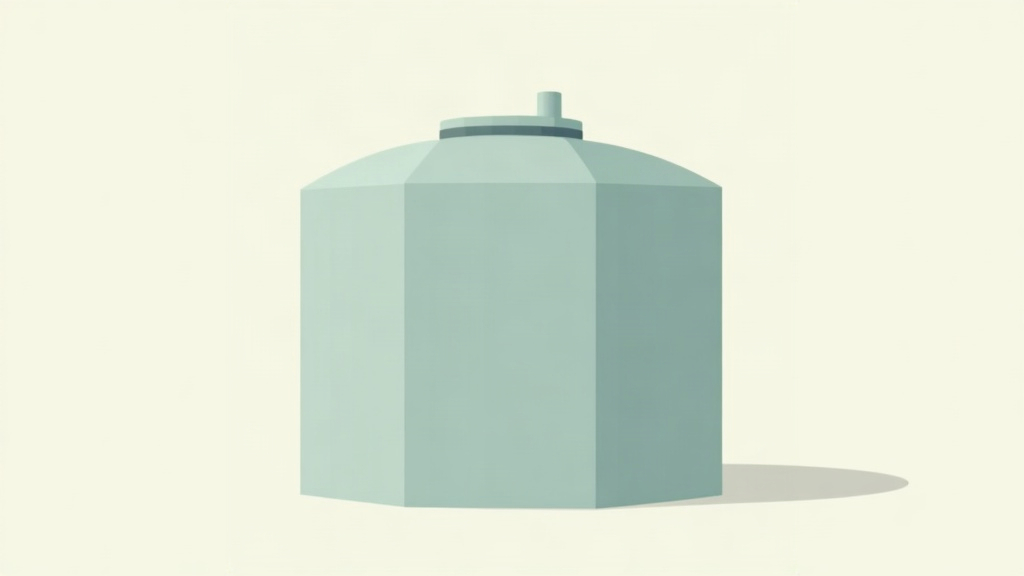
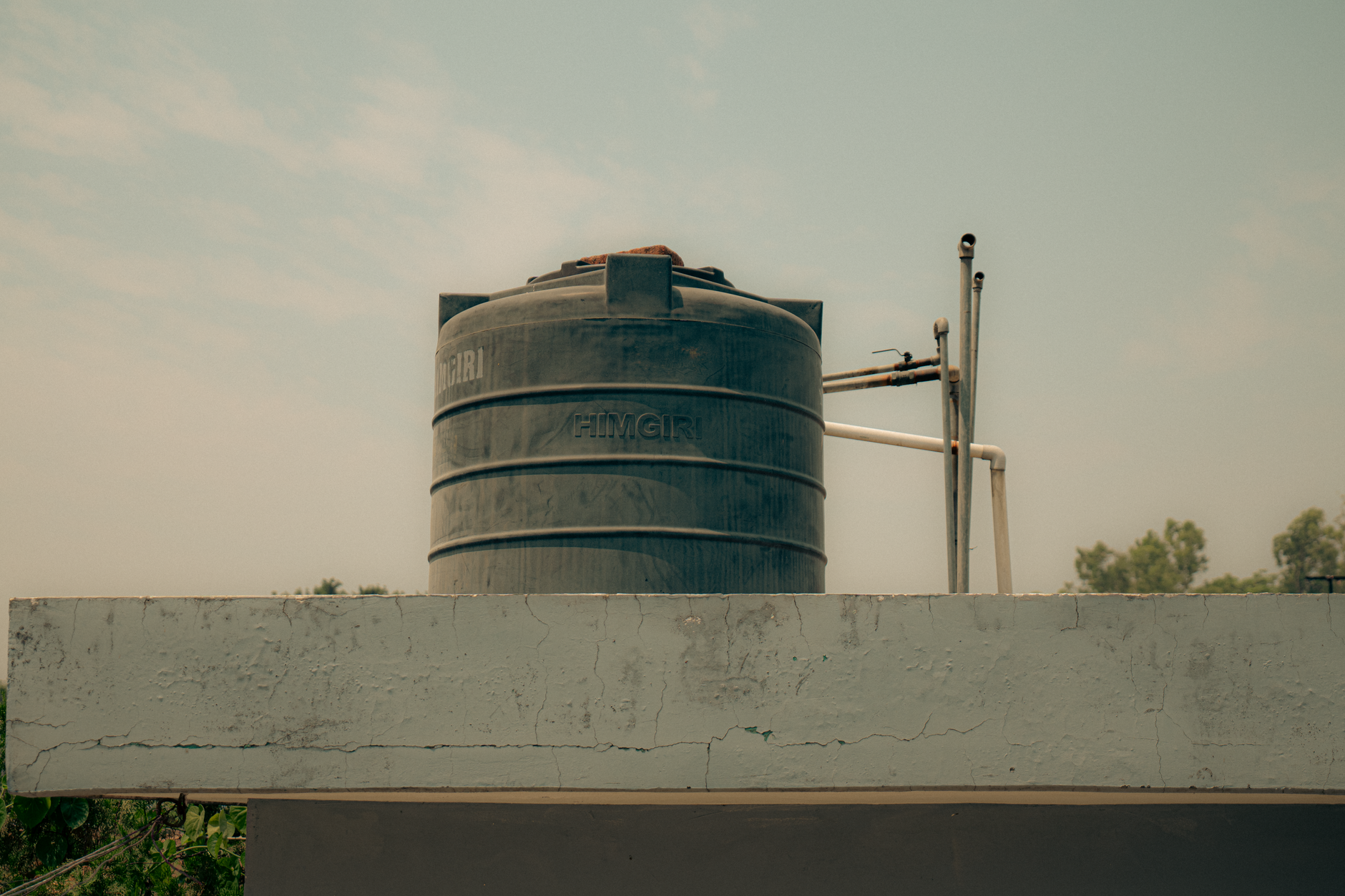
Once you’ve collected the water, you need a safe place to keep it. The most common storage option is an above-ground polyethylene tank, which is affordable, lightweight, and resistant to rust. Concrete and galvanized steel tanks handle large capacities well but cost more. Underground cisterns keep water cool and save space, though they require excavation and a pump. The size you choose depends on your roof area, local rainfall, and intended use. A single 55-gallon rain barrel is fine for a small patio garden, but a family aiming for partial household use will need at least 1,500 to 5,000 gallons. To prevent algae growth, use opaque tanks and keep them out of direct sunlight. Proper tank maintenance is essential: clean the tank interior annually, check for cracks, and make sure screens and vents are intact. You also want a tight-fitting lid to keep out insects, rodents, and children. For potable purposes, the tank must be food-grade and certified for drinking water storage. Many off-the-shelf tanks meet those standards. Include an overflow pipe and a way to direct excess water away from your foundation. When setting up, place the tank on a level, compacted base. A full 2,500-gallon tank weighs over 20,000 pounds, an uneven surface can cause the tank to crack or fail.
- Use food-grade tanks rated for potable water
- Opt for opaque materials to block sunlight
- Size your tank based on roof area and rainfall data
- Install a secure lid to keep out contaminants
- Plan for overflow and foundation support
How Do You Filter and Purify Harvested Rainwater?
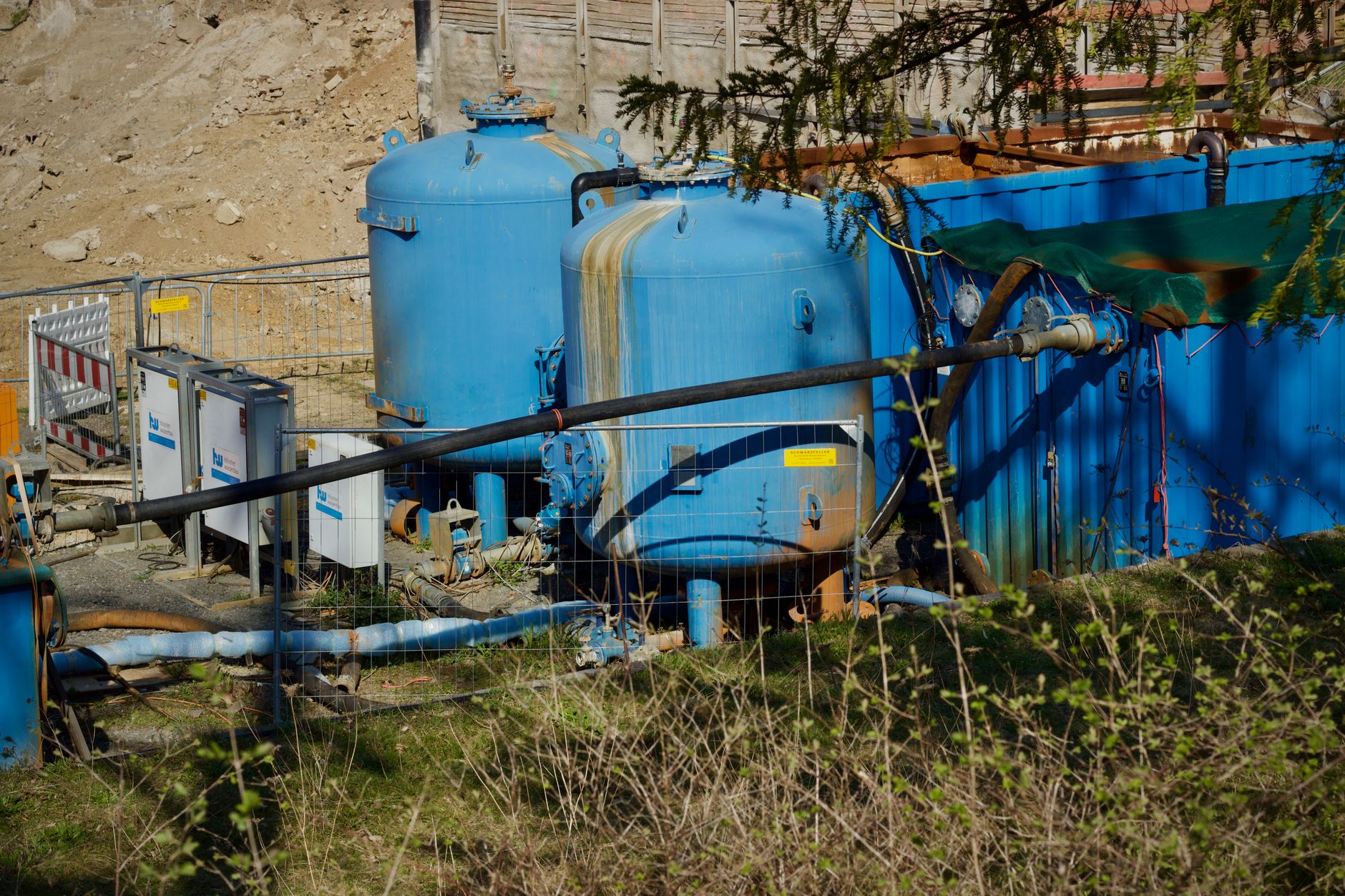
Rainwater is naturally soft and low in minerals, but it’s not automatically safe to drink. It can contain bird droppings, dust, pollen, and airborne pollutants. To make it potable, you need a multi-barrier approach: sediment filtration, disinfection, and sometimes advanced treatment. The first stage removes large particles with a 20-micron or 5-micron sediment filter. Then an activated carbon filter reduces chlorine byproducts, organic compounds, and improves taste. For biological safety, you must disinfect the water. The EPA’s drinking water standards require that water be free of coliform bacteria and harmful pathogens. Methods like ultraviolet (UV) light or chlorination are the most common for small systems. UV light kills 99.99% of bacteria and viruses without adding chemicals, but the water must be clear first. Chlorination is effective but requires monitoring of residual chlorine levels. For the highest purity, reverse osmosis (RO) systems remove dissolved solids, metals, and even viruses, though they waste some water and use a lot of energy. Many off-grid users combine a sediment filter, carbon block, UV, and a final 1-micron absolute filter. Look for equipment certified by the Water Quality Association to ensure it meets NSF/ANSI standards. Following the recommended water purification methods and regular testing ensures your harvested rainwater meets the same quality as bottled water. The CDC recommends testing for total coliform, pH, and turbidity at least once a year. If you plan to use the water for whole-house purposes, a whole-house filtration system with integrated sediment and carbon block plus UV can handle the flow rate. And test the water regularly with a certified water testing kit.
- Use sediment, carbon, and UV as a minimum standard
- Disinfect with UV or chlorine to kill pathogens
- Choose equipment certified to NSF/ANSI standards
- Test for total coliform, pH, and turbidity annually
- Consider reverse osmosis for the highest purity
Is Rainwater Harvesting Legal Where You Live?
Rainwater harvesting is legal in every U.S. state today, but the rules vary widely. In the arid West, water rights based on the prior appropriation doctrine sometimes make you think twice before catching what falls on your roof. Colorado, for example, once prohibited most residential harvesting, but now allows up to 110 gallons of storage in two rain barrels. Texas and Nevada have passed laws encouraging collection and offer tax exemptions. Some states, like Washington and Utah, have water rights that permit harvesting with a permit. However, states east of the Mississippi generally have few restrictions because rain is plentiful and water rights follow riparian principles. Before you install a system, check your local building codes, health department regulations, and homeowners’ association rules. A comprehensive guide on water rights and permits walks you through each state’s specifics. The bottom line: even where it’s restricted, small-scale collection for non-potable use is almost always allowed. For larger systems or potable use, you may need a permit and the system must meet plumbing codes. Never assume it’s a free-for-all; a quick call to your local water resource department can save you from fines.
- Verify state and local laws before building
- Check HOA rules if applicable
- Obtain permits for large or potable systems
- Look for rebates or tax credits
- Understand water rights in the West
Frequently Asked Questions
Can I drink rainwater straight from the roof?
No. Rainwater can contain bird droppings, dust, and airborne contaminants. It should be filtered, disinfected, and tested before drinking. A multi-barrier system with sediment removal, carbon filtration, and UV or chlorine treatment is recommended.
How often should I clean my rainwater tank?
Inspect and clean your tank at least once a year. Remove any sediment buildup, check for cracks, and ensure screens and vents are intact. More frequent cleaning may be needed in areas with heavy pollen or debris.
Do I need a pump to use stored rainwater?
It depends on your setup. If the tank is elevated or you only need low pressure for a garden hose, gravity may suffice. For indoor use or sprinkler systems, an electric or solar-powered pump is usually necessary.
What is a first-flush diverter and do I need one?
A first-flush diverter automatically discards the initial, dirtiest runoff from a roof. It prevents dust, leaves, and bird feces from entering your tank. It’s a highly recommended component for any collection system, especially if you plan to treat the water.
Is rainwater safe for vegetable gardens?
Yes, generally. Rainwater is free of chlorine and hard minerals, making it excellent for plants. Use a first-flush diverter and keep the tank clean. For leafy greens eaten raw, avoid overhead watering or treat the water to minimize pathogen risk.
How much does a rainwater harvesting system cost?
A basic single rain barrel setup can cost under $100. A whole-house system with a large cistern, pump, and full filtration typically ranges from $2,000 to $10,000 installed. Maintenance costs run about $50 to $150 per year.
What Should You Remember?
- Roof size determines your collection potential: a 1,000 sq ft roof yields over 600 gallons per inch of rain.
- Always use a first-flush diverter to discard the dirtiest water before storage.
- Choose food-grade, opaque tanks to inhibit algae and keep water potable.
- A multi-barrier filtration system (sediment, carbon, UV) is essential to meet EPA drinking water standards.
- Check local laws before building; most states allow rainwater harvesting but may restrict potable use.
- Annual tank maintenance and water testing prevent costly contaminants and system failures.
This article is for general information only. Water purification and storage carry health and safety risks — always follow local regulations and manufacturer guidance.