Water Testing Guide: Home Kits, Lab Tests, and What to Test For

Water Testing Guide: Home Kits, Lab Tests, and What to Test For

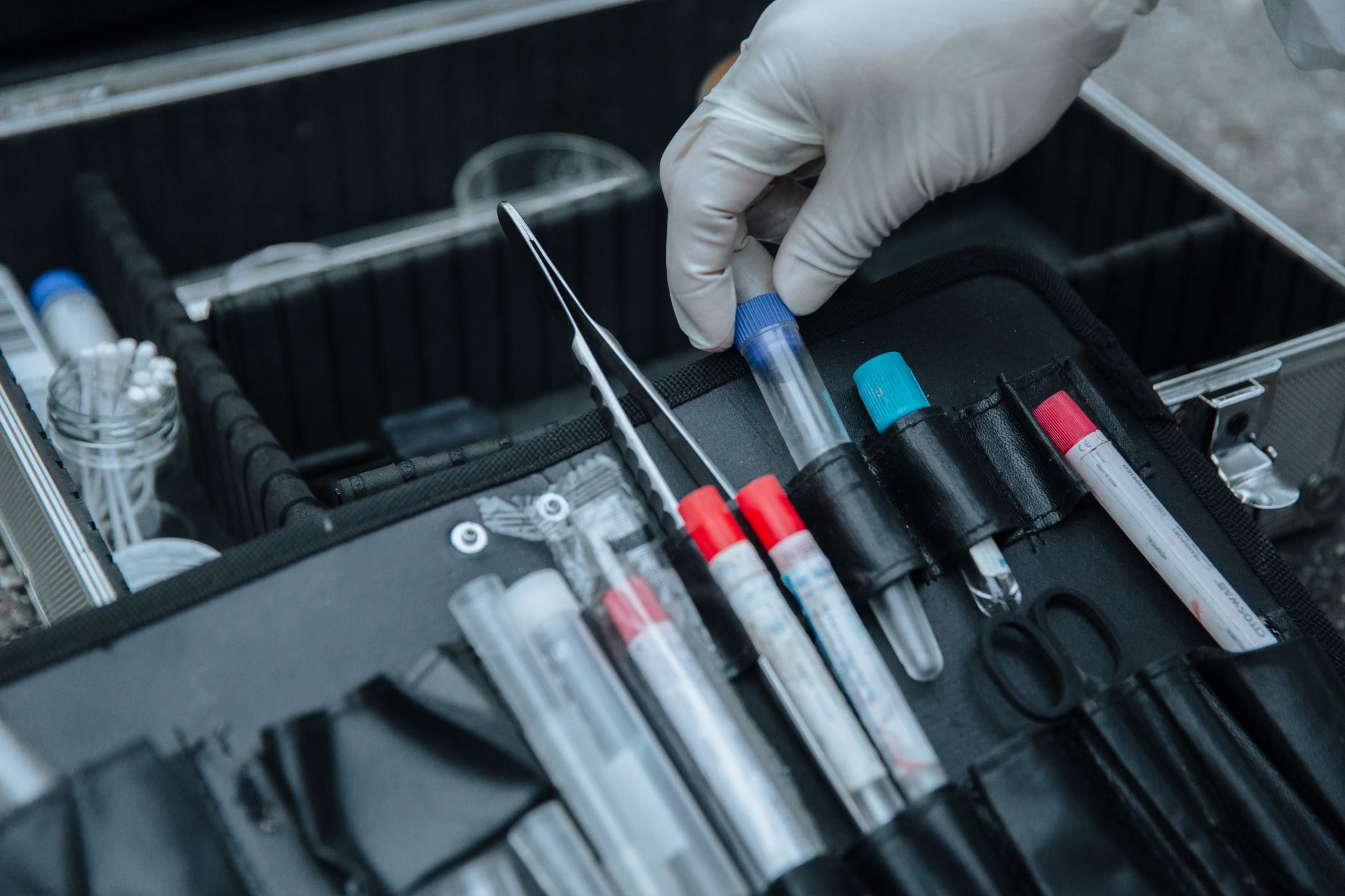
Quick Answer: Whether you're on a private well or an off-grid rainwater system, regular water testing is non-negotiable. Home test kits give fast results for common problems like pH and hardness, while certified lab tests uncover bacteria, heavy metals, pesticides, and volatile organics. The EPA recommends annual checks for coliform bacteria and nitrates. Match your test to your water source and local risks. Living off-grid often means relying on a private well, a spring, or a rainwater collection system for your daily drinking water. Unlike municipal supplies monitored daily by treatment plants, these self-managed sources have no safety net. The responsibility to check for contaminants falls entirely on you. According to the CDC, about 15 million U.S. households use private wells that are not covered by the Safe Drinking Water Act. Bacteria, heavy metals, and agricultural runoff can seep into groundwater without any visible sign, making water testing the first and most critical step in off-grid water systems and any self-sufficient lifestyle. ...
August 11, 2026 · 11 min · Jarrod Gravison
Water Purification Methods Ranked: Which One Should You Use?

Water Purification Methods Ranked: Which One Should You Use?

Quick Answer: For daily off-grid drinking water, a high-quality physical filter ranks first because it balances pathogen removal, flow rate, and no chemical taste. In emergencies where fuel is available, boiling is the gold standard. UV works well if your water is clear. Chemical treatments (iodine/chlorine) are a lightweight backup. Distillation offers ultimate purity but is slow and energy-intensive. Always start with the [best water testing kits](/articles/best-water-testing-kits/) to know exactly what you're treating. ...

August 11, 2026 · 10 min · Jarrod Gravison
How to Read Your Water Quality Report: Understanding Contaminants, MCLs, and What They Mean

How to Read Your Water Quality Report: Understanding Contaminants, MCLs, and What They Mean

Quick Answer: A water quality report, or Consumer Confidence Report, lists detected contaminants in your drinking water and compares their levels to legal standards called Maximum Contaminant Levels (MCLs). Learning to read these figures helps you spot violations, understand health risks, and determine whether additional filtration or treatment is needed, especially important for private well and off-grid systems. Every year, millions of Americans receive a water quality report from their community water system. This document, also called a Consumer Confidence Report (CCR), tells you exactly what is in your drinking water. For off-grid homeowners and those who rely on private wells, no such report arrives automatically. Understanding what these reports contain and how to interpret the numbers puts you in control of your water safety. Whether you draw from a municipal supply or a personal well, learning to read a water quality report is a foundational skill for protecting your family’s health. ...

August 11, 2026 · 11 min · Jarrod Gravison
Best Water Testing Kits (2026): Bacteria, Lead, Pesticides

Best Water Testing Kits (2026): Bacteria, Lead, Pesticides

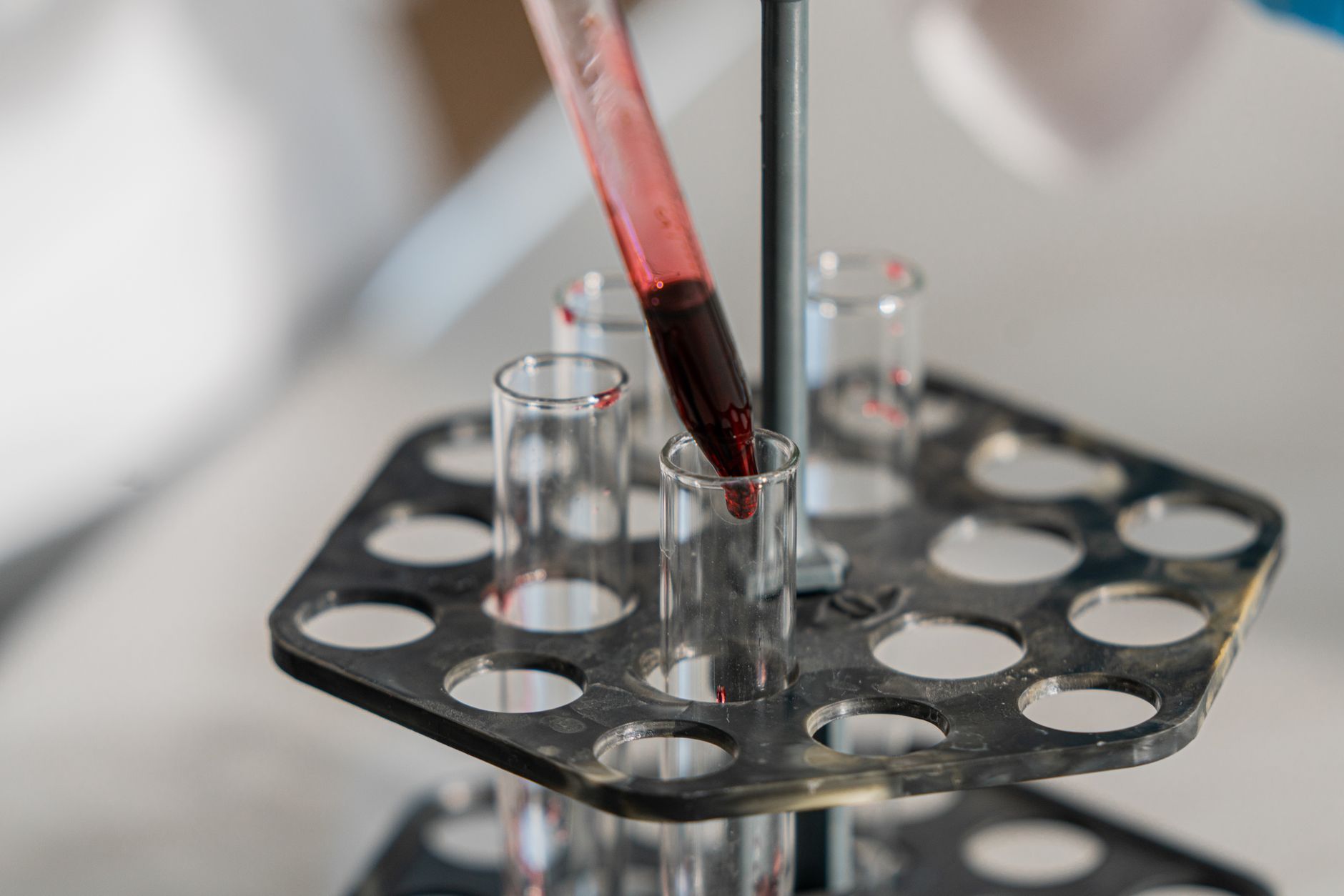
Quick Answer: For well and off-grid systems, choose a comprehensive lab kit like Tap Score or Safe Home that screens for 50+ contaminants including bacteria, lead, and pesticides. Budget-conscious users can opt for targeted bacteria tests or lead-only strips. Always follow [EPA guidelines](https://www.epa.gov/ground-water-and-drinking-water) for testing frequency, annually for bacteria, nitrates, and pH. Water quality is not a luxury, it’s survival. For off-grid homesteads, rural cabins, and anyone on a private well, the responsibility of testing falls squarely on you. Municipal water is screened daily, but a private well gets zero mandatory checks. That’s why the CDC urges annual bacteria testing on all private wells. With over 15 million U.S. households depending on groundwater, ignoring this task invites serious health risks from coliform bacteria, lead, pesticides, and other invisible threats. Start by understanding the basics of water testing before you buy a kit. ...

August 11, 2026 · 14 min · Jarrod Gravison
Best Portable Water Filters (2026): LifeStraw, Sawyer, Katadyn, and Grayl Compared

Best Portable Water Filters (2026): LifeStraw, Sawyer, Katadyn, and Grayl Compared

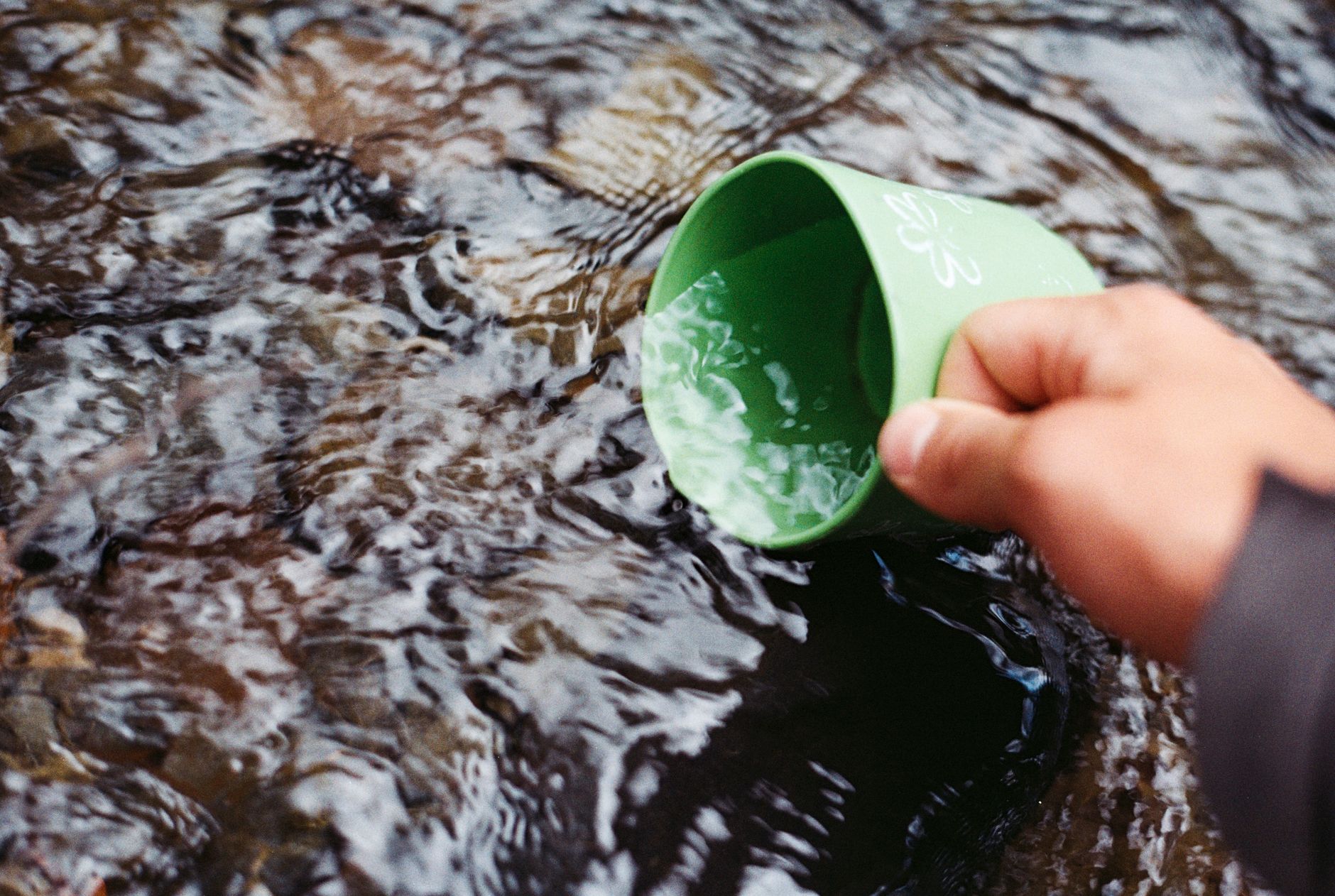
Quick Answer: The best portable water filter depends on your needs. For most hikers, the Sawyer Squeeze offers unmatched value with a 100,000-gallon lifespan and 0.1-micron pore size. Ultralight backpackers prefer the Katadyn BeFree’s fast flow, while international travelers need the Grayl Geopress’s ability to remove viruses and chemicals. The budget-friendly LifeStraw is ideal for emergency kits. When you’re miles from the nearest clean tap, the water you find in streams and lakes isn’t as pristine as it looks. The EPA’s drinking water standards set maximum contaminant levels for over 90 substances, and untreated wilderness water can harbor bacteria, protozoa, and sediment that make you sick fast. A portable water filter is your first line of defense. In 2026, the market offers lighter, faster, and more versatile options than ever. We compared the four most popular portable filters, LifeStraw, Sawyer Squeeze, Katadyn BeFree, and Grayl Geopress, across real-world use cases. Before you buy, test your water if you’re pulling from a well or storage tank to understand what you’re really filtering. ...

August 11, 2026 · 10 min · Jarrod Gravison
Best Emergency Water Filters for Natural Disasters (2026)

Best Emergency Water Filters for Natural Disasters (2026)

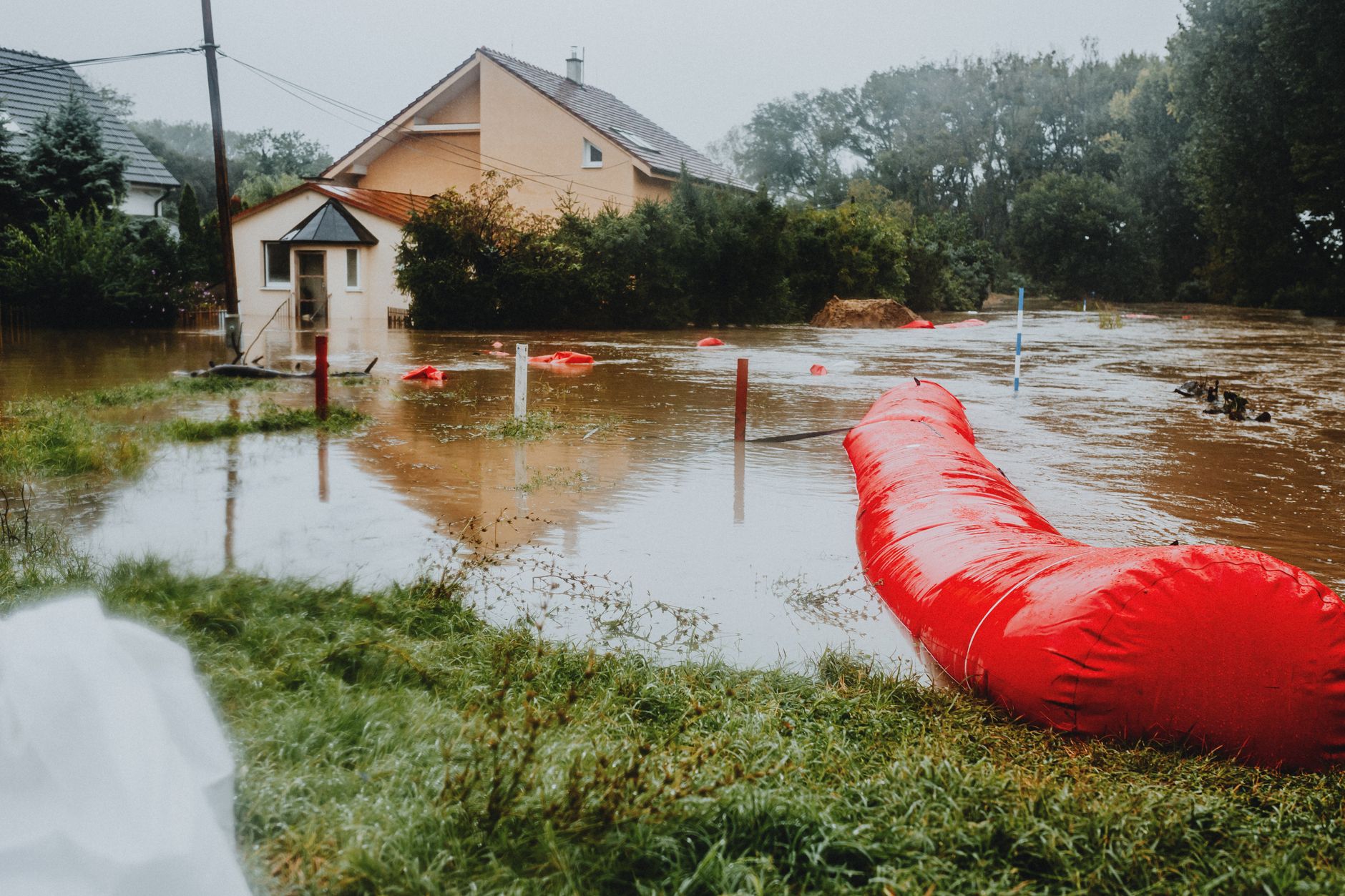
Quick Answer: The best emergency water filter for natural disasters depends on your group size and situation. The LifeStraw Personal excels for individual go-bags, removing 99.9999% of bacteria in a 2 oz package. Families get better output from gravity systems like the Platypus GravityWorks. For shelter-in-place, the Big Berkey provides long-term capacity without electricity. All recommended models meet EPA pathogen reduction standards. When a hurricane floods municipal plants or an earthquake fractures water mains, safe tap water disappears within hours. The CDC warns that floodwaters often mix with sewage, industrial chemicals, and agricultural runoff. Boiling water requires fuel that may not be available. That’s why a reliable emergency water filter is no longer optional equipment. It is the difference between staying healthy and suffering giardia, cryptosporidium, or worse. ...

August 11, 2026 · 9 min · Jarrod Gravison
Best Whole House Water Filters 2026: Point-of-Entry Systems Compared

Best Whole House Water Filters 2026: Point-of-Entry Systems Compared

Quick Answer: The best whole house water filter for 2026 depends on your water source and contaminants. For well water with sediment and iron, the SpringWell CF1 excels. For city water chlorine removal, the Aquasana Rhino is top-rated. Budget-minded homeowners will find the iSpring WGB32B effective. Always test your water first to match the right filtration technology. The water coming into your home carries more than just H2O. The EPA’s drinking water standards regulate over 90 contaminants, but aging infrastructure and private wells often let sediment, chlorine, lead, and bacteria slip through. A point-of-entry whole house filter protects every tap, appliance, and shower. By 2026, contamination events, PFAS concerns, and more frequent boil-water advisories have made whole-house systems a necessity, not a luxury. Knowing what’s in your water is the first step. Testing your water reveals whether you need simple sediment filtration or multi-stage treatment for heavy metals. ...

August 11, 2026 · 10 min · Jarrod Gravison