Water quality is not a luxury, it’s survival. For off-grid homesteads, rural cabins, and anyone on a private well, the responsibility of testing falls squarely on you. Municipal water is screened daily, but a private well gets zero mandatory checks. That’s why the CDC urges annual bacteria testing on all private wells. With over 15 million U.S. households depending on groundwater, ignoring this task invites serious health risks from coliform bacteria, lead, pesticides, and other invisible threats. Start by understanding the basics of water testing before you buy a kit.
But not all test kits are equal. Some detect a dozen heavy metals in minutes, while lab-based kits uncover 200+ contaminants with research-grade precision. The price chasm is wide, from $15 for simple strips to over $300 for a comprehensive, certified panel. Knowing what to test for matters most. If your property sits near farmland, pesticide screening is non-negotiable. Old plumbing? Lead and copper top the list. The EPA’s drinking water standards set maximum contaminant levels for over 90 substances, but you’ll need the right kit to see if your water exceeds them. For well owners, the how to test well water quality guide is essential reading.
In 2026, we’re seeing more user-friendly kits with pre-paid mailers and digital results. That’s a leap from the murky vials of a decade ago. Yet, accuracy still hinges on proper sampling. Even a premium lab test can be useless if you collect water from a garden hose. For this comparison, we prioritized kits with clear instructions, fast turnaround, and independent certification by the WQA. We also considered value: a $150 comprehensive kit saves you from buying four separate $50 tests. Before you invest in a whole-house filter system, you need to know exactly what’s in your water. Otherwise, you’re buying expensive equipment blind.
The table below compares the best test kits for bacteria, lead, pesticides, and full panels. Afterward, we’ll break down each kit’s strengths, who it’s for, and where it falls short. If you’re on rainwater collection, check the rainwater harvesting guide for specific testing needs. For off-grid homesteads, pairing a solid test with emergency water filters creates a complete safety net. No single kit does it all, but by the end, you’ll know which one matches your water source and risk profile.
How Do the Top Options Compare?
| Kit | Best For | Test Method | Contaminants Tested | Price | Shelf Life |
|---|---|---|---|---|---|
| Tap Score Advanced Well Water Test | All-in-one lab panel | Mail-in lab | 105+ contaminants | Check price | 12 months |
| Safe Home Ultimate Drinking Water Test Kit | Comprehensive screening | DIY + mail-in lab | 200+ parameters | Check price | 18 months |
| WaterSafe Well Water Test Kit | Bacteria & chemical screening | On-site | Bacteria, nitrates, pH, copper, hardness | Check price | 24 months |
| Health Metric Bacteria Test Kit | E. coli and coliform detection | On-site incubation | Total coliform & E. coli | Check price | 36 months |
| 16 in 1 Water Test Strips | Quick scan of common parameters | Strips | 16 parameters | Check price | 24 months |
| Lead Iron Copper Test Kit | Lead and metals | On-site | Lead, copper, iron | Check price | 36 months |
Prices are approximate 2026 list prices. Lab turnaround times vary; check with the lab for current delays. Shelf life assumes unopened and stored properly.
1. Tap Score Advanced Well Water Test , Comprehensive, certified lab analysis for wells
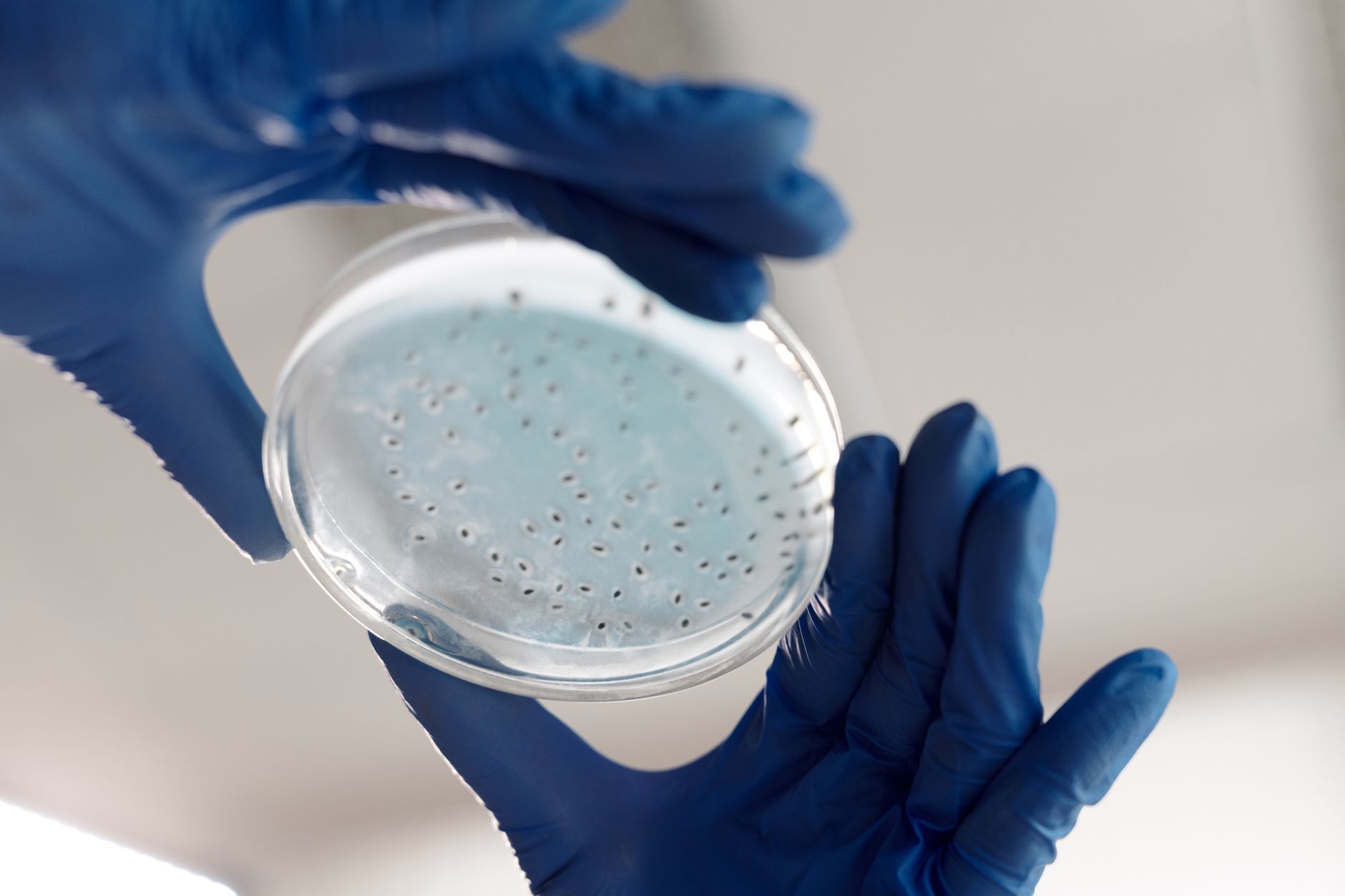
Tap Score’s Advanced Well Water Test ships you a sampling kit with everything you need to collect water from your well or tap. You mail the samples to a certified lab, and within 10 days you receive a detailed report showing levels of 105+ contaminants, including heavy metals, bacteria, nitrates, pesticides, and volatile organic compounds. The report even includes health risk information and treatment suggestions. For off-grid homesteaders, this removes guesswork. You’ll see exactly whether that old copper pipe is leaching metal or if nearby agriculture is affecting your aquifer.
One clear advantage is the level of certification. The lab uses EPA-approved methods, so you can trust the numbers. If your test reveals high lead, consider a whole-house filter designed for lead removal. The kit is especially valuable after drilling a new well, our well drilling guide explains why initial testing sets your baseline. At around $219, this kit isn’t cheap, but it replaces multiple separate tests and eliminates lab coordination headaches.
The downside is the wait. You won’t have instant results, and if you’re testing seasonally, you’ll need to buy fresh kits as shelf life is only 12 months. Also, the cost can feel steep if you only want a bacteria check. Still, for a once-a-year deep scan, Tap Score sets the gold standard. Pair it with a simple bacteria test strip for monthly monitoring between lab tests.
Key strengths:
- ✅ Covers 105+ contaminants in one mail-in panel
- ✅ EPA-certified lab methods for high accuracy
- ✅ Detailed health risk breakdowns with every result
- ✅ Includes pesticides, VOCs, and radiologicals if selected
- ❌ 12-month shelf life means you must use it promptly
- ❌ Higher upfront cost compared to basic DIY kits
- ❌ Lab turnaround takes up to 10 business days
Who it’s for: Well owners who want a definitive annual water quality snapshot and are willing to pay for certified results.
2. Safe Home Ultimate Drinking Water Test Kit , Widest contaminant coverage with immediate DIY screening
Safe Home’s Ultimate kit combines a DIY strip test for a dozen common parameters with a mail-in lab analysis for over 200 contaminants. You start with an immediate check for pH, hardness, chlorine, and nitrates, then send water samples to the lab for heavy metals, bacteria, pesticides, and VOCs. The lab is ISO 17025 certified, and the results portal is surprisingly clear, you get a personalized dashboard flagging anything above EPA limits. This kit often pops up in off-grid circles because one single purchase covers nearly every threat a remote water source could face.
The primary draw is cost per data point. At about $179, you’re paying well under $1 per contaminant screened. That’s a bargain compared to hiring a local testing service. The immediate strip results are useful for quick pH or chlorine decisions, say, if you’re dialing in a rainwater harvesting system and need on-the-spot adjustments. You can also use the lab results to decide if a whole-house filter is necessary or if a simple undersink unit will do.
However, the sheer scope can be overwhelming. If your water is relatively clean, you get a 200-line report full of “not detected” results, which some users find confusing. Also, the DIY strips are less accurate than full lab analysis, treat them as a rough guide. Finally, the kit’s 18-month shelf life is decent but still requires planning: don’t stockpile too many.
Key strengths:
- ✅ Tests 200+ parameters, far exceeding most competitors
- ✅ Combines instant strip test with certified lab analysis
- ✅ ISO-certified lab with clear online reporting
- ✅ Good value considering the breadth of testing
- ❌ Pesticide and VOC testing still requires mailing samples to lab
- ❌ The DIY strip part is less accurate than full lab methods
- ❌ Can be overkill for simple quarterly bacteria checks
Who it’s for: Anyone wanting the most exhaustive water test on the market, especially after moving into a new off-grid property.
3. WaterSafe Well Water Test Kit , Spot-checking bacteria and basic chemistry on a budget
WaterSafe’s Well kit is a go-to for homeowners who want a quick, on-the-spot check without waiting for a lab. It includes a bacteria test, where you add water to a powder medium and watch for color change after 48 hours, plus strips for nitrates, pH, hardness, and copper. The bacteria test specifically looks for total coliform, the first indicator of surface contamination. At roughly $25, it’s cheap enough to use every quarter. The whole process takes minutes to set up, and you don’t need any special tools.
For off-grid cabins used seasonally, this kit makes sense. Before you start drinking after a long winter, you can test the well yourself. If the bacteria vial turns positive, you know to shock chlorinate before lab confirmation. Combined with our water storage tank maintenance guide, you can keep your cistern water safe too. The kit’s shelf life of 24 months means you can keep a spare on hand without worrying about it expiring.
On the flip side, this kit won’t detect pesticides, VOCs, or lead, contaminants that can only be reliably found in a lab. The bacteria test is presence/absence only; it won’t quantify the colony count. Also, the copper strip can be finicky if water temperature is off. Consider it a frontline screening tool. If something flags, follow up with a lab test like Tap Score.
Key strengths:
- ✅ Affordable at $25, encouraging frequent use
- ✅ Bacteria test provides clear pass/fail in 48 hours
- ✅ Includes nitrates and pH, two critical well water checks
- ✅ No mailing required, results appear at home
- ❌ Cannot detect pesticides, lead, or VOCs
- ❌ Bacteria test is qualitative, not quantitative
- ❌ Color-matching for chemicals can be subjective
Who it’s for: Budget-conscious well owners who want routine bacteria and basic chemistry checks between annual lab tests.
4. Health Metric Bacteria Test Kit , Detecting E. coli and coliform specifically
If your only concern is bacterial contamination, say after a flood or a well repair, this dedicated kit from Health Metric hits the mark. It tests for total coliform and E. coli using a proprietary medium that changes color reliably. You add water, set the vial in a warm place, and check after 24 and 48 hours. No guessing; the color guide is easy to read. Each test costs under $25 for a single sample, or you can buy a 3-pack for less per test. The shelf life is a generous 36 months.
For off-grid setups, bacteria is the number one acute health threat. E. coli can cause severe illness, and coliform indicates surface water intrusion, a common issue in shallow wells. After heavy rains, pull a sample immediately. If the test is positive, consult our how to find water in wilderness guide for emergency alternative sources while you treat the well. This kit works especially well when you’re also monitoring your emergency water storage for bacterial regrowth.
The obvious limitation is that this kit tests nothing else. No nitrates, no lead, no pH. You’ll need separate tests for those. Also, temperature control during incubation matters; a cold countertop can delay results. For many, that’s a fair trade for the accuracy and simplicity of a single-purpose test.
Key strengths:
- ✅ Detects both total coliform and E. coli in one vial
- ✅ Long 36-month shelf life lets you stock up
- ✅ Easy-to-read color change chemistry
- ✅ No lab fee or mailing required
- ❌ Tests bacteria only; no other contaminants
- ❌ Incubation needs a consistent warm temperature (70-90°F)
- ❌ Positive result still requires lab confirmation for official records
Who it’s for: Well owners and off-grid homesteaders who prioritize the most common waterborne threat and want a dedicated tool for it.
5. 16 in 1 Water Test Strips , Fast, multi-parameter overview of water quality
These strips are the Swiss Army knife of water testing, inexpensive, fast, and covering 16 common parameters like hardness, alkalinity, chlorine, pH, nitrate, nitrite, and lead. You dip a strip, wait 30 seconds, and compare to a color chart. For under $15, you get about 50 to 100 strips, meaning you can test regularly without thinking about cost. That’s useful for monitoring water treatment systems day to day.
Off-grid users often rely on these strips to check output from portable water filters or to confirm their rainwater collection systems are producing safe water. Because they’re so easy to use, you’ll actually test, and that’s half the battle. Many people keep a bottle near the kitchen sink and dip a strip weekly. The data won’t pass a health department inspection, but it alerts you to sudden changes.
Accuracy drops off for certain heavy metals; lead detection, for example, is hit-or-miss below 15 ppb, the EPA action level. And these strips do not detect bacteria at all. So they’re a complement, not a replacement, for lab testing. Shelf life is 24 months; humidity will degrade them in an opened bottle, so close it tight.
Key strengths:
- ✅ Extremely affordable, 50+ tests for $15
- ✅ Covers 16 parameters in one dip
- ✅ Instant results without any equipment
- ✅ Great for frequent monitoring between lab tests
- ❌ No bacteria or pesticide testing
- ❌ Lead detection is unreliable near EPA limits
- ❌ Color matching can be subjective in dim light
Who it’s for: Anyone wanting a low-cost, ongoing screening tool to spot sudden changes in water quality, paired with annual lab tests.
6. Lead Iron Copper Test Kit , Pinpointing lead specifically
Old houses with lead pipes or brass fixtures demand a dedicated lead test. This kit uses EPA-recognized chemistry to reveal lead levels down to about 5 ppb, lower than the 15 ppb action level. You dip a test strip for a few seconds, then compare the pad color to a calibrated scale. It also checks free iron and copper, two metals that can indicate pipe corrosion. At roughly $12, it’s a low-risk way to screen multiple taps and see if a whole-house filter is worth the expense.
In off-grid cabins, people often store water in tanks with copper fittings or older brass pumps. Over time, corrosive water can draw lead into the water. Testing directly at the tap tells you if that’s happening. If results show elevated lead, consult our best whole-house water filters for options certified to remove lead, look for NSF/ANSI 53 certification. This kit also helps when you’re evaluating the potential cost of well drilling versus treating an existing well.
However, this is not a lab-grade test, and it won’t quantify exact lead numbers with the precision of ICP-MS used by labs. The color chart can be tough to read if you have poor lighting. And like other single-parameter kits, it’s silent on bacteria, nitrates, and pesticides. Think of it as a sentry: if lead shows up here, send a sample to a certified lab.
Key strengths:
- ✅ Detects lead below the EPA action level
- ✅ Also checks copper and iron, giving insight into pipe corrosion
- ✅ Very low cost per test
- ❌ Not as precise as lab-based lead analysis
- ❌ Small color chart makes interpretation tricky
- ❌ No testing for other common well contaminants
Who it’s for: Homeowners in older structures or anyone concerned about lead in their plumbing, as a first-line check before expensive remediation.
Frequently Asked Questions
How often should I test my well water?
Test for bacteria, nitrates, and pH at least once a year. The CDC also suggests testing for arsenic, lead, and pesticides every 3-5 years, or immediately after flooding, well repairs, or changes in taste or odor.
What is the difference between a DIY test and a lab test?
DIY strip or powder tests give quick presence/absence results for a few parameters. Lab tests use EPA-certified methods to measure exact contaminant levels, often detecting 10 to 50 times more substances with higher precision.
Can I test for pesticides at home?
At-home pesticide tests are unreliable. Pesticide screening requires gas chromatography and mass spectrometry, available only through lab-based mail-in kits like Tap Score or Safe Home.
Do water test strips detect bacteria accurately?
Most multi-parameter strips do not test for bacteria. Look for dedicated bacteria test vials (presence/absence tests) that incubate a sample for 24-48 hours to check for coliform and E. coli. Lab confirmation is still recommended.
Is lead testing necessary for city water?
Yes. Municipal water can pick up lead from service lines or household plumbing. The EPA action level is 15 ppb, but no level of lead is safe. An accredited lab test verifies what comes out of your tap.
What should I do if my test shows contamination?
Stop drinking the water immediately until you have a solution. For bacteria, shock chlorinate the well and retest. For metals or chemicals, install a point-of-use or whole-house filter certified for that contaminant, refer to our whole-house filter guide.
What Should You Remember?
- Lab vs. DIY: Lab-based kits detect 10-50 times more contaminants than simple strips.
- Annual Testing: Bacteria and nitrate tests are essential every year for private wells.
- Targeted Kits: A $25 bacteria-only test is perfectly fine for ongoing routine checks.
- Price Insight: Expect to pay $150-$250 for a comprehensive panel that includes pesticides and metals.
- Certification Matters: Look for WQA or EPA-certified methods; unverified results can be dangerously inaccurate.
- Action Follow-Up: A test is only useful if you act on the results, filter, treat, or find a new source.
- Storage Check: After testing, maintain your water storage tanks to prevent recontamination.
This article is for general information only. Water purification and storage carry health and safety risks — always follow local regulations and manufacturer guidance.