Living off-grid often means relying on a private well, a spring, or a rainwater collection system for your daily drinking water. Unlike municipal supplies monitored daily by treatment plants, these self-managed sources have no safety net. The responsibility to check for contaminants falls entirely on you. According to the CDC, about 15 million U.S. households use private wells that are not covered by the Safe Drinking Water Act. Bacteria, heavy metals, and agricultural runoff can seep into groundwater without any visible sign, making water testing the first and most critical step in off-grid water systems and any self-sufficient lifestyle.
The good news is that testing has never been more accessible. You can choose from simple strip-based home kits that give results in minutes or send a sample to a certified lab for a detailed breakdown. The method you pick depends on what you need to know and the risks in your area. A rainwater harvesting system might prioritize lead and bacteria, while a deep well in an industrial zone might need a VOC scan. Both DIY and professional approaches have their place, and this guide will help you decide when to use each.
In the following sections, you’ll learn exactly what contaminants to test for, how often to test, and how to interpret results. We’ll also cover how home test kits compare with lab analysis, and what the EPA and CDC recommend for private water supplies. Whether you’re new to water management or upgrading an existing system, a clear testing strategy is your surest path to safe, clean water.
Why Should You Test Your Water Quality?
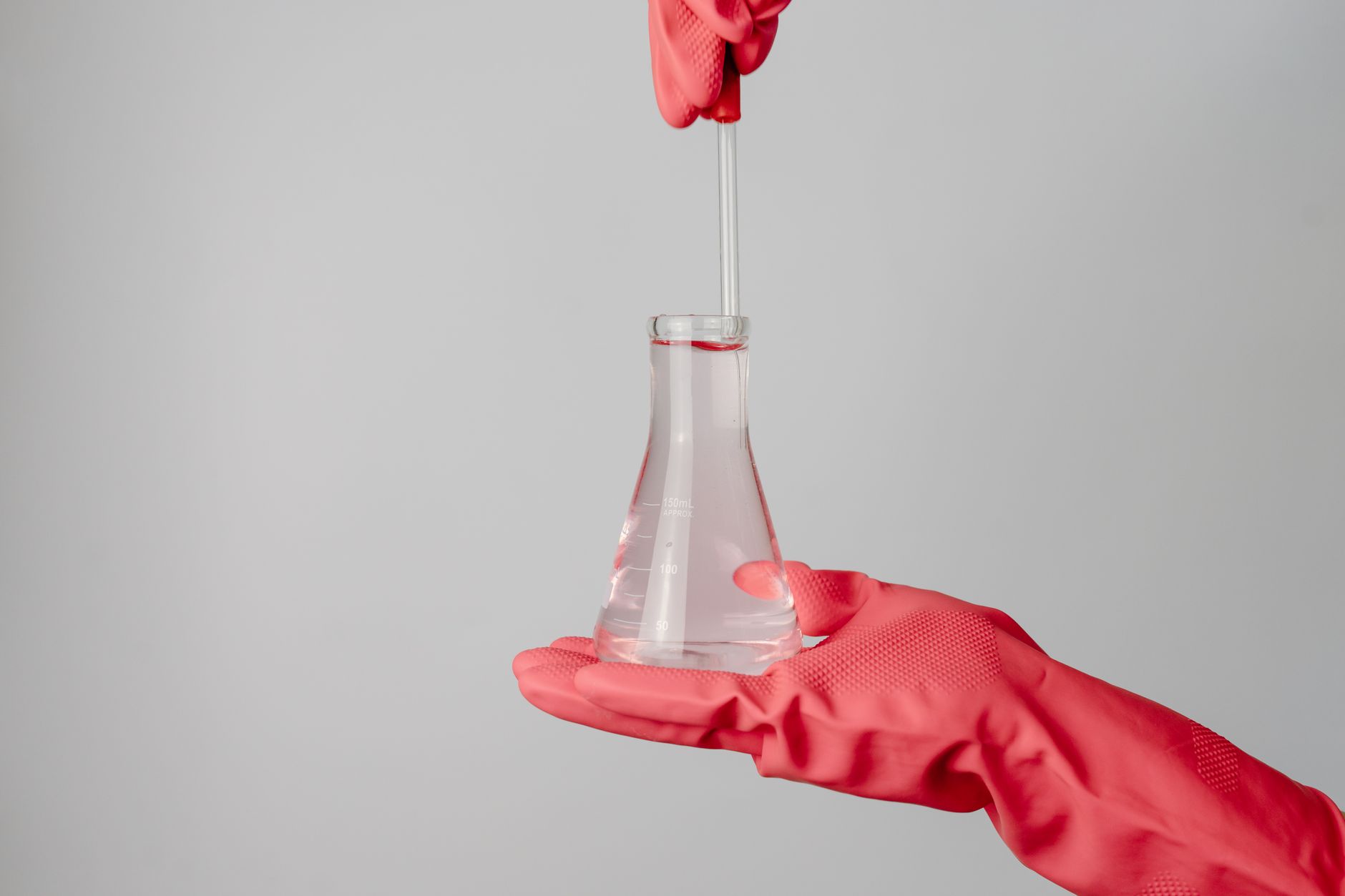
Water looks clean right out of the tap, but many threats are invisible, odorless, and tasteless. Bacteria like E. coli can enter a well from nearby septic systems or surface runoff and cause serious gastrointestinal illness. Heavy metals such as lead and arsenic can leach from plumbing or natural deposits and build up in the body over time. EPA drinking water standards set Maximum Contaminant Levels for over 90 pollutants in public supplies, but private sources get no such oversight.
Testing is your only window into what’s actually in your water. For off-grid households, a single test can reveal whether you need a simple sediment filter or a multi-stage treatment train. It also documents the baseline quality of your water, which is essential if you later need to prove contamination from a neighboring activity. Many families are surprised to find that their well water fails for coliform bacteria or nitrates even though the water tastes fine.
Beyond health, water quality affects your appliances and pipes. Hard water shortens the life of water heaters and washing machines. Iron and manganese stain sinks and clothes. By testing, you can address these nuisance issues before they cost you money. A whole-house water filter matched to your test results can solve both health and maintenance problems at once.
What Are the Most Common Water Contaminants?
Contaminants fall into a few broad categories. Microbial threats include coliform bacteria, E. coli, and giardia. These can cause immediate illness, so they are always a priority. Chemical contaminants range from naturally occurring arsenic and radon to man-made pollutants such as pesticides, nitrates from fertilizer, and volatile organic compounds (VOCs) from industrial sites. Physical parameters like turbidity, pH, and hardness affect taste and appliance wear but can also signal deeper problems.
The EPA regulates over 90 individual contaminants, but for private sources, you focus on those with the highest local risk. In farming areas, nitrates and coliform bacteria from animal waste and fertilizer are common. Near old orchards or industrial zones, lead and arsenic may be present. In regions with shale geology, radon can enter well water. The water’s pH can also influence how much lead and copper leach from your own pipes.
Testing for everything at once is expensive, so start with a standard panel: total coliform, E. coli, nitrate, pH, and total dissolved solids. Then add tests based on your location and history. If you notice a metallic taste, test for copper and lead. For rotten-egg odor, test for hydrogen sulfide and sulfate-reducing bacteria. Many local health departments can tell you which contaminants are most common in your county.
- Total coliform and E. coli (annual)
- Nitrate (annual, especially near agriculture)
- Lead and copper (every 3 years or after plumbing work)
- Arsenic (once if in a high-risk geological area)
- pH and total dissolved solids (every 3 years)
- VOCs (once if near gas stations or industrial sites)
How Do Home Water Test Kits Work?
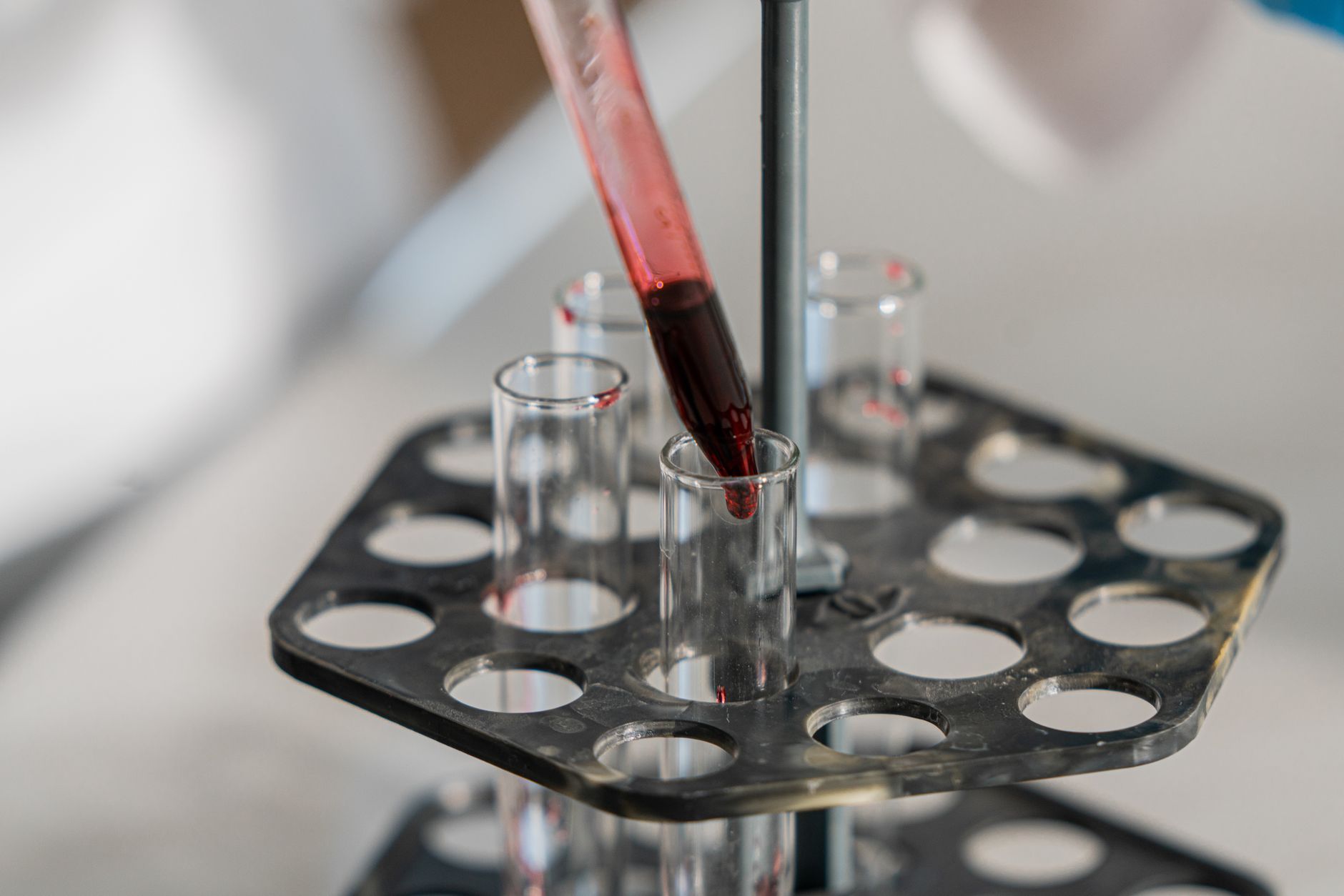
Home test kits come in several forms. The simplest are test strips. You dip a strip into water, wait for a color change, and compare it to a chart. These kits can test for pH, hardness, chlorine, nitrate, nitrite, and sometimes lead and copper. They are fast and cheap, but their accuracy depends on proper storage and timing. Some strips can detect only a narrow range, making them better for quick screenings than precise measurements.
Digital meters offer more precision for parameters like total dissolved solids, pH, and conductivity. You simply insert the meter into a sample and read the number. For specific contaminants, color-disc kits or liquid reagent kits let you add drops to a water sample and match the resulting color. These are more accurate than strips and can quantify levels like iron or nitrate down to a few parts per million.
One limitation is that most home tests cannot detect bacteria reliably. Some kits claim to test for coliform, but they often require incubation steps and can give false results. If you need a bacteria test, send a sample to a lab or use a specialized presence/absence test that meets EPA standards. For off-grid homes, a best water testing kit that includes both chemical and bacterial testing can bridge the gap between quick checks and lab work.
What Does a Certified Lab Test Offer?
A certified laboratory analysis is the gold standard for water testing. Labs use EPA-approved methods like inductively coupled plasma mass spectrometry for metals and enzyme-based tests for coliform bacteria. These methods can detect contaminants in the parts-per-billion range, which is critical for arsenic and lead, where even tiny amounts are harmful. You receive a detailed report that quantifies each substance, lists the EPA limit, and flags any exceedances.
Lab tests also cover a much wider spectrum. A single well package can include bacteria, 15 to 20 metals, nitrate, nitrite, alkalinity, hardness, turbidity, VOCs, and sometimes pesticides or radiologicals. This comprehensive baseline is invaluable for any off-grid home, especially a new well or well drilling project. Knowing your water’s exact chemistry lets you size a treatment system correctly and avoid guesswork.
The trade-off is cost and time. You must collect a sterile sample, often in special containers with preservatives, and get it to the lab within 24 to 48 hours. Results take from a few days to two weeks. Despite the hassle, nothing replaces a full lab screen for peace of mind. Many homeowners use a lab test every two to three years and back it up with home kits for routine monitoring between major tests.
- State-certified labs guarantee data you can trust for legal or real estate transactions
- Detection limits are often 100 times lower than home kits
- Reports include EPA MCLs and health advisories, making interpretation straightforward
What Should You Test For in Well Water vs. City Water?
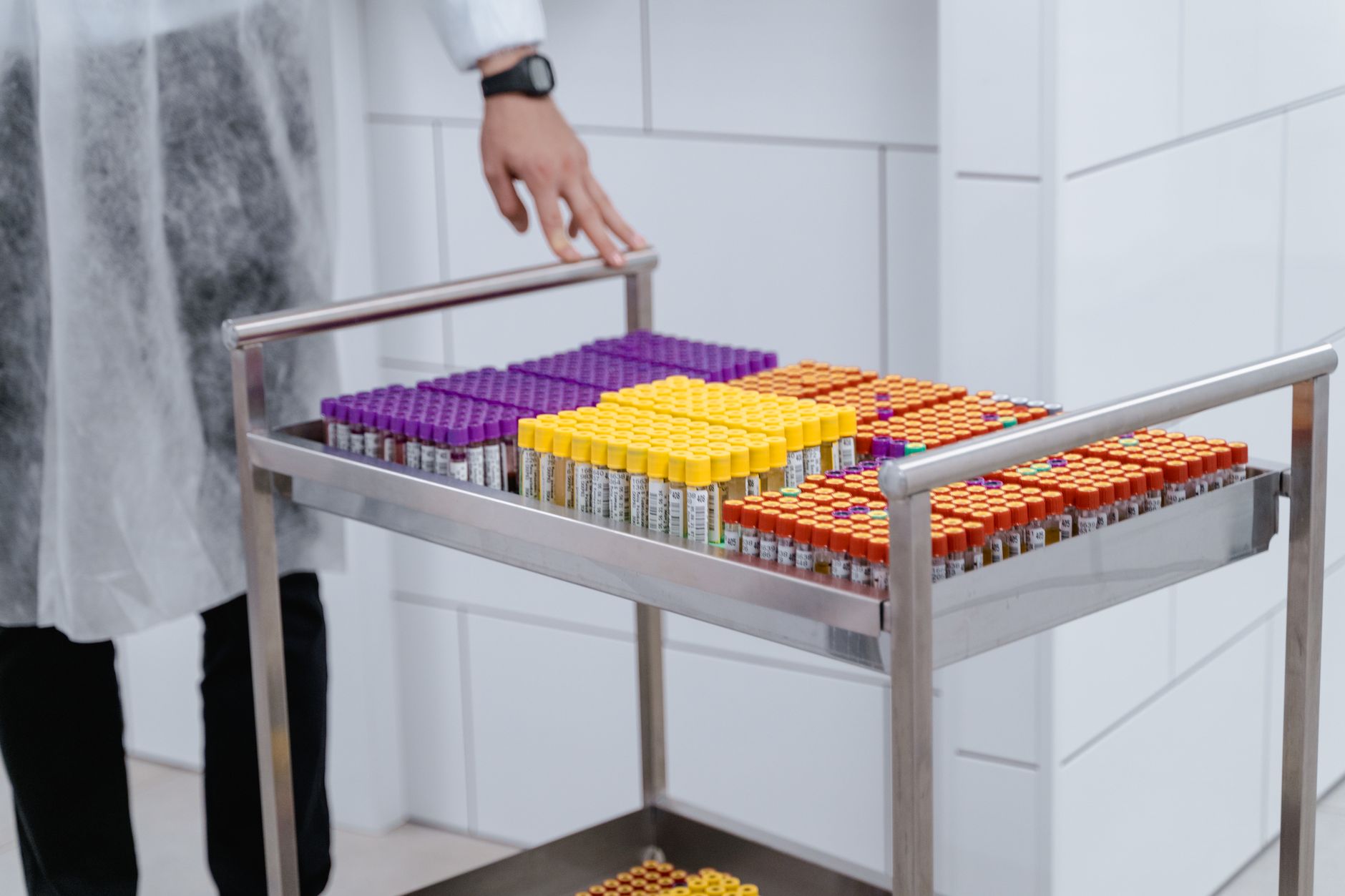
Well water and municipal water present different risks. A private well draws from groundwater that may contain contaminants from nearby septic systems, farms, or natural mineral deposits. The how to test well water quality guide emphasizes that every well should be tested for coliform bacteria, E. coli, nitrate, and arsenic at a minimum. In addition, test for lead if your home has older plumbing, and for VOCs if you live near a gas station or industrial area.
City water, on the other hand, is treated and disinfected, but problems can still arise. Chlorine byproducts like trihalomethanes can form, and lead can leach from service lines or household plumbing. While utilities provide an annual water quality report, it often reflects conditions at the treatment plant, not at your tap. Testing your point-of-use water for chlorine level, pH, and lead gives a more accurate picture of what you’re actually drinking.
Regardless of the source, the CDC recommends annual testing for coliform bacteria, nitrate, and any contaminants known to be a problem in your area. After flooding, well repairs, or changes in water taste and odor, retest immediately. Off-grid systems that combine a well with rainwater storage should also test for heavy metals and bacteria in the storage tanks, especially if they haven’t been cleaned regularly.
How Often Should You Test Your Water?
Testing frequency depends on your source and any changes to your system. The CDC guidelines for private wells recommend at least an annual test for total coliform, E. coli, and nitrate. You should also test for pH and total dissolved solids every three years. If your water smells or tastes different, or if there’s been nearby construction or flooding, test immediately.
When you install a new well or rehabilitate an existing one, a comprehensive baseline test is essential. After that, you can scale back to key parameters, provided no changes occur. If you add a water softener or whole-house filter, test both before and after the unit to confirm it’s working correctly. Pregnant women and infants are especially vulnerable to nitrate and lead, so households expecting a baby should test more proactively.
For off-grid homes that rely on stored rainwater, test the tank water for coliform bacteria and heavy metals at least twice a year. Tanks can become unintended breeding grounds for pathogens, especially in warm weather. Combining regular testing with water storage tank maintenance keeps your supply safe. In the end, a testing schedule that matches your water’s risk profile is far cheaper than dealing with a waterborne illness.
- Bacteria and nitrate: annually
- General chemistry (pH, TDS, hardness): every 3 years
- Heavy metals and VOCs: baseline test plus repeat every 5 years or after system changes
- After any plumbing work, well shock, or flood event: retest coliform immediately
Frequently Asked Questions
Can I test my water myself without sending it to a lab?
Yes, home water test kits can check for many common contaminants. Strips and digital meters are good for pH, hardness, chlorine, and some metals. However, they may not detect bacteria or very low levels of toxins. For a complete safety profile, a certified lab test is still the best approach.
How much does a professional water test cost?
A basic lab panel covering bacteria, nitrate, and lead often costs between $50 and $150. Comprehensive tests that scan for pesticides, VOCs, and heavy metals can range from $150 to $400. Some county health departments offer low-cost testing. Always check that the lab is state-certified.
What contaminants do home test kits miss?
Most home kits do not reliably detect coliform bacteria, E. coli, or trace levels of arsenic and lead. They also struggle with volatile organic compounds and radiological elements. If your water comes from a well or surface source, a lab test is strongly recommended for these invisible threats.
Is well water safe to drink without testing?
No. Even clear, great-tasting well water can harbor bacteria, nitrates, or naturally occurring arsenic. The CDC reports that over 15 million U.S. households use private wells, which are not regulated by the Safe Drinking Water Act. Testing is the only way to know if your water is safe.
How do I collect a water sample for a lab test correctly?
Follow the lab’s instructions precisely. Usually you remove any aerators, run the cold water for several minutes, then fill a sterile container. For bacteria tests, avoid touching the inside of the cap or bottle. Mail or deliver the sample within the required time frame, often 24 to 48 hours.
What should I do if my water test shows contamination?
Don’t panic. Many issues are fixable. For bacteria, shock chlorination may work. For heavy metals or nitrates, install a treatment system like reverse osmosis or a whole-house filter. Retest after treatment. You can find a list of certified treatment products at the WQA website.
What Should You Remember?
- Test annually for coliform bacteria, E. coli, and nitrates, especially if you have a well or off-grid source.
- Use a certified lab for your first test to establish a comprehensive baseline, then use home kits for routine monitoring.
- Consider local geology when choosing what to test: areas with shale may have arsenic, while agricultural zones often face nitrate issues.
- Collect samples carefully to avoid false results. Follow lab protocols for first-draw water and holding times.
- Combine testing with a treatment plan by reviewing results with a water specialist and selecting the right filter or system.
- Retest after any system changes, such as installing a new well pump, water heater, or filter, to ensure everything stays safe.
This article is for general information only. Water purification and storage carry health and safety risks — always follow local regulations and manufacturer guidance.