Gravity Fed Water System: 5 Off-Grid Setups Compared

Gravity Fed Water System: 5 Off-Grid Setups Compared

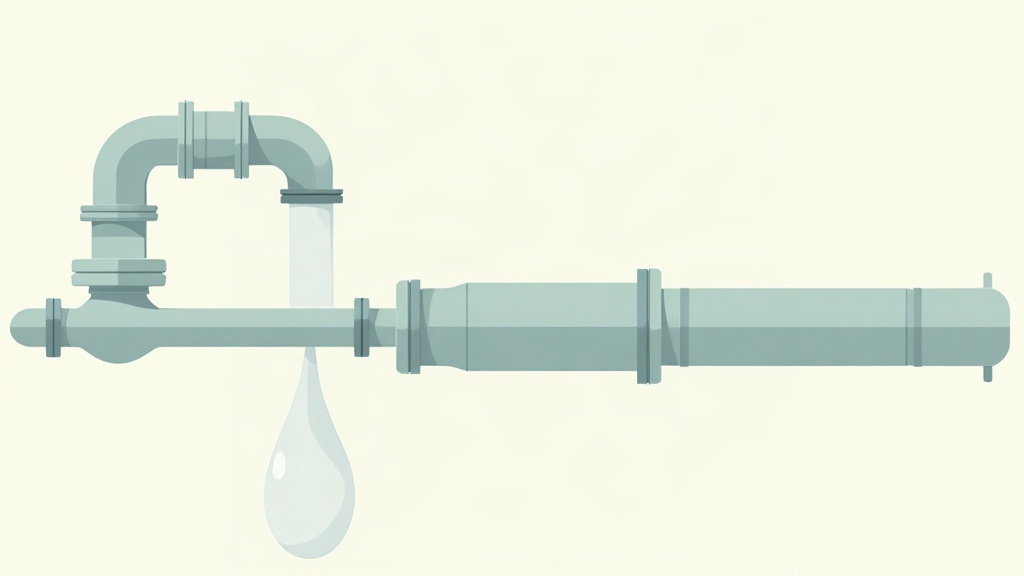
Quick Answer: A gravity fed water system moves water downhill from a source or storage tank, using elevation instead of a pump. Every 2.31 feet of drop equals 1 psi, so a tank 100 feet above the house delivers about 43 psi. The best setup depends on your property: a spring if you have a hillside, a tower if the land is flat, or a solar pump feeding elevated storage if you rely on a well. ...

September 20, 2026 · 15 min · Jarrod Gravison
Wood Burning Hot Water Heater: 6 Off-Grid Systems Compared

Wood Burning Hot Water Heater: 6 Off-Grid Systems Compared

Quick Answer: For a full household, an outdoor wood gasification boiler with a 300 to 1,000 gallon storage tank is the only setup here that keeps up with showers, laundry, and dishes. For cabins and small households, a side-arm coil on an existing woodstove is the best value. Rocket coils and portable kettles are batch heaters only and rarely produce potable water. Off-grid hot water is the part of a homestead build that most people underestimate. A standard showerhead flows 2.5 gallons per minute, so a ten minute shower pulls 25 gallons out of your tank before anyone has washed a single dish. Run that math for a family of four and you land between 40 and 60 gallons of hot water a day, every day, in every season. Wood is one of the few fuels you can cut, dry, and store on your own land, which is why wood burning hot water heaters keep showing up in cabins, workshops, and full time off-grid homes. The trick is picking a design that matches how you actually live, because a batch rocket coil and a 200,000 BTU gasification boiler are not interchangeable. If you are still mapping out the rest of your supply, start with this overview of off-grid water systems before you buy anything. ...

September 20, 2026 · 18 min · Jarrod Gravison
Water Tank Pumps Compared: 5 Best Options for 2026 Homes

Water Tank Pumps Compared: 5 Best Options for 2026 Homes

Quick Answer: For most homes with a storage tank, the Grundfos Scala2 is the best all-around pick for 2026 because it holds steady pressure and tolerates minor debris. Off-grid cabins should choose the SHURflo 2088 for 12V power. Budget well owners can save with the Wayne WJS50, but expect more noise and shorter life. A water tank pump is the bridge between storage and your tap. Without it, gravity gives you a trickle. The EPA reports the average American family uses more than 300 gallons of water per day at home, so a weak pump shows up fast. If you run a well, rain cistern, or hauled water tank, you need a pump that matches your tank, your power source, and your peak demand. This guide compares five pumps for 2026 based on flow rate, pressure control, and real-world repair records. I have installed and repaired these on off-grid properties, and I will tell you where each one fails. Start by reading our off-grid water systems overview and the water storage tank maintenance guide. ...

September 17, 2026 · 12 min · Jarrod Gravison
Above Ground Water Storage Tanks: 5 Best Options Compared

Above Ground Water Storage Tanks: 5 Best Options Compared

Quick Answer: The best above ground water storage tank depends on how you use it. Norwesco poly tanks win for general household storage, Enduraplas leads for certified potable water, Bushman slimline tanks fit tight spaces along a wall, Snyder handles serious volume, and galvanized steel stock tanks are the cheapest way to store irrigation or livestock water. Storing water above ground is the simplest way to guarantee your household has water when the well pump quits, the power goes out, or the rain stops falling. A tank sitting on a gravel bed or concrete pad needs no excavation, no crane, and no permit in most rural counties. Plenty of people start with a few 55-gallon drums and quickly learn that is not enough. The CDC recommends keeping at least one gallon per person per day for drinking and sanitation, which means a family of four burns through 28 gallons in a week before anyone takes a shower. Good emergency water storage planning starts with honest math about consumption. ...

September 17, 2026 · 13 min · Jarrod Gravison
Rainwater Pump Guide: 5 Best Pumps for Tanks and Homes

Rainwater Pump Guide: 5 Best Pumps for Tanks and Homes

Quick Answer: The best rainwater pump for most homes is a multistage centrifugal pump like the Grundfos Scala2, delivering 15-20 GPM at 50 PSI. For off-grid setups, a 24V DC pump such as the Shurflo 2088 runs directly off solar. Always size your pump to tank height and daily demand. Rainwater harvesting can supply a significant portion of household water. The EPA reports the average American family uses over 300 gallons of water per day. A well-designed rainwater system can offset 50 to 100 percent of outdoor use and much indoor demand. But without a proper pump, your tank is just a bucket. The pump moves water from tank to tap, irrigation, or whole-house system. This guide covers five pumps that work for tanks and homes. We tested flow rates, pressure curves, and off-grid compatibility. Start with our rainwater harvesting guide to plan your setup. ...

September 17, 2026 · 8 min · Jarrod Gravison
On Demand Water Pump Comparison: 6 Top Picks for 2026

On Demand Water Pump Comparison: 6 Top Picks for 2026

Quick Answer: An on demand water pump starts automatically when a faucet opens and stops when flow ends, holding steady pressure without a large storage tank. Shallow wells use a jet pump, deep wells need a submersible with a pressure switch or controller, and cabins run fine on a 12V diaphragm pump. Match the pump to your peak demand. An on demand water pump does one simple thing well: it runs when you open a tap and stops when you close it. No tank in the corner holding a fixed drawdown, no pump hammering on at 3 a.m. to top off a bladder, no 20 psi swing between the shower starting and the toilet flushing. For anyone building a cabin, replacing a tired well system, or fighting pathetic municipal pressure, that behavior is the entire appeal. The trick is that on demand describes a control strategy rather than a single product. A 12V diaphragm pump in an RV, a variable-speed booster under a utility sink, and a 3-inch submersible 200 feet down a well can all call themselves on demand pumps. They solve completely different problems. Buying the wrong one wastes money and leaves you with worse pressure than you started with. This comparison covers six proven options across that whole range, from a bargain cabin pump to a full constant-pressure well system. ...

September 15, 2026 · 17 min · Jarrod Gravison
Best Water Bottles with Filters for Well and Off-Grid Water

Best Water Bottles with Filters for Well and Off-Grid Water

Quick Answer: Grayl UltraPress is the best water bottle with filter for well water because it removes viruses, bacteria, protozoa, and heavy metals. LifeStraw Go is better for budget trail use, and Brita Premium works for treating municipal or clear well water with chlorine taste and odor. Always test your source first. If you drink from a private well or a backcountry source, a bottle filter is not a luxury. It is a line of defense. Well water can carry bacteria, nitrates, sediment, and heavy metals that a municipal plant would normally treat. The EPA’s drinking water standards set maximum contaminant levels for over 90 substances, but the EPA does not regulate private wells. That means the responsibility sits with you. A portable bottle filter gives you point-of-use protection at the kitchen sink, in the field, or in an evacuation bag. Before you buy, test your well water quality so you know which contaminants actually need removal. A bottle that removes lead but not bacteria is wasted money if your well test shows total coliform. ...

September 14, 2026 · 11 min · Jarrod Gravison
Underground Water Tanks: 5 Types Compared for Wells and Off-Grid Use

Underground Water Tanks: 5 Types Compared for Wells and Off-Grid Use

Quick Answer: For most homesteads, polyethylene underground tanks offer the best balance of cost, durability, and easy installation. Concrete tanks work well for large-capacity storage but cost more. Fiberglass resists corrosion, while steel needs cathodic protection. Match tank material to your soil, water chemistry, and budget. Underground water tanks matter for anyone who depends on a private well, collected rainwater, or a spring. They protect water from temperature swings, algae growth, and physical damage. The average American household uses about 300 gallons per day, with each person using roughly 82 gallons. If your pump quits or a drought lowers the water table, stored water can carry you for weeks. This guide compares five common underground tank types so you can match material, capacity, and cost to your situation. It also shows how these tanks fit into larger off-grid water systems and what installation mistakes to avoid. ...

September 13, 2026 · 11 min · Jarrod Gravison
Solar Water Heater Types Compared: Which System Works Off-Grid?

Solar Water Heater Types Compared: Which System Works Off-Grid?

Quick Answer: For true off-grid operation, a passive thermosiphon or drainback system usually works best. Passive designs need no pump or controller. Drainback adds reliable freeze protection with minimal maintenance. Evacuated tube active systems deliver the most winter heat but require a small PV or battery power source. Hot water is one of the biggest energy draws in an off-grid home. If you rely on a well, a spring, or a rainwater cistern, a solar water heater can cut that load to almost zero. It works without grid power, and most designs need no backup generator. You still need to size the system to your daily use and climate. This guide walks through five solar water heater types that actually work off-grid. Each type fits different freeze risks, budgets, and hot water demands. Before you buy, understand how a solar thermal system connects to your existing off-grid water systems. ...

September 12, 2026 · 11 min · Jarrod Gravison
Best Off Grid Shower Systems Compared: 5 Practical Options

Best Off Grid Shower Systems Compared: 5 Practical Options

Quick Answer: For most off-grid setups, a solar shower bag is the best first choice because it costs $15 to $40 and heats 5 gallons with zero fuel. If you need reliable hot water in any weather, choose a portable propane water heater. For permanent low-cost sites, a gravity bucket shower works. Match the system to your water source and climate. An off-grid shower is one of the first upgrades after you secure a water supply. If you haul water from a well or collect rain in barrels, you still need a way to clean up without grid power. The right setup depends on how much hot water you want, how portable it must be, and how often you will use it. Some options cost under $30, while others run several hundred dollars. You can heat water with the sun, propane, wood, or a small battery-powered pump. No single system fits every off-grid cabin, camper, or homestead. ...

September 11, 2026 · 12 min · Jarrod Gravison
5 Best Portable Tankless Water Heaters for Off-Grid Wells

5 Best Portable Tankless Water Heaters for Off-Grid Wells

Quick Answer: The best portable tankless water heater depends on your water source. A 1.5 GPM unit like the Eccotemp L5 works for single showers, while a 2.64 GPM Camplux 10L handles two fixtures. Expect a 35-50°F temperature rise. Cold well water below 50°F will produce lukewarm water without a bigger burner. For a well owner or off-grid cabin builder, hot water is not guaranteed. A portable tankless water heater can fill that gap when a standard tank heater costs too much to run, needs too much power, or will not fit in a camper or tiny home. These small propane units heat water only when you open the tap. That means no standing tank, no 24/7 element draw, and far less weight. According to the EPA’s drinking water standards, private well owners should test their source water at least once a year. A heater cannot remove bacteria, sediment, or heavy metals. Treat water quality as a separate task before you heat it. ...

September 11, 2026 · 12 min · Jarrod Gravison
Benefits of Rainwater: 5 Uses Compared for Off-Grid Water Savings

Benefits of Rainwater: 5 Uses Compared for Off-Grid Water Savings

Quick Answer: Rainwater benefits include lower water bills, softer water for plants, reduced runoff, and an emergency supply. One inch of rain on a 1,000-square-foot roof yields roughly 623 gallons. Outdoor use needs basic screening. Drinking requires filtration and disinfection to meet EPA standards. Always test stored rainwater before you rely on it. Rainwater harvesting is a practical response to rising water bills and uncertain supply. A roof with a 1,000-square-foot footprint captures roughly 623 gallons from a single inch of rain. A home that receives 30 inches of rainfall per year could collect about 18,600 gallons annually. That is enough to cover outdoor irrigation, toilet flushing, and laundry for many households. Rainwater is naturally soft and free of chlorine, chloramine, and many dissolved minerals. Before you invest in storage or filtration, read this rainwater harvesting guide to understand the basics. This article compares five common ways to use rainwater and what each one demands. ...

September 10, 2026 · 11 min · Jarrod Gravison
Large Scale Water Filtration Systems Compared: 5 Whole House Options

Large Scale Water Filtration Systems Compared: 5 Whole House Options

Quick Answer: For most well and homestead users, a two-stage sediment and carbon whole house system offers the best balance of flow, cost, and contaminant removal. If you need to remove dissolved salts, heavy metals, or nitrates, upgrade to reverse osmosis or ultrafiltration. Always test your raw water first and size the system to your peak demand. If you pull water from a well, the county does not test it or treat it for you. The EPA’s drinking water standards set legal limits for over 90 contaminants, but they apply to public utilities. Private well owners carry the testing and treatment burden alone. That reality hits hard when large scale water filtration becomes necessary for a big house, garden, livestock, or a small community. Before spending a dollar on equipment, run a full well water quality test and write down the exact levels of iron, manganese, hardness, bacteria, nitrates, and pH. Then match the system to the contaminant. Anything else is guessing with expensive plumbing. ...

September 9, 2026 · 11 min · Jarrod Gravison
Why Is It Illegal to Collect Rainwater? U.S. State Rules Compared

Why Is It Illegal to Collect Rainwater? U.S. State Rules Compared

Quick Answer: Rainwater collection is not illegal in most of the United States. Restrictions exist mainly in arid Western states where old water laws treat rainfall as property of downstream rights holders. Colorado only allowed residential rain barrels in 2016, with a 110-gallon limit. Most states now encourage or lightly regulate harvesting. Always check local rules before building a system. Rainwater collection sits at a strange legal crossroads. Most people assume catching rain from a roof is a universal right. Yet in parts of the American West, a rain barrel can technically interfere with someone else’s water right. The rules come from 19th-century water law, not modern environmental policy. If you are planning a rainwater harvesting guide system, you need to know whether your state restricts it. A single inch of rain on a 1,000-square-foot roof yields about 600 gallons. That volume matters in arid regions where every drop is accounted for under prior appropriation. ...

September 9, 2026 · 11 min · Jarrod Gravison
Well Drilling Guide: Costs, Permits, Types, and What to Expect

Well Drilling Guide: Costs, Permits, Types, and What to Expect

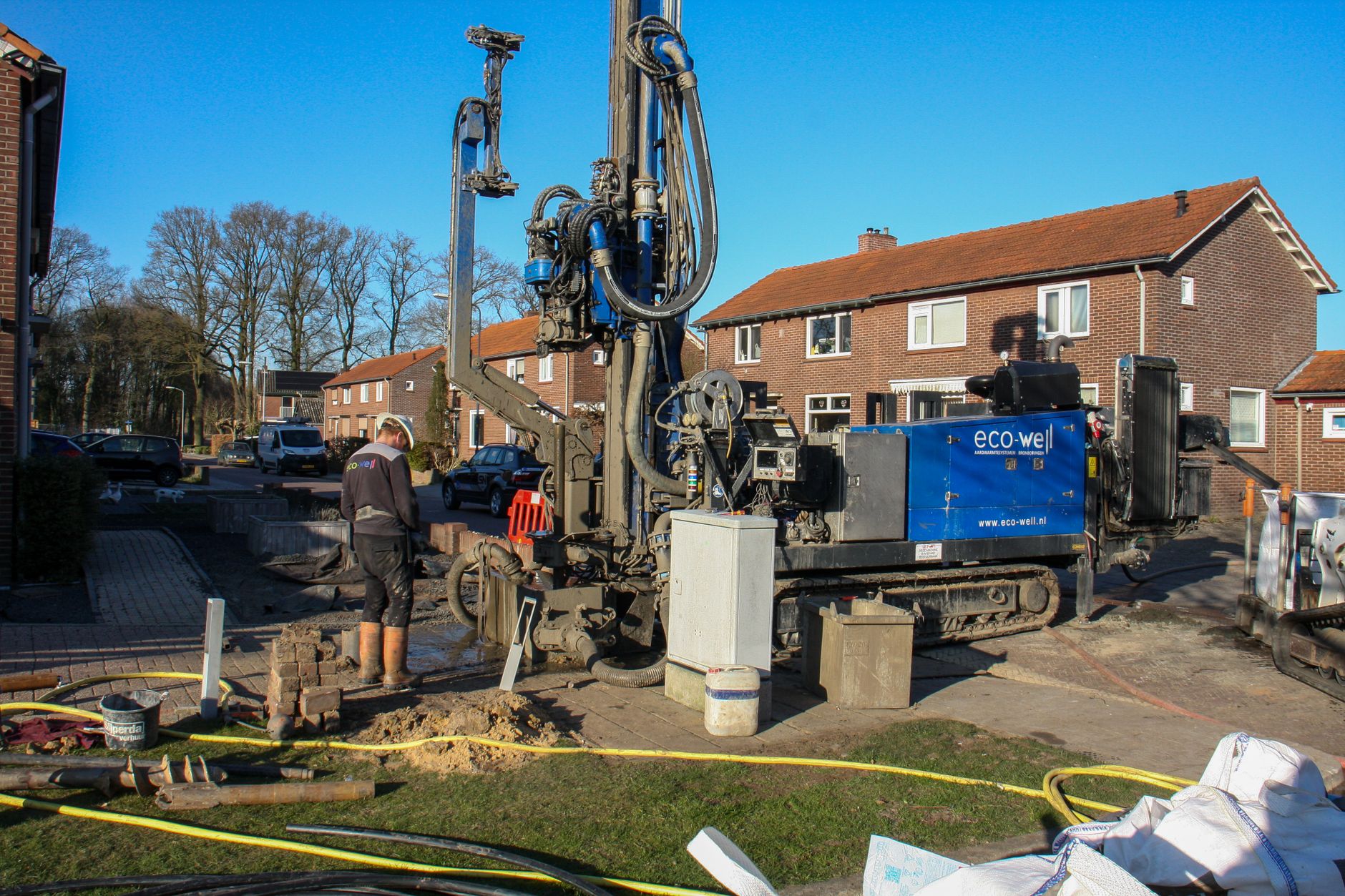
Quick Answer: Drilling a water well involves locating groundwater, obtaining permits, choosing a well type (drilled, dug, driven), and hiring a licensed driller. Costs typically range from $3,000 to $15,000 depending on depth and geology. Expect site assessment, drilling, casing, and pump installation. Post-drilling water testing is essential to meet EPA safety standards. Private wells supply water to over 13 million U.S. households, according to the EPA. For off-grid properties, rural homesteaders, and anyone seeking true water independence, drilling a well is often the best long-term solution. The process involves more than just punching a hole in the ground. You need to understand local geology, navigate permits, choose the right well type, and budget for costs that can range from around $1,500 for a shallow driven well to well over $15,000 for a deep drilled system. Our off-grid water systems guide explores how a well fits into a larger independent water plan. ...

August 11, 2026 · 9 min · Jarrod Gravison
Well Drilling Cost: Full Breakdown by Depth, Region, and Method (2026)

Well Drilling Cost: Full Breakdown by Depth, Region, and Method (2026)

Quick Answer: In 2026, well drilling costs range from $1,500 to $20,000 depending on depth, method, and location. Shallow wells (less than 50 feet) using sand point or auger methods cost $1,500-$5,000. Mid-depth rotary wells (50-200 feet) average $5,000-$10,000. Deep wells (200-500+ feet) can exceed $15,000. Regional differences, like hard bedrock or high labor rates, can add 20-50% to the base price. For anyone planning an off-grid water system, the cost of drilling a well is the largest upfront expense. In 2026, prices range from $1,500 for a shallow sand point well all the way up to $20,000 for a deep artesian well in hard rock. The final bill depends on the depth of the aquifer, the regional geology, and the drilling method. Before you break ground, understanding these variables will keep your budget realistic. This breakdown covers every major well drilling method with real 2026 price data. ...

August 11, 2026 · 14 min · Jarrod Gravison
How to Test Well Water Quality: DIY Testing, Lab Analysis, and What to Check For

How to Test Well Water Quality: DIY Testing, Lab Analysis, and What to Check For

Quick Answer: To test well water quality, start with a visual inspection and a DIY home test kit to check pH, hardness, and bacteria presence. For comprehensive safety, collect a proper water sample and send it to a certified lab. The lab will analyze for coliform bacteria, nitrates, heavy metals, and volatile organic compounds. Compare results against EPA guidelines and install appropriate filtration if needed. If you rely on a private well for drinking water, you don’t have a utility company monitoring its safety. That job falls squarely on your shoulders. Even if the water tastes, looks, and smells fine, invisible threats like bacteria, nitrates, and heavy metals can be lurking. The only way to know for sure is to test. This guide walks you through every method, from simple at-home kits you can use today to certified lab panels that scan for dozens of contaminants. Whether you are on a remote off-grid homestead or just moved into a rural property with an existing well drilled, understanding your water quality is the first line of defense. ...

August 11, 2026 · 9 min · Jarrod Gravison