Water Purification Methods Ranked: Which One Should You Use?

Water Purification Methods Ranked: Which One Should You Use?

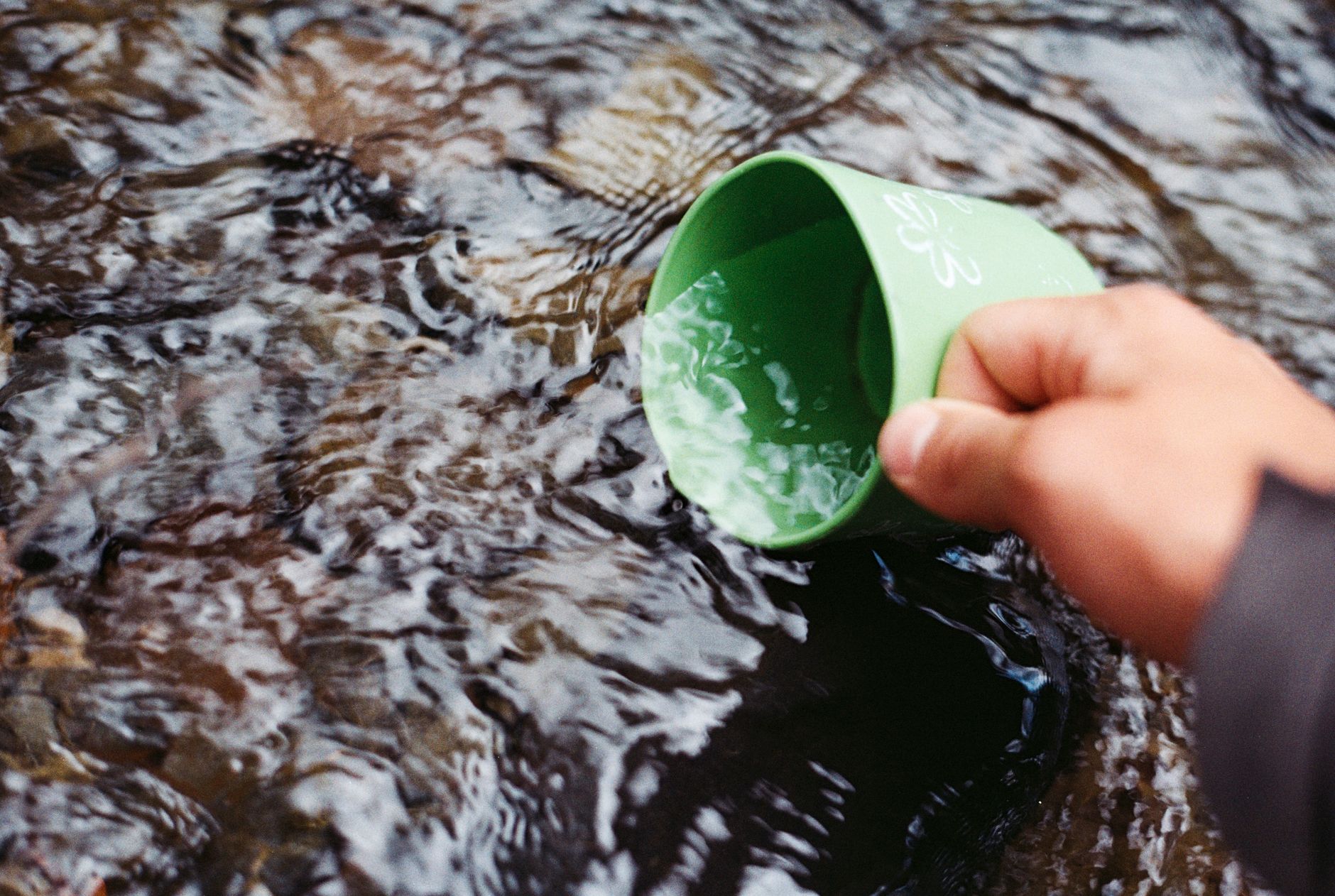
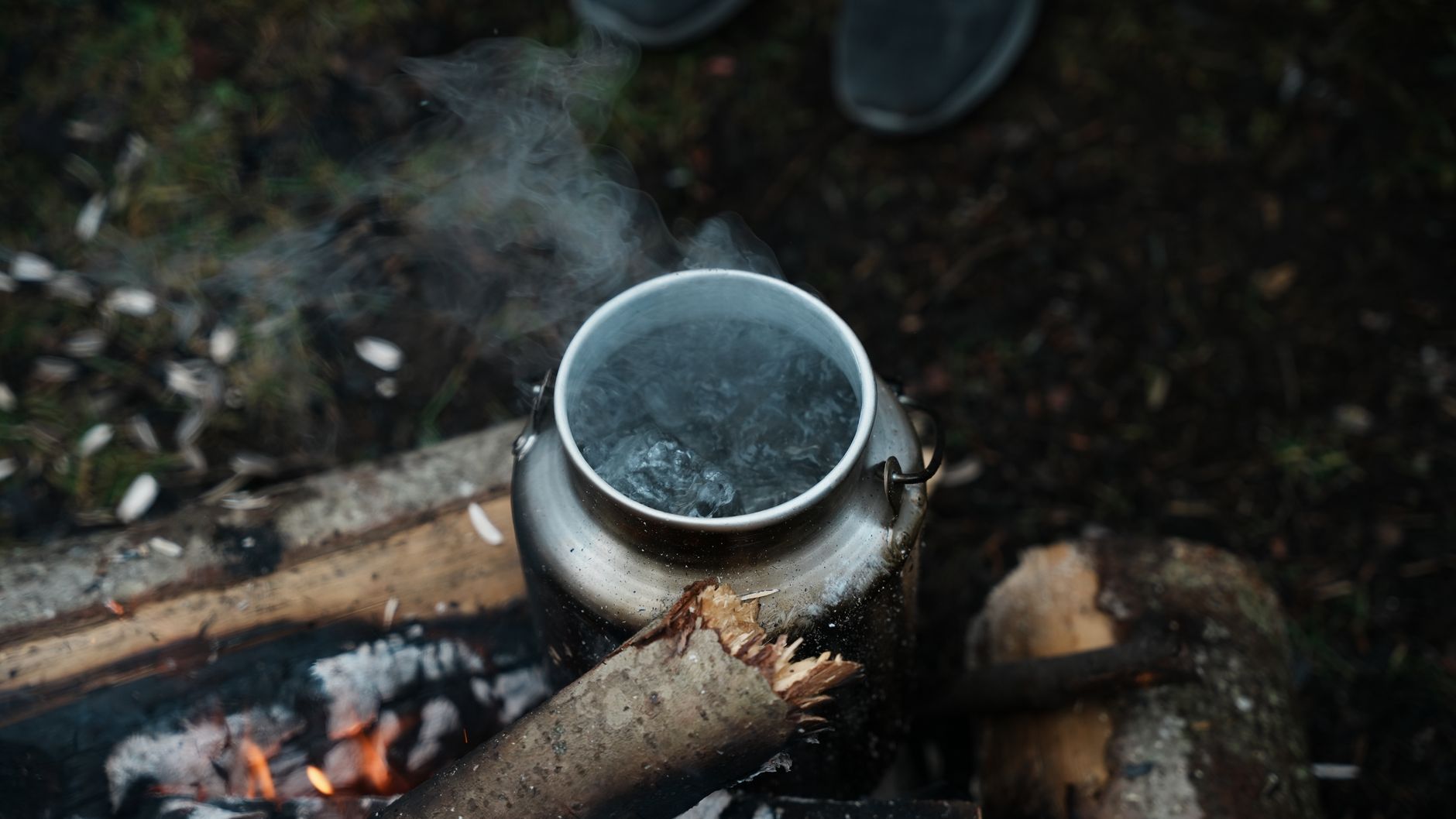
Quick Answer: For daily off-grid drinking water, a high-quality physical filter ranks first because it balances pathogen removal, flow rate, and no chemical taste. In emergencies where fuel is available, boiling is the gold standard. UV works well if your water is clear. Chemical treatments (iodine/chlorine) are a lightweight backup. Distillation offers ultimate purity but is slow and energy-intensive. Always start with the [best water testing kits](/articles/best-water-testing-kits/) to know exactly what you're treating. ...

August 11, 2026 · 10 min · Jarrod Gravison
Rainwater Harvesting Guide: Collection, Storage, Filtration & Legal

Rainwater Harvesting Guide: Collection, Storage, Filtration & Legal

Quick Answer: Rainwater harvesting involves collecting, storing, and treating rain runoff from a roof for later use. A proper system includes a catchment surface, gutters, a first-flush diverter, storage tanks, and filtration. Legal restrictions vary by state. With a well-maintained system you can reduce municipal water consumption by up to 50% and enjoy a sustainable, emergency-ready supply. Rainwater harvesting is one of the oldest and simplest ways to secure a water supply. It works for off-grid cabins, suburban gardens, or entire homesteads. Instead of relying solely on a well or municipal supply, you can capture free rainwater from your roof. This guide walks you through every step: collection, storage, filtration, and legal considerations. Whether you want to water your vegetable patch or treat water to drinking standards, the principles remain the same. ...

August 11, 2026 · 9 min · Jarrod Gravison
How to Winterize Your Water Systems: Pipes, Pumps, Tanks, and Wells

How to Winterize Your Water Systems: Pipes, Pumps, Tanks, and Wells

Quick Answer: To winterize your entire water system, insulate all exposed pipes and tanks, drain outdoor lines, protect your well head with an insulated cover, and add non-toxic antifreeze where safe. Shut off the main water supply for vacant properties and open faucets to relieve pressure. Use heat tape on critical components and check local frost depth guidelines to bury pipes deep enough. A sudden drop in temperature can turn a reliable off-grid water system into a costly nightmare. Water expands by about 9% when it freezes, and that expansion can generate pressure over 2,000 pounds per square inch inside a pipe or tank. No material in a typical home water system can withstand that force. Frozen pipes burst, well pumps crack, and storage tanks split, leaving you without water when you need it most. Repair bills from freeze damage average $4,000 to $8,000 according to industry estimates, and secondary water damage can double that figure. ...

August 11, 2026 · 14 min · Jarrod Gravison
How to Read Your Water Quality Report: Understanding Contaminants, MCLs, and What They Mean

How to Read Your Water Quality Report: Understanding Contaminants, MCLs, and What They Mean

Quick Answer: A water quality report, or Consumer Confidence Report, lists detected contaminants in your drinking water and compares their levels to legal standards called Maximum Contaminant Levels (MCLs). Learning to read these figures helps you spot violations, understand health risks, and determine whether additional filtration or treatment is needed, especially important for private well and off-grid systems. Every year, millions of Americans receive a water quality report from their community water system. This document, also called a Consumer Confidence Report (CCR), tells you exactly what is in your drinking water. For off-grid homeowners and those who rely on private wells, no such report arrives automatically. Understanding what these reports contain and how to interpret the numbers puts you in control of your water safety. Whether you draw from a municipal supply or a personal well, learning to read a water quality report is a foundational skill for protecting your family’s health. ...

August 11, 2026 · 11 min · Jarrod Gravison
How to Find Water in the Wilderness: Survival Sourcing and Purification

How to Find Water in the Wilderness: Survival Sourcing and Purification

Quick Answer: To find water in the wilderness, search for streams, springs, lush vegetation, and animal trails. Collect rainwater or morning dew if possible. Always purify any water you find, using boiling, chemical treatment, or a portable filter, to eliminate dangerous pathogens like Giardia and E. coli. Water is non-negotiable for survival. Without it, the human body begins to shut down in as little as three days, and that window narrows to mere hours in extreme heat or during strenuous exertion. The rule of threes states: you can survive three minutes without air, three hours without shelter in harsh conditions, three days without water. In the wilderness, finding a reliable source of water is your first and most urgent priority. Yet more than 90% of backcountry water sources in North America harbor invisible pathogens like Giardia and E. coli, which can incapacitate you within days and worsen dehydration. Knowing where to look, how to collect, and how to purify water can mean the difference between thriving and a life-threatening emergency. ...

August 11, 2026 · 9 min · Jarrod Gravison
Atmospheric Water Generator Cost: Real Prices and Cost per Liter (2026)

Atmospheric Water Generator Cost: Real Prices and Cost per Liter (2026)

Quick Answer: Atmospheric water generators cost between $1,000 and $5,000 for residential units in 2026. The cost per liter typically ranges from $0.08 to $0.25, depending on electricity rates and humidity. While the initial investment is high, an AWG can provide a reliable, off-grid water source that meets EPA standards. An atmospheric water generator (AWG) pulls moisture straight from the air and turns it into clean drinking water. This technology offers a lifeline for off-grid homes, arid regions, and emergency preparedness. As climate shifts and water scarcity grows, more households explore AWG systems as a primary or backup water source. The biggest question on everyone’s mind is simple: what does it really cost? ...

August 11, 2026 · 10 min · Jarrod Gravison
Emergency Water Storage: How Much, What Containers, and How Long

Emergency Water Storage: How Much, What Containers, and How Long

Quick Answer: Store at least 1 gallon of water per person per day for a minimum of 3 days, but a two-week supply is better. Use food-grade containers like 55-gallon drums or stackable water bricks, and rotate water every 6 months unless treated with chlorine bleach. Water is the single most critical emergency supply. The CDC’s drinking water safety guidelines recommend storing at least 1 gallon per person per day for drinking and basic hygiene. For a family of four, that’s 56 gallons for a two‑week cushion, a stark figure that quickly rules out a few milk jugs in the pantry. Dehydration sets in within 24 hours in extreme conditions, and without water, survival drops to three days. This urgency makes choosing the right storage method not a prepper luxury but a fundamental household precaution. Before filling anything, test your water quality to be sure what you’re putting away is safe from the start. ...

August 11, 2026 · 12 min · Jarrod Gravison
Desalination Guide: How It Works, Home vs Industrial, Cost, and Impact

Desalination Guide: How It Works, Home vs Industrial, Cost, and Impact

Quick Answer: Desalination removes salt and minerals from seawater or brackish water to produce fresh water. Home reverse osmosis systems produce 50-200 gallons per day and cost $0.10-$0.30 per gallon, while industrial plants deliver millions of gallons for under $0.005 per gallon. Energy use and brine disposal are the main environmental concerns, but desalinated water typically meets [EPA](https://www.epa.gov/ground-water-and-drinking-water) and [WHO](https://www.who.int/teams/environment-climate-change-and-health/water-sanitation-and-health) drinking water standards. Only 2.5% of the Earth’s water is fresh, and much of that is locked in glaciers or deep aquifers. For coastal communities, islands, and arid regions, the ocean represents an almost unlimited source of water , if you can remove the salt. Desalination does exactly that. Over the past two decades, it has grown from a niche technology into a global industry that supplies drinking water to more than 300 million people. According to the International Water Association, desalination capacity exceeded 100 million cubic meters per day in 2023, and that number is climbing fast. ...

August 11, 2026 · 12 min · Jarrod Gravison
How to Build a Rainwater Collection System: A DIY Step-by-Step Guide

How to Build a Rainwater Collection System: A DIY Step-by-Step Guide

Quick Answer: A DIY rainwater collection system captures roof runoff, filters debris, and stores water in tanks for non-potable or potable use. You'll need gutters, downspouts, a first-flush diverter, a storage tank, and basic plumbing. Proper design can yield 0.62 gallons per square foot of roof per inch of rain. Always follow EPA guidelines for safe collection and treatment if using for drinking. Rainwater harvesting is one of the simplest ways to secure a renewable water source for your home or homestead. Across the United States, outdoor water use accounts for nearly 30% of total household consumption, according to the EPA. By capturing what falls on your roof, you can slash municipal water bills, reduce strain on wells, and create a backup supply for emergencies. A properly designed system can supply water for gardens, livestock, flushing toilets, or even drinking if treated correctly. ...

August 11, 2026 · 12 min · Jarrod Gravison
Best Water Testing Kits (2026): Bacteria, Lead, Pesticides

Best Water Testing Kits (2026): Bacteria, Lead, Pesticides

Quick Answer: For well and off-grid systems, choose a comprehensive lab kit like Tap Score or Safe Home that screens for 50+ contaminants including bacteria, lead, and pesticides. Budget-conscious users can opt for targeted bacteria tests or lead-only strips. Always follow [EPA guidelines](https://www.epa.gov/ground-water-and-drinking-water) for testing frequency, annually for bacteria, nitrates, and pH. Water quality is not a luxury, it’s survival. For off-grid homesteads, rural cabins, and anyone on a private well, the responsibility of testing falls squarely on you. Municipal water is screened daily, but a private well gets zero mandatory checks. That’s why the CDC urges annual bacteria testing on all private wells. With over 15 million U.S. households depending on groundwater, ignoring this task invites serious health risks from coliform bacteria, lead, pesticides, and other invisible threats. Start by understanding the basics of water testing before you buy a kit. ...

August 11, 2026 · 14 min · Jarrod Gravison
Best Water Storage Containers (2026): 5-Gallon to 500-Gallon Food-Grade

Best Water Storage Containers (2026): 5-Gallon to 500-Gallon Food-Grade

Quick Answer: For most households, a combination of 5-gallon to 55-gallon food-grade containers balances portability and capacity. Look for BPA-free HDPE, UV resistance, and a reliable spigot. The Augason Farms 55-Gallon Barrel tops our list as the best all-around bulk water storage for emergency preparedness. Pair smaller jugs for daily use with large tanks for long-term supply. Storing water isn’t as simple as filling any old jug. The CDC’s drinking water guidelines stress at least 1 gallon per person per day. For a family of four that’s 56 gallons for a basic two-week emergency. But capacity numbers mean nothing if the plastic leaches chemicals or the bung seal fails. That’s why food-grade certification matters. Before you buy, test your well water quality or tap source to know what you’re dealing with, because storage only preserves what you put in. ...

August 11, 2026 · 14 min · Jarrod Gravison
Best Solar-Powered Water Pumps for Off-Grid Living (2026)

Best Solar-Powered Water Pumps for Off-Grid Living (2026)

Quick Answer: For most off-grid homesteads with a well deeper than 100 feet, the Grundfos SQFlex is the best overall solar pump due to its industry-leading efficiency, wide voltage range, and proven reliability. For surface water or shallow wells, the Shurflo 9300 is a rugged, low-cost workhorse. All five pumps here meet EPA guidelines for safe water delivery when paired with proper filtration. Access to clean water is the foundation of any off-grid lifestyle. Without a reliable pump, even the most carefully designed off-grid water system can fail within days. Solar-powered pumps have become the go-to solution for cabins, remote homes, and homesteads that lack grid power. They are quiet, require no fuel, and last for years with minimal maintenance. Over 23 million US households rely on private wells, according to the EPA, and many are now turning to solar to cut costs and increase independence. ...

August 11, 2026 · 13 min · Jarrod Gravison
Best Rainwater Collection Systems (2026): Barrels, Cisterns, Diverters, and Pumps

Best Rainwater Collection Systems (2026): Barrels, Cisterns, Diverters, and Pumps

Quick Answer: The best rainwater collection system for most homeowners is a 55- to 58-gallon polyethylene rain barrel with a first flush diverter and spigot. For serious off-grid water or whole-house irrigation, a 1,000+ gallon polyethylene cistern paired with a submersible pump offers the best balance of capacity, cost, and low maintenance. Always check local regulations before installing. In 2026, persistent drought cycles and climbing municipal water rates are making rainwater harvesting a practical necessity, not just an eco-hobby. Across the U.S., outdoor irrigation alone accounts for nearly 9 billion gallons of water per day during peak summer months, according to EPA data. Capturing even a fraction of that with a rain barrel or cistern drastically reduces your water bill and lessens demand on overtaxed aquifers. Whether you’re maintaining a garden, feeding livestock, or prepping for emergencies, a well-designed collection system puts free water at your fingertips. ...

August 11, 2026 · 13 min · Jarrod Gravison
Best Portable Water Filters (2026): LifeStraw, Sawyer, Katadyn, and Grayl Compared

Best Portable Water Filters (2026): LifeStraw, Sawyer, Katadyn, and Grayl Compared

Quick Answer: The best portable water filter depends on your needs. For most hikers, the Sawyer Squeeze offers unmatched value with a 100,000-gallon lifespan and 0.1-micron pore size. Ultralight backpackers prefer the Katadyn BeFree’s fast flow, while international travelers need the Grayl Geopress’s ability to remove viruses and chemicals. The budget-friendly LifeStraw is ideal for emergency kits. When you’re miles from the nearest clean tap, the water you find in streams and lakes isn’t as pristine as it looks. The EPA’s drinking water standards set maximum contaminant levels for over 90 substances, and untreated wilderness water can harbor bacteria, protozoa, and sediment that make you sick fast. A portable water filter is your first line of defense. In 2026, the market offers lighter, faster, and more versatile options than ever. We compared the four most popular portable filters, LifeStraw, Sawyer Squeeze, Katadyn BeFree, and Grayl Geopress, across real-world use cases. Before you buy, test your water if you’re pulling from a well or storage tank to understand what you’re really filtering. ...

August 11, 2026 · 10 min · Jarrod Gravison
Best Emergency Water Filters for Natural Disasters (2026)

Best Emergency Water Filters for Natural Disasters (2026)

Quick Answer: The best emergency water filter for natural disasters depends on your group size and situation. The LifeStraw Personal excels for individual go-bags, removing 99.9999% of bacteria in a 2 oz package. Families get better output from gravity systems like the Platypus GravityWorks. For shelter-in-place, the Big Berkey provides long-term capacity without electricity. All recommended models meet EPA pathogen reduction standards. When a hurricane floods municipal plants or an earthquake fractures water mains, safe tap water disappears within hours. The CDC warns that floodwaters often mix with sewage, industrial chemicals, and agricultural runoff. Boiling water requires fuel that may not be available. That’s why a reliable emergency water filter is no longer optional equipment. It is the difference between staying healthy and suffering giardia, cryptosporidium, or worse. ...

August 11, 2026 · 9 min · Jarrod Gravison
Best Atmospheric Water Generators (2026): 8 Top AWGs Compared

Best Atmospheric Water Generators (2026): 8 Top AWGs Compared

Quick Answer: In 2026, the best atmospheric water generators combine high daily output, advanced multi-stage filtration, and smarter energy efficiency. Our top pick, the AquaBoy Pro 2, delivers 5 gallons per day for under $3,000 and removes 99.9% of contaminants. For larger households, the Watergen GEN-M produces 8 gallons daily. Budget-conscious buyers should consider the SkyH2O 200 at just $1,499. Every unit in this guide meets or exceeds EPA drinking water standards after internal filtration. ...

August 11, 2026 · 19 min · Jarrod Gravison
Atmospheric Water Generators: The Complete Guide (2026)

Atmospheric Water Generators: The Complete Guide (2026)

Quick Answer: Atmospheric water generators extract moisture from the air, condense it, filter it, and produce clean drinking water. In 2026, advanced models make off-grid water independence feasible with low energy consumption and high output. However, they need proper humidity and can be costly. Over 2.2 billion people worldwide still lack access to safely managed drinking water, according to the World Health Organization. For off-grid homesteads, remote cabins, and disaster preparedness, finding a reliable water source can be a daily struggle. Atmospheric water generators (AWGs) pull water straight from the air, offering a compelling solution that doesn’t depend on wells, rain, or surface water. As climate patterns shift and self-sufficiency grows more valuable, these machines are moving from niche gadgets to practical off-grid tools. ...

August 11, 2026 · 10 min · Jarrod Gravison
How to Test Well Water Quality: DIY Testing, Lab Analysis, and What to Check For

How to Test Well Water Quality: DIY Testing, Lab Analysis, and What to Check For

Quick Answer: To test well water quality, start with a visual inspection and a DIY home test kit to check pH, hardness, and bacteria presence. For comprehensive safety, collect a proper water sample and send it to a certified lab. The lab will analyze for coliform bacteria, nitrates, heavy metals, and volatile organic compounds. Compare results against EPA guidelines and install appropriate filtration if needed. If you rely on a private well for drinking water, you don’t have a utility company monitoring its safety. That job falls squarely on your shoulders. Even if the water tastes, looks, and smells fine, invisible threats like bacteria, nitrates, and heavy metals can be lurking. The only way to know for sure is to test. This guide walks you through every method, from simple at-home kits you can use today to certified lab panels that scan for dozens of contaminants. Whether you are on a remote off-grid homestead or just moved into a rural property with an existing well drilled, understanding your water quality is the first line of defense. ...

August 11, 2026 · 9 min · Jarrod Gravison
Off-Grid Water Systems: Complete Guide to Independent Water Sourcing and Storage

Off-Grid Water Systems: Complete Guide to Independent Water Sourcing and Storage

Quick Answer: An off-grid water system allows you to collect, store, and treat water independently from municipal utilities. It combines a water source (a well, rainwater, or surface water), a storage solution, and a purification method to provide safe, reliable water for drinking, cooking, and hygiene without relying on public infrastructure. Proper planning for daily needs and seasonal changes is essential. Living off the grid demands a water supply that is entirely under your control. Without a municipal connection, every drop you drink, cook with, or wash in must be sourced, stored, and treated on your property. This level of independence sounds daunting, but thousands of off-grid homesteads and cabins prove it is achievable with the right design. The key is understanding your local water cycle, your consumption patterns, and the most appropriate technology for your region. The EPA recommends that private water systems meet the same safety standards as public supplies. Meeting those standards off-grid requires consistent water testing and a layered treatment approach. ...

August 11, 2026 · 10 min · Jarrod Gravison
Best Whole House Water Filters 2026: Point-of-Entry Systems Compared

Best Whole House Water Filters 2026: Point-of-Entry Systems Compared

Quick Answer: The best whole house water filter for 2026 depends on your water source and contaminants. For well water with sediment and iron, the SpringWell CF1 excels. For city water chlorine removal, the Aquasana Rhino is top-rated. Budget-minded homeowners will find the iSpring WGB32B effective. Always test your water first to match the right filtration technology. The water coming into your home carries more than just H2O. The EPA’s drinking water standards regulate over 90 contaminants, but aging infrastructure and private wells often let sediment, chlorine, lead, and bacteria slip through. A point-of-entry whole house filter protects every tap, appliance, and shower. By 2026, contamination events, PFAS concerns, and more frequent boil-water advisories have made whole-house systems a necessity, not a luxury. Knowing what’s in your water is the first step. Testing your water reveals whether you need simple sediment filtration or multi-stage treatment for heavy metals. ...

August 11, 2026 · 10 min · Jarrod Gravison