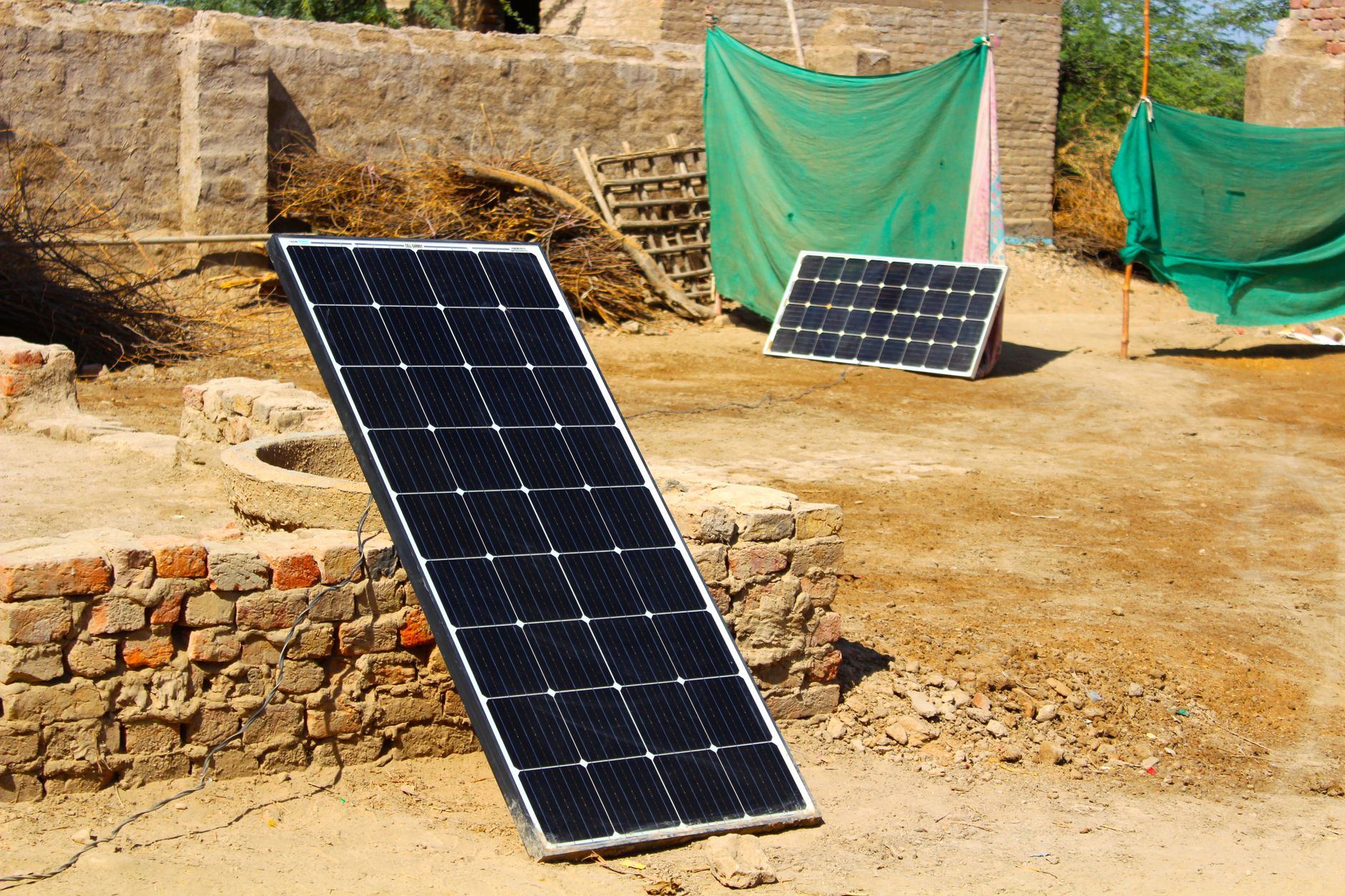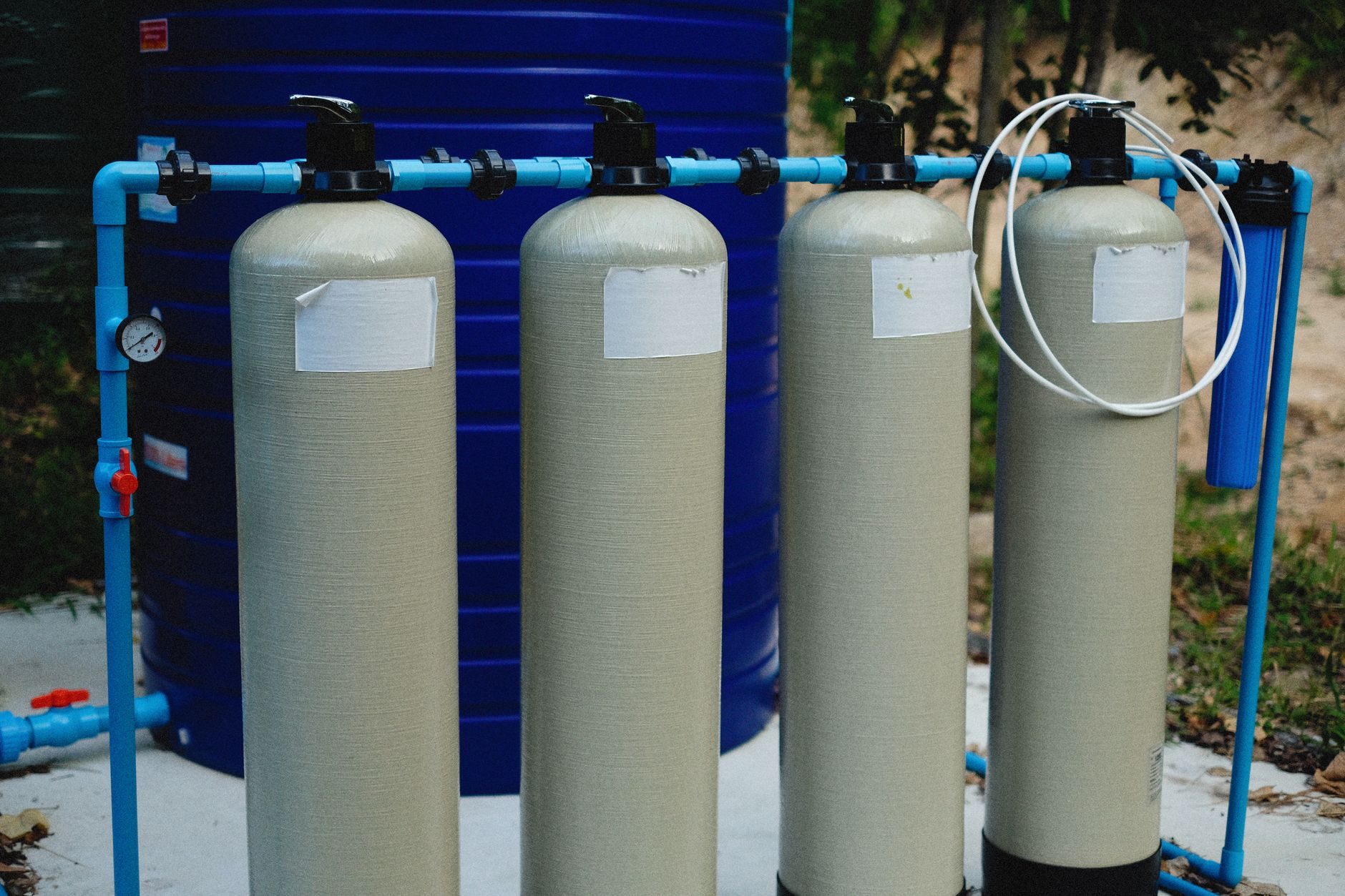
If you drink from a private well or a backcountry source, a bottle filter is not a luxury. It is a line of defense. Well water can carry bacteria, nitrates, sediment, and heavy metals that a municipal plant would normally treat. The EPA’s drinking water standards set maximum contaminant levels for over 90 substances, but the EPA does not regulate private wells. That means the responsibility sits with you. A portable bottle filter gives you point-of-use protection at the kitchen sink, in the field, or in an evacuation bag. Before you buy, test your well water quality so you know which contaminants actually need removal. A bottle that removes lead but not bacteria is wasted money if your well test shows total coliform.
We looked at five popular water bottles with filters and judged them against real-world well and off-grid conditions. We checked filter media, flow rate, replacement cost, and whether certification from NSF International or the Water Quality Association backs the claims. The WQA’s certification database helps verify that a filter meets NSF/ANSI standards for contaminant reduction. A generic 99.9 percent claim is not enough. For microorganisms, look for test data showing 99.9999% reduction of bacteria and 99.999% reduction of protozoan cysts, which is the common backcountry filter standard. These numbers matter because one untreated sip from contaminated surface water can cause giardia or cryptosporidium.
Filter bottles fall into three broad types. Hollow fiber membrane bottles physically strain bacteria and protozoa out of the water. Activated carbon bottles improve taste and reduce chlorine, some chemicals, and heavy metals. Electroadsorption or media blends, used by Grayl, target viruses, heavy metals, and chemicals in one press. Each type has tradeoffs. Hollow fiber bottles last much longer, often 1,000 to 4,000 liters, but they do not remove viruses or most dissolved chemicals. Carbon bottles are cheap but clog quickly in silty water. If your source is surface water or a shallow well, pair any bottle filter with a settling step and best water testing kits to confirm the source quality in your region.
Replacement costs are the real long-term expense. A $45 bottle can require a $15 carbon capsule every 26 gallons. Over a year, that may cost more than a best whole house water filters 2026 for a single faucet. For daily off-grid use, calculate cost per gallon. We listed filter life and current street price for each model. Prices shift, so use our Amazon links as a starting point. If you are assembling an emergency kit, also think about clean storage and rotation, not just the bottle. A filter bottle belongs in the bag only after you know it fits your source.
How Do the Top Options Compare?
| Product | Best For | Filter Type | Filter Life | Price |
|---|---|---|---|---|
| LifeStraw Go Series | Everyday trail and travel | Hollow fiber membrane + carbon | 1,000 gallons membrane; 26 gallons carbon | Check Price |
| Grayl UltraPress | Virus, heavy metal, and chemical removal | Electroadsorption + activated carbon | 40 gallons per cartridge | Check Price |
| Brita Premium Filter Bottle | Municipal and clear well water taste | Activated carbon | 40 gallons per filter | Check Price |
| Sawyer Select S3 | Bacteria and sediment in backcountry | Hollow fiber + foam adsorption | 1,500 gallons | Check Price |
| Katadyn BeFree 1.0L | Ultralight backcountry filtration | Hollow fiber membrane | 1,000 liters | Check Price |
Prices are approximate street prices and change often. Filter life assumes clear water and proper backflushing or cleaning. None of these bottles remove all contaminants; test your source first.
1. LifeStraw Go Series , Best Budget Bottle for Trail and Emergency Use
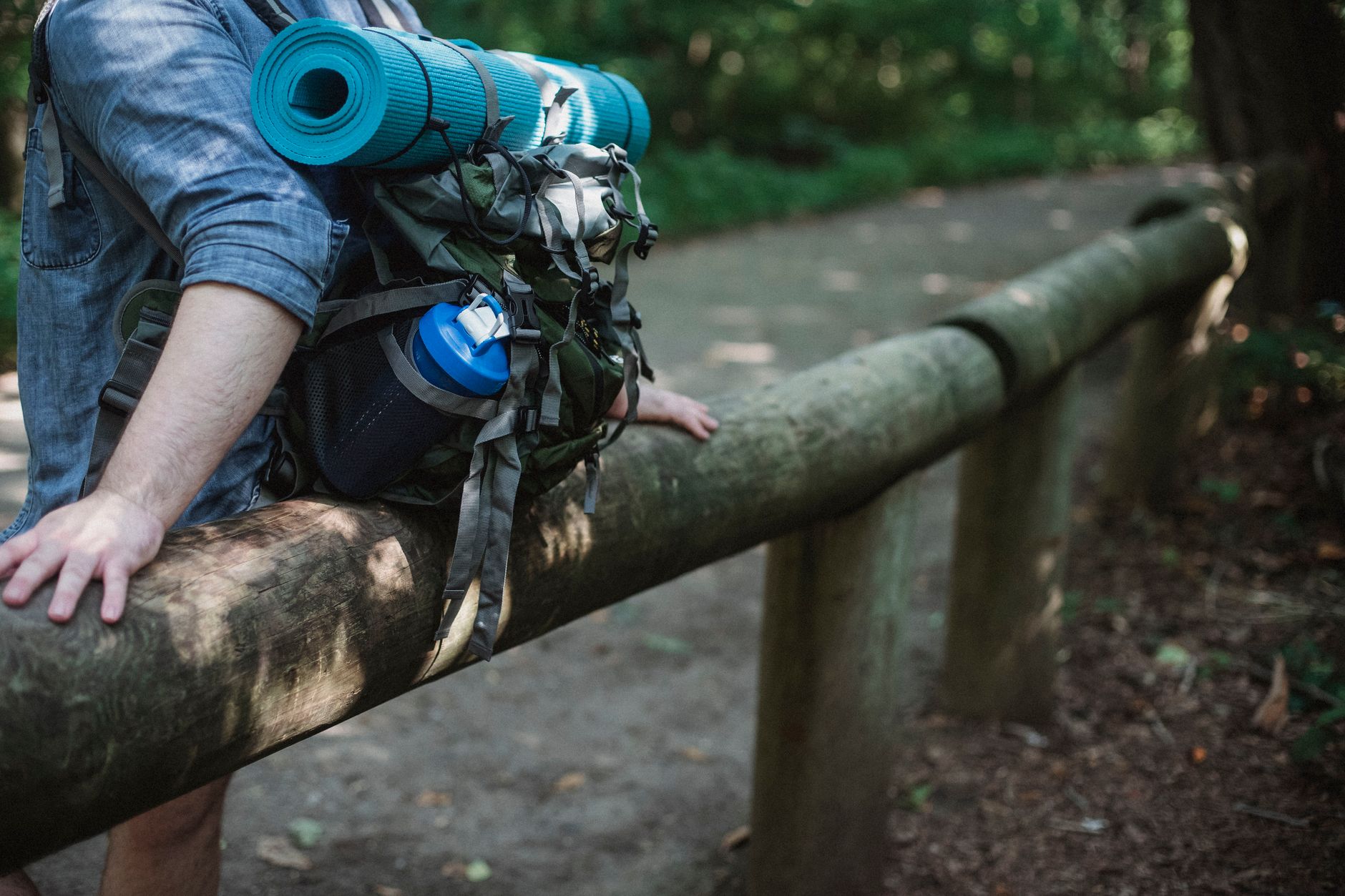
LifeStraw Go Series is the most affordable way to get hollow fiber protection in a reusable bottle. The membrane filter removes 99.999999% of bacteria and 99.999% of protozoan cysts, but it does nothing for viruses, heavy metals, or most chemicals. The carbon capsule reduces chlorine and improves taste for the first 26 gallons. That matters if you are pulling from a municipal source or stored water. For untreated well or surface water, use the membrane and replace the carbon often. The bottle holds 22 ounces and is BPA-free. Flow is slow, especially when the filter is dirty. If you are pulling from silty water, carry a prefilter or settle the water first. For emergency kits, check picks in best emergency water filters before you commit to one bottle. Check the LifeStraw Go on Amazon.
Key strengths:
- ✅ Low upfront cost compared to purifier bottles
- ✅ Long membrane life at 1,000 gallons
- ✅ Removes 99.999999% of bacteria and 99.999% of protozoa
- ✅ Carbon capsule improves chlorine taste
- ❌ Does not remove viruses or heavy metals
- ❌ Slow flow rate when filter ages
- ❌ Carbon capsule lasts only 26 gallons
Who it’s for: Choose the LifeStraw Go if you want a budget trail or emergency bottle for bacteria and sediment, not viruses or chemicals.
2. Grayl UltraPress , Best for Virus and Heavy Metal Removal
Grayl UltraPress is the closest thing to a portable water purification plant in a bottle. Instead of just filtering, it uses electroadsorption and activated carbon to remove 99.99% of viruses, 99.9999% of bacteria, and 99.9% of protozoan cysts. It also reduces heavy metals like lead, chromium, and arsenic, plus many chemicals. The EPA’s drinking water standards for lead are 15 parts per billion. A Grayl can hit well below that in many tests, but it is not a substitute for a full lab test if your well has heavy metal contamination. You fill the outer bottle, press the inner plunger down, and drink from the clean reservoir. It takes about 15 seconds to purify 16.9 ounces. The downside is cartridge life. Each replacement cartridge lasts only 40 gallons, and replacements cost around $30. That puts the long-term cost near $0.75 per gallon, high for daily drinking. For off-grid homes and travel, though, having one off-grid water systems treatment step that handles viruses is worth the cost. Check the Grayl UltraPress on Amazon.
Key strengths:
- ✅ Removes viruses, bacteria, and protozoa
- ✅ Reduces lead, chromium, arsenic, and chemicals
- ✅ Simple press-to-purify operation
- ✅ No sucking through a straw or hose
- ❌ 40-gallon cartridge life is short
- ❌ Replacement cartridges cost about $30
- ❌ Not ideal for groups due to bottle capacity
Who it’s for: Choose the Grayl UltraPress if your source is vulnerable to viruses or heavy metals and you want one press purifying.
3. Brita Premium Filter Bottle , Best for Municipal Water Taste and Everyday Use
Brita’s Premium Filter Bottle swaps heavy-duty pathogen protection for everyday taste. Its activated carbon filter reduces chlorine, particulates, and some contaminants, but it does not remove bacteria, protozoa, or viruses. For a well that tests clean but has a slight sulfur or chlorine aftertaste, that is often enough. For a well with coliform or surface water intrusion, it is not. The bottle holds 26 ounces and is slim enough for a car cup holder. Replacement filters run about $10 and last 40 gallons or two months, whichever comes first. That is roughly $0.25 per gallon. Compare that to buying bottled water at $1.25 per gallon and the math works. However, the filter only fits Brita bottles, so you are locked into one brand. It is a good companion to a whole-house system when you want portable filtered water from any tap. Check the Brita Premium Filter Bottle on Amazon.
Key strengths:
- ✅ Inexpensive replacement filters
- ✅ Improves chlorine taste and odor
- ✅ Fits car cup holders
- ✅ Easy to drink without backpressure
- ❌ No bacteria, protozoa, or virus removal
- ❌ Filter life limited to 40 gallons
- ❌ Only fits Brita bottles
Who it’s for: Choose Brita if your water source is already safe and you only want better taste and chlorine reduction.
4. Sawyer Select S3 , Best for High-Volume Backcountry Filtration
Sawyer Select S3 pairs a 0.1 micron hollow fiber membrane with a foam adsorption filter to remove bacteria, protozoa, microplastics, and some heavy metals. It does not remove viruses. The bottle is built for backcountry use where you may have to scoop from a stream. The membrane can last up to 1,500 gallons, which is enormous compared to carbon-based bottles. Sawyer recommends backflushing the filter to restore flow. One issue is the bottle itself. The plastic is not as comfortable as LifeStraw or Brita, and the cap can be fussy when the filter is wet. It is also heavier than the Katadyn BeFree. But if you want a bottle that can handle silty water and long trips, the S3 is a workhorse.
Key strengths:
- ✅ 1,500-gallon membrane life
- ✅ Reduces bacteria, protozoa, microplastics, and some metals
- ✅ Handles silty water with foam prefilter
- ✅ Can be backflushed to restore flow
- ❌ Does not remove viruses
- ❌ Bottle and cap can be awkward when wet
- ❌ Heavier than collapsible options
Who it’s for: Choose Sawyer Select S3 if you want a high-capacity backcountry bottle for bacteria and sediment.
5. Katadyn BeFree 1.0L , Best Ultralight Collapsible Bottle
The Katadyn BeFree 1.0L collapses down to the size of a fist when empty, which is a real advantage in a backpack or emergency kit. Its 0.1 micron hollow fiber filter removes 99.9999% of bacteria and 99.999% of protozoa. Flow is fast when the filter is clean. You fill the soft flask, screw on the cap, and squeeze water into your mouth or another container. The downside is longevity. The filter is rated for only 1,000 liters, about 264 gallons. In muddy or silty water, the membrane clogs and requires swishing to restore flow. The flask material is durable but can be hard to dry completely. It is not a bottle you want to toss around a truck cab every day. For long-term off-grid use, a rigid bottle may hold up better. But for weight-conscious hikers, the BeFree is hard to beat. Use it alongside how to find water in wilderness supplies as a grab-and-go filter.
Key strengths:
- ✅ Collapses to a small size when empty
- ✅ Fast flow when filter is clean
- ✅ Removes bacteria and protozoa
- ✅ Very light for backpacking
- ❌ Filter life is only 1,000 liters
- ❌ Clogs in silty or muddy water
- ❌ Soft flask can be hard to dry completely
Who it’s for: Choose the Katadyn BeFree if you want an ultralight collapsible filter bottle for hiking and fast water collection.
Frequently Asked Questions
Can a filtered water bottle make well water safe to drink?
It depends on the filter and the well water. A hollow fiber bottle removes bacteria and protozoa. Only a purifier like Grayl UltraPress also removes viruses and many heavy metals. Test your well water first to see which contaminants are present.
How often do I replace the filter in a water bottle?
Replacement varies by model. Brita filters last about 40 gallons or two months. Grayl UltraPress cartridges last about 40 gallons. LifeStraw membranes can last 1,000 gallons but carbon capsules need more frequent replacement.
Do filtered water bottles remove viruses?
Most do not. Hollow fiber filters from LifeStraw, Sawyer, and Katadyn do not remove viruses. Grayl UltraPress is designed to remove viruses through electroadsorption and carbon media.
Can I use a water bottle filter with muddy or silty water?
You can, but sediment shortens filter life and slows flow. Let water settle first or use a prefilter. Backflush or swish the filter after each use to restore flow.
Are water bottle filters better than boiling water?
Boiling is the most reliable way to kill pathogens. A filter bottle is faster and more portable but does not remove all chemical contaminants. Use both when possible for untreated water.
How much does a replacement filter cost?
Replacement filters typically cost $10 to $30. Brita filters run about $10, LifeStraw carbon capsules about $15, and Grayl replacement cartridges near $30. Cost per gallon varies by filter life.
What Should You Remember?
- Water source first: Test your well before choosing a filter bottle, because no bottle removes every contaminant.
- Pathogen claims matter: Look for test data showing 99.9999% bacteria and 99.999% protozoa reduction.
- Virus removal is rare: Only Grayl UltraPress among these options handles viruses in one press.
- Replacement cost: Calculate cost per gallon; Grayl cartridges cost about $0.75 per gallon, Brita about $0.25.
- Filter life varies: Hollow fiber bottles last 1,000 to 1,500 gallons, while carbon cartridges often last 40 gallons or less.
- Inspect and clean: Backflush or swish hollow fiber filters regularly to prevent clogging.
This article is for general information only. Water purification and storage carry health and safety risks , always follow local regulations and manufacturer guidance.