Underground water tanks matter for anyone who depends on a private well, collected rainwater, or a spring. They protect water from temperature swings, algae growth, and physical damage. The average American household uses about 300 gallons per day, with each person using roughly 82 gallons. If your pump quits or a drought lowers the water table, stored water can carry you for weeks. This guide compares five common underground tank types so you can match material, capacity, and cost to your situation. It also shows how these tanks fit into larger off-grid water systems and what installation mistakes to avoid.
The EPA’s drinking water standards set maximum contaminant levels for over 90 substances, so any tank you bury must not leach harmful chemicals into stored water. The CDC’s drinking water safety guidelines also recommend regular testing, especially for private wells. Underground tanks made from potable-rated polyethylene, concrete, fiberglass, or lined steel can meet these standards if installed correctly. Bladder tanks can work for short-term needs, but they are not a permanent solution for drinking water storage. A buried tank stays cool and dark, which slows bacterial growth, but you still need to test the water at least once a year.
Costs vary widely by material, size, and site conditions. A small 200-gallon polyethylene tank might cost $1,200 installed. A 10,000-gallon concrete cistern can exceed $20,000. Excavation, gravel backfill, and plumbing often double the tank price. Before you dig, check your frost line, soil type, and local water table. A high water table can float an empty tank if it is not anchored. Review our well drilling guide to understand how your well casing and storage tank interact. Also look at local codes for setbacks from septic systems and property lines.
We rated each tank type on four factors: lifespan, water quality impact, installed cost per gallon, and maintenance burden. We also considered whether the material can handle typical soil pressures. This is not a lab test. It is a practical field guide based on common installation practices and manufacturer specifications. Use your own water test results to decide whether you need pre-treatment or post-treatment. A buried tank should stay cool and dark, which slows bacterial growth. However, no tank eliminates the need for routine inspection and cleaning.
How Do the Top Options Compare?
| Tank Type | Best For | Capacity Range | Installed Cost | Price |
|---|---|---|---|---|
| Polyethylene | Budget and DIY installs | 200, 2,500 gallons | $1,200, $5,000 | Check price |
| Concrete | Large capacity and fire suppression | 1,000, 50,000 gallons | $3,000, $20,000+ | Check price |
| Fiberglass | Corrosive soil and low maintenance | 500, 10,000 gallons | $2,500, $12,000 | Check price |
| Steel | Very large capacities with corrosion control | 1,000, 100,000 gallons | $4,000, $25,000+ | Check price |
| Bladder or pillow | Temporary or constrained spaces | 25, 5,000 gallons | $500, $3,500 | Check price |
Prices do not include excavation, backfill, or plumbing. Always check local codes and the EPA’s drinking water standards before installation.
1. Polyethylene Underground Tanks , Best for budget-friendly, DIY-friendly installations
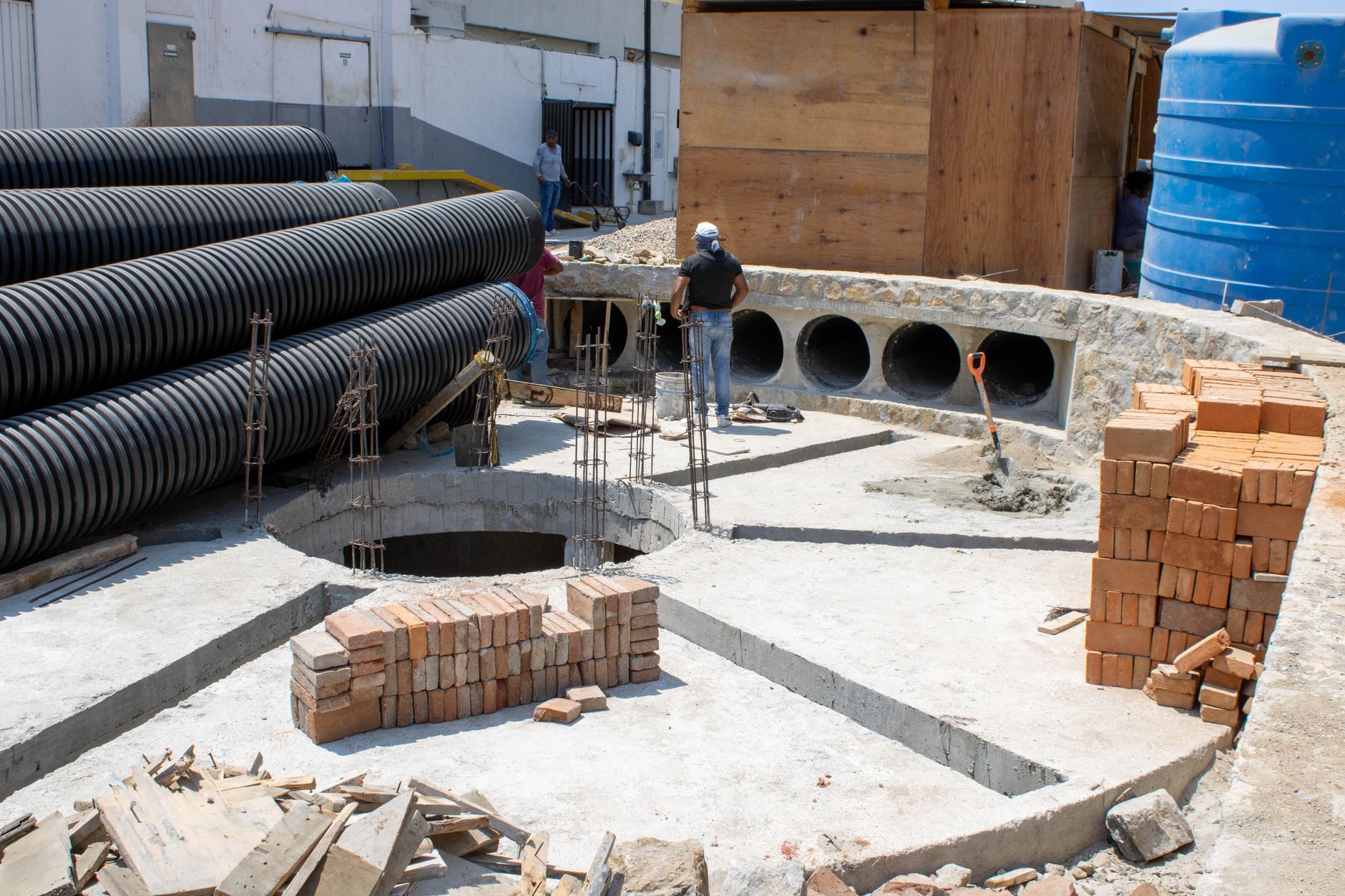
Polyethylene tanks dominate the residential market because they cost less and weigh less than concrete or steel. A 1,000-gallon poly tank costs between $1,200 and $2,800 installed, depending on excavation and backfill. The material resists corrosion and does not leach into stored water when you buy a potable-rated model. Follow the water storage tank maintenance guide to keep the interior clean and prevent biofilm buildup.
One downside is that polyethylene walls can flex under heavy soil loads. You must follow the manufacturer’s backfill instructions exactly, usually with sand or pea gravel. If you skip this step, the tank can deform or collapse. Many homesteaders pair these tanks with a whole-house filter to improve taste after long storage. Check the polyethylene underground water tank on Amazon.
These tanks work well for well water storage and rainwater collection. They range from 200 to 2,500 gallons, enough for emergency reserves or garden irrigation. For whole-house use, calculate your daily demand first. The average American uses about 82 gallons per day, so a 1,000-gallon tank provides roughly 12 days of supply for one person.
Key strengths:
- ✅ Costs less per gallon than concrete or steel
- ✅ Weighs less, so smaller excavation equipment works
- ✅ Resists corrosion and many chemicals
- ✅ Available in sizes from 200 to 2,500 gallons
- ✅ Potable-rated models meet EPA drinking water standards
- ❌ Walls can flex or collapse if backfilled incorrectly
- ❌ Shorter lifespan than concrete or fiberglass, typically 20 to 30 years
- ❌ Cannot handle very high external water table without anchoring
Who it’s for: Choose polyethylene if you want a lower-cost tank and can follow backfill specifications carefully.
2. Concrete Underground Cisterns , Best for large-capacity storage and long-term durability
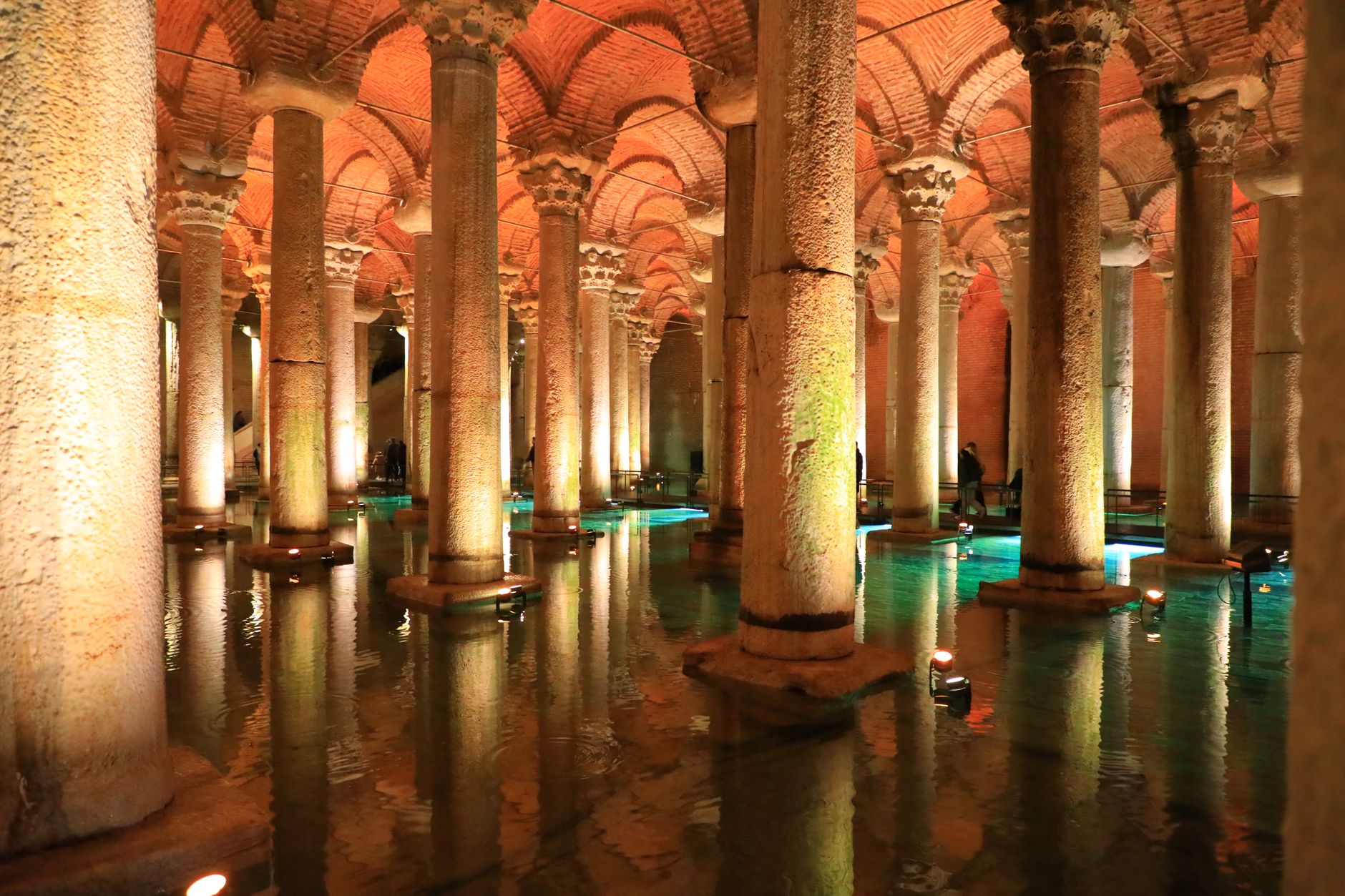
Concrete tanks are the traditional choice for farms, fire suppression, and whole-house systems over 5,000 gallons. A poured-in-place or precast concrete cistern can last 50 years or more. The material is heavy, which resists buoyancy in high water tables. However, installation requires a crane or excavator, and the cost typically starts around $3,000 for a 1,000-gallon precast unit.
Water quality in concrete tanks depends on pH. Concrete can raise the pH of stored water and add calcium, which may affect taste and scale. If your well water already has high hardness, check the water hardness explained guide. You may need a water softener or pH adjustment. The CDC’s drinking water safety guidelines recommend testing stored water regularly.
For rainwater harvesting, concrete tanks work well because the alkaline surface neutralizes acid rain. But concrete can crack over time due to settling or freeze-thaw cycles. Sealing the interior with an NSF-approved coating reduces leaching. Check the concrete underground water tank on Amazon.
Key strengths:
- ✅ Lasts 50 years or more with proper maintenance
- ✅ High weight resists flotation in saturated soil
- ✅ Can be cast in very large capacities, up to 50,000 gallons
- ✅ Alkaline surface can neutralize acidic rainwater
- ✅ Fire-resistant and suitable for fire suppression reserves
- ❌ Expensive to buy and install, often $3,000 to $20,000+
- ❌ Requires heavy equipment for placement
- ❌ Can crack and leak if not sealed or reinforced properly
Who it’s for: Choose concrete if you need 5,000 gallons or more and have site access for heavy machinery.
3. Fiberglass Underground Tanks , Best for corrosive soil and low-maintenance potable storage
Fiberglass tanks offer a middle ground between polyethylene and steel. They are strong, corrosion-resistant, and lighter than concrete. Most fiberglass tanks hold between 500 and 10,000 gallons. Installed costs range from $2,500 to $12,000. The smooth interior resists algae growth and makes cleaning easier. Test your water before and after installation with a how to test well water quality protocol.
One advantage over polyethylene is stiffness. A fiberglass tank can handle moderate external loads without as much risk of deflection. It also works in acidic or high-chloride soils that would corrode steel. The downside is price. Fiberglass costs more per gallon than polyethylene. It also can crack under point loads, so proper bedding is essential.
For off-grid systems, fiberglass tanks store well water, spring water, or rainwater without imparting taste. Make sure the tank is rated for potable use. Many manufacturers use FDA-approved resins. Check the fiberglass underground water tank on Amazon.
Key strengths:
- ✅ Corrosion-resistant in acidic or coastal soil
- ✅ Stiffer than polyethylene, less risk of wall deflection
- ✅ Smooth interior resists algae and biofilm
- ✅ Available up to 10,000 gallons
- ✅ Lighter than concrete, reducing equipment costs
- ❌ Higher upfront cost than polyethylene
- ❌ Can crack from point loads or improper bedding
- ❌ Fewer residential installers familiar with fiberglass
Who it’s for: Choose fiberglass if you have corrosive soil or want a low-maintenance potable tank with a long service life.
4. Steel Underground Water Tanks , Best for very large capacities when cathodic protection is used
Steel tanks are strong and can be fabricated in almost any size, from 1,000 to 100,000 gallons. They are common for commercial, agricultural, and fire protection systems. The main risk is corrosion. Without a cathodic protection system and an approved coating, steel will rust from the outside in. The NGWA well drilling standards note that groundwater chemistry directly affects steel tank longevity.
If you choose steel, budget for ongoing maintenance. Sacrificial anodes or impressed current systems add $500 to $2,000 to the project. You also need to inspect the tank interior every few years. For potable water, choose a tank lined with an NSF-approved epoxy. The lining prevents rust particles from entering your plumbing.
Steel tanks resist external damage better than plastic and can span longer distances without support. That makes them suitable for odd-shaped excavations. However, they are heavy and require cranes for installation. Expect installed costs from $4,000 to $25,000 or more. Look for a manufacturer that follows AWWA D103 standards for bolted steel tanks.
Key strengths:
- ✅ Very strong and can be fabricated in large capacities
- ✅ Resists external damage and heavy loads
- ✅ Can be installed in unusual shapes or deep bury conditions
- ✅ Long lifespan of 30 to 50 years with proper cathodic protection
- ❌ Corrodes without continuous cathodic protection
- ❌ Heavy, requiring cranes and reinforced bedding
- ❌ Higher maintenance costs for anode replacement and coating inspection
Who it’s for: Choose steel only if you need a very large tank and are committed to a corrosion protection program.
5. Bladder and Pillow Water Tanks , Best for temporary storage and tight crawl spaces
Bladder tanks, also called pillow tanks, are flexible containers that can be placed in a shallow excavation or even a basement. They range from 25 to 5,000 gallons and cost between $500 and $3,500. The main advantage is portability. You can empty, fold, and move a bladder tank in a single afternoon. See emergency water storage for short-term supply planning.
These tanks are not a permanent underground solution. Rodents, roots, and sharp rocks can puncture the fabric. Most models use heavy-duty polyurethane or PVC, but they still have a lifespan of 5 to 10 years. For potable use, choose a food-grade bladder. The best portable water filters can treat water after long storage.
Installation is the simplest of all options. Dig a shallow, level trench, add a sand base, and unfold the bladder. You do not need a crane or special backfill. The tradeoff is capacity and pressure. Bladder tanks are not rated for deep burial and do not provide head pressure like a tall cistern.
Key strengths:
- ✅ Low upfront cost, often under $1,000 for small sizes
- ✅ Portable and easy to relocate
- ✅ Simple installation without heavy equipment
- ✅ Available in food-grade versions for potable water
- ❌ Short lifespan of 5 to 10 years
- ❌ Puncture risk from rocks, roots, and rodents
- ❌ Not suitable for deep burial or high external loads
Who it’s for: Choose a bladder tank for temporary storage, emergency reserves, or spaces where rigid tanks cannot fit.
Frequently Asked Questions
How deep should an underground water tank be buried?
Most tanks need at least 12 to 24 inches of soil cover. Deeper burial protects against freezing and surface loads. Check the manufacturer’s maximum burial depth. Some plastic tanks cannot handle more than 4 feet of soil without reinforcement.
Do underground water tanks freeze?
Buried tanks below the frost line usually do not freeze. The frost line ranges from 0 to 6 feet depending on climate. If the tank is shallow, you may need insulation or a circulating pump. Water expands about 9 percent when it freezes, so a full tank can crack if left unprotected.
What is the best material for a potable underground water tank?
Polyethylene and fiberglass are good choices for potable water because they resist corrosion and do not leach when made with food-grade resins. Concrete works if sealed with an NSF-approved coating. Steel needs an approved liner. Always verify the tank meets EPA drinking water standards.
How long do underground water tanks last?
Polyethylene tanks last 20 to 30 years. Fiberglass and steel can last 30 to 50 years with proper maintenance. Concrete tanks often last 50 years or more. Bladder tanks have the shortest lifespan, typically 5 to 10 years.
Do I need a permit for an underground water tank?
Many counties and municipalities require a permit for tanks over a certain size, usually 500 gallons. Setbacks from septic systems, property lines, and wells are common. Check with your local building department before excavation. The NGWA recommends hiring a licensed contractor for large installations.
Can I use an underground tank for well water storage?
Yes. A well pump can fill an underground cistern through a float valve. You then use a second pump to pressurize your house. This setup works well if your well has a low recovery rate. Test the stored water regularly to ensure it meets drinking water standards.
What Should You Remember?
- Polyethylene tanks are the best budget option for most homesteads.
- Concrete tanks last 50+ years but require heavy equipment.
- Fiberglass tanks resist corrosion in acidic soil.
- Steel tanks need cathodic protection or they rust.
- Bladder tanks work for temporary storage but have a shorter lifespan.
- Test your water before and after installation to meet EPA standards.
- Excavation costs can exceed the tank price for large systems.
This article is for general information only. Water purification and storage carry health and safety risks , always follow local regulations and manufacturer guidance.