The marketing around these two devices is where most people get confused, often on purpose. Both sit in the “water treatment” aisle, both promise to fix your hard water, and both cost a meaningful chunk of money. But they solve different problems, and picking the wrong one means spending money on something that does not do what you expected. A salt-free conditioner is not just a softener without salt. It is a completely different technology with a different result.
Here is the core distinction in one sentence. A softener removes the hardness. A conditioner leaves the hardness in the water but stops it from causing scale. That difference drives everything else: how the water feels, what your fixtures look like, what you spend on salt and electricity, and whether your skin and glassware actually improve. Before you buy either, test your water to know what you are dealing with. Our guide to testing water hardness at home will get you a number in minutes, so you are not shopping blind.
This comparison breaks down how each technology works, what each one actually accomplishes, the real costs over time, and the situations where one clearly beats the other. By the end, you will know which one fits your water, your house, and your priorities.
| Feature | Salt-Based Softener | Salt-Free Conditioner |
|---|---|---|
| How it works | Ion exchange removes minerals | Template-assisted crystallization (TAC) |
| Removes hardness? | Yes | No, prevents scale instead |
| Water feels soft? | Yes, silky | No, still hard |
| Removes existing scale? | Gradually over time | No, only prevents new scale |
| Uses salt? | Yes, ongoing cost | No |
| Uses electricity? | Yes | No |
| Maintenance | Refill salt, occasional service | Almost none |
| Typical lifespan | 10–15 years | 10+ years |
Top Picks Compared at a Glance
Here are the specific models we see recommended most often in each category, with real price ranges for a typical home. Prices are for the unit before installation.
| Model | Type | Capacity | Best For | Price Range |
|---|---|---|---|---|
| SpringWell SS1 | Salt-based softener | 32k–80k grain | Whole-home softening, 1–7 bathrooms | Check on Amazon |
| Aquasure Harmony 48k | Salt-based softener | 48k grain | 4+ bathroom homes, very hard water | Check on Amazon |
| Fleck 5600SXT | Salt-based softener | 32k–64k grain | Reliable metered regeneration | Check on Amazon |
| Aquasana SimplySoft | Salt-free conditioner | Whole-home | Scale prevention with zero salt | Check on Amazon |
| iSpring ED2000 | Salt-free conditioner | Whole-home | Budget descaler | Check on Amazon |
Selecting between a softener and a conditioner is really a choice about what you want the water to do, not just which brand to buy. The SpringWell SS1 removes hardness outright, the Aquasana SimplySoft only stops it from scaling. Both are legitimate, but they solve different problems. The sections below explain the technology behind each so you can match it to your own water.
How a Salt-Based Water Softener Works
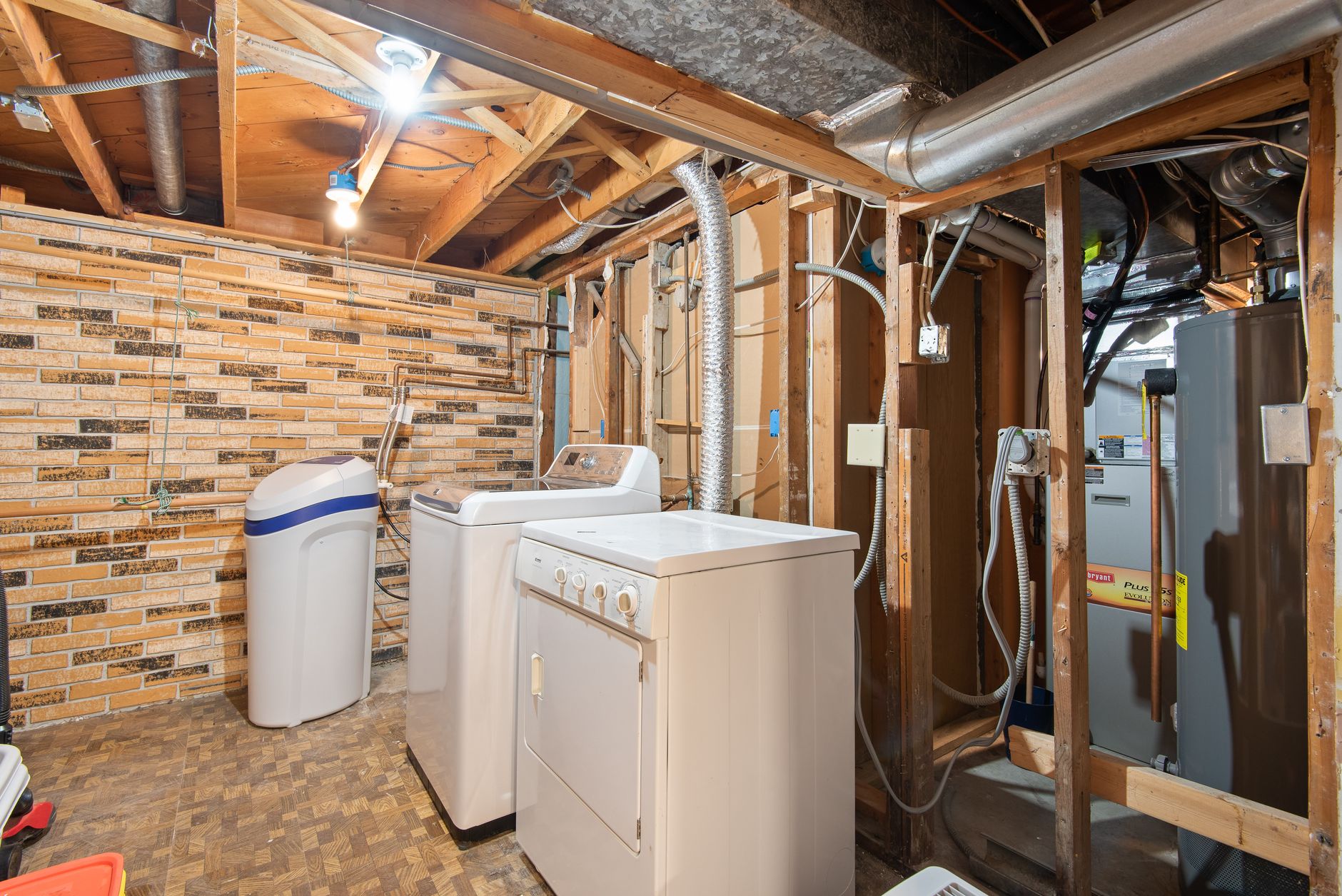
A water softener uses a process called ion exchange, and it is the only practical way to actually remove hardness from household water. Inside the softener is a resin bed, essentially millions of tiny plastic beads coated with sodium ions. As hard water flows through the tank, the calcium and magnesium ions, which carry a positive charge, are more attracted to the resin than the sodium is. They grab onto the beads and displace the sodium into the water. What comes out the other side is water with no calcium or magnesium, which is the definition of soft water.
Eventually the resin fills up with captured hardness and must be flushed clean. This is the regeneration cycle, where the softener draws concentrated salt brine through the tank to wash the calcium and magnesium away and recharge the beads with sodium. That is why softeners need salt, and it is the source of the ongoing cost and maintenance. The regeneration can happen on a timer or, on better units, on demand based on how much water you have used. The on-demand units, sometimes called demand-initiated or metered, waste far less salt and water than their timer-based cousins.
The result of all this is unambiguous. Softened water lathers easily, rinses clean, leaves no spots on glass, and protects your water heater and pipes from scale. The tradeoffs are the salt you keep buying, the electricity to run the cycle, the space and drain the unit needs, and the fact that the water picks up a small amount of sodium. For most homes with genuinely hard water, a softener is the only thing that will make the water feel soft. The SpringWell SS1 is the model we see homeowners prefer most for whole-home softening, thanks to its on-demand regeneration that cuts salt waste. To pick the right unit, see our guide to sizing a water softener.
How a Salt-Free Conditioner Works
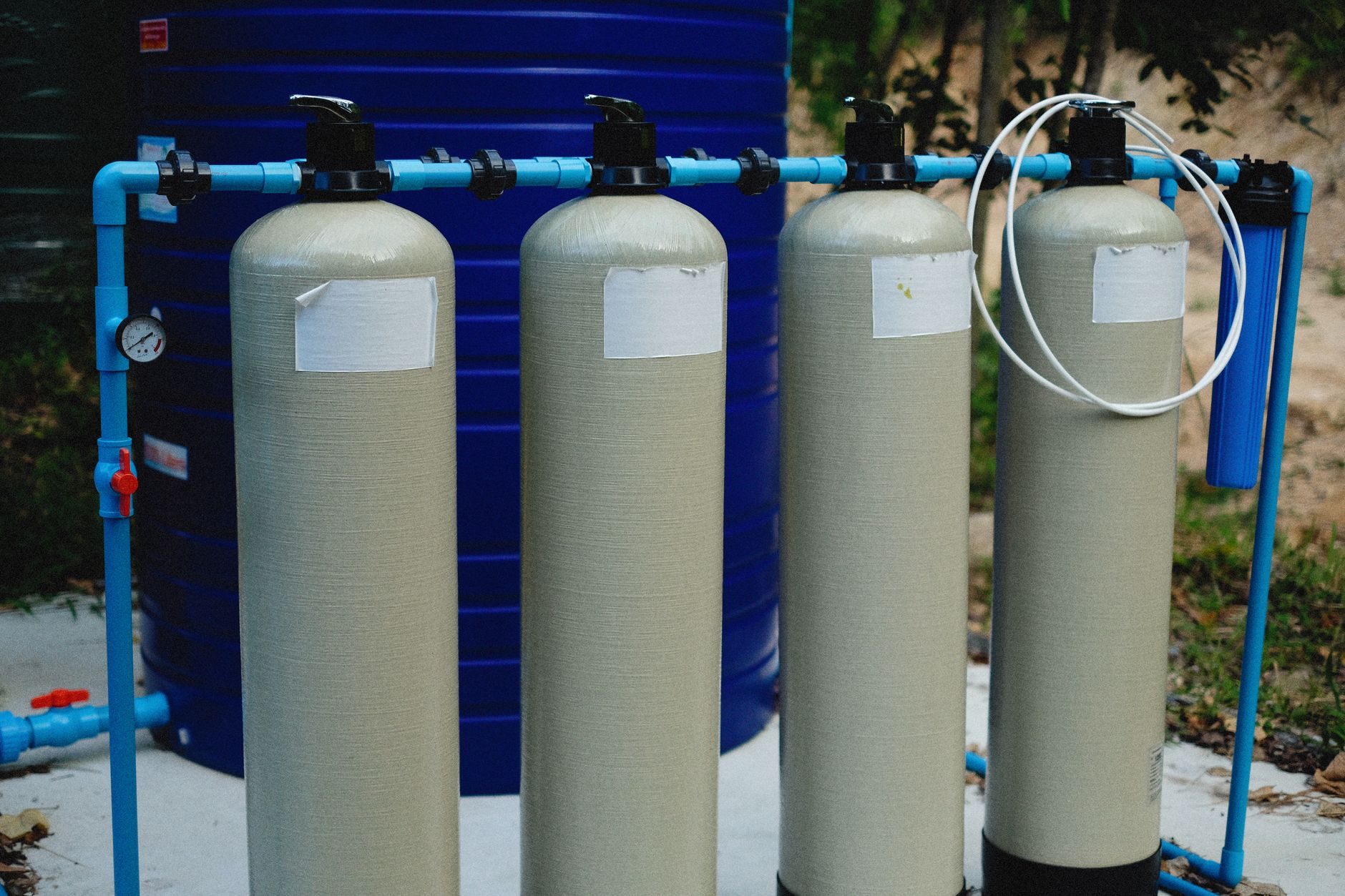
A salt-free conditioner does something entirely different, and its name is carefully chosen. You will also see it called a salt-free softener, a descaler, or a template-assisted crystallization (TAC) system. Here is what it actually does. Hard water passes through a media bed of ceramic beads, often branded with names like Template Assisted Crystallization. The calcium and magnesium are still dissolved in the water. Nothing is removed. But the beads cause the minerals to form microscopic, stable crystals that cannot latch onto pipe walls or heating elements. The water stays hard, but it loses its ability to form scale.
That distinction is the source of every honest pro and con. A conditioner genuinely does prevent new scale from forming, and it does so with no salt, no electricity, no backwash, no drain, and essentially no maintenance beyond a media replacement every decade or so. It is a compelling, low-friction device if your only real complaint is scale on fixtures and inside your water heater.
But it will not give you soft water. Your shower water will still feel hard, soap will still take more effort to lather, and glassware can still spot because the dissolved minerals are still there. A conditioner also does nothing about existing scale; it only stops new buildup. If your pipes and heater already have years of scale, a conditioner will not dissolve it. That job belongs to a softener, which gradually strips existing scale away as the softened water works through the system. For a popular no-salt option, the Aquasana SimplySoft is a widely used whole-home descaler. The Water Quality Association is a useful reference for understanding how certified softening and scale-control technologies are evaluated before you trust a vendor’s claims.
Cost, Maintenance, and What You Actually Pay For
The sticker price only tells part of the story, because a softener has a perpetual salt bill a conditioner will never have. A mid-range salt-based softener for an average home runs roughly $600 to $1,500 for the unit, plus installation if you are not doing it yourself. You will also buy bags of salt, anywhere from $5 to $10 each, and a typical family might go through five to ten bags a year depending on hardness and water use. Over ten years, that salt adds up to several hundred dollars on top of the purchase price.
A salt-free conditioner costs roughly the same up front, $500 to $1,500 for a whole-house unit, but then it is done. There is no salt to buy, no electricity to power a regeneration cycle, no drain line, and no service calls. Its operating cost is effectively zero. If your household is sensitive to recurring expenses or you simply do not want another thing to remember, that near-zero maintenance is the conditioner’s strongest selling point.
Where the softener wins on value is if you have very hard water, say above 10 GPG, and the full soft-water experience matters to you. The conditioner wins on value if your hardness is more moderate, your main complaint is scale, and you would rather not babysit a salt tank. Neither is universally cheaper. It depends entirely on your hardness number and what you are trying to fix. A primer on hard water will help you read your own situation correctly.
Which One Should You Choose?
Choose a salt-based softener when you want truly soft water. If silky skin and hair, spot-free glassware, using less soap, and protecting your water heater and appliances matter to you, and you do not mind buying salt and finding space for the tank, a softener is the honest answer. It is also the better choice if you already have scale buildup and want it to clear over time, or if your water is hard enough, above roughly 10 GPG, that a conditioner’s scale prevention alone would leave you with unpleasantly hard water.
Choose a salt-free conditioner when your only real goal is stopping scale. If you want to protect your pipes and water heater from new buildup but you do not care whether the water feels soft, a conditioner saves you salt, electricity, and maintenance. It is a great fit for someone who travels, has a vacation home, or simply wants a set-and-forget device. It also has an edge in situations where sodium in your water is a health concern, since it adds nothing to the water.
One last point that trips people up: neither device filters your water. Softeners and conditioners both leave bacteria, lead, chemicals, and sediment untouched. If you have water quality problems beyond hardness, you need actual filtration or purification on top of, or instead of, softening. Understand the full picture of what is in your water with a quality test kit before you commit to any single device.
Red Flags & Warnings
- 🚨 Do not buy a “salt-free softener” expecting soft water. It is a descaler, not a softener, and honestly marketed it does not remove hardness minerals.
- 🚨 A salt-free conditioner will not remove existing scale. If your pipes and heater are already crusted, you need a softener to clear it over time.
- 🚨 Neither device filters bacteria, lead, or chemicals. Softening and conditioning are not purification. Test your water for real contaminants separately.
- 🚨 Be skeptical of any seller who claims a descaler makes water “soft.” If the water still leaves spots and feels hard in the shower, the minerals are still there.
Frequently Asked Questions
Does a salt-free conditioner actually soften water?
No. A salt-free conditioner changes hardness minerals so they cannot form scale, but it leaves them dissolved in the water. The water remains hard, it just stops building up on surfaces. Only ion-exchange softeners remove hardness.
Is a salt-free conditioner cheaper to run than a softener?
Yes, in ongoing costs. A salt-free conditioner uses no salt, no electricity, and needs almost no maintenance, so its operating cost is near zero. A softener requires continuous salt and periodic servicing, which adds up over its lifespan.
Can a water softener remove existing scale?
Gradually, yes. As softened water flows through your plumbing and water heater, it slowly redissolves existing scale over weeks and months. A salt-free conditioner only prevents new scale, it does not clear buildup that is already there.
Which is better for very hard water, 10 GPG or more?
Usually a salt-based softener. At very high hardness, a conditioner only stops scale while the water remains noticeably hard, so fixtures, skin, and laundry will still show the effects. A softener removes the minerals and gives you genuinely soft water.
Does a water softener add sodium to my drinking water?
Yes, a small amount. Ion exchange swaps calcium and magnesium for sodium, so softened water contains a little more sodium, typically under 30 mg per liter even for hard water. If that is a concern, soften only the hot line or use potassium chloride salt.
Do I need a separate filter with a softener or conditioner?
Yes, if your water has contaminants beyond hardness. Softeners and conditioners do nothing for bacteria, lead, chlorine, or sediment. Pair one with a filtration system or purification method if your water tests show those issues.
What Should You Remember?
- A softener removes hardness, a conditioner only prevents scale, and that is the entire difference in practice.
- If you want actually soft water, with silky showers and spot-free glass, only a salt-based softener will do it.
- If you only want to stop scale, and want zero salt and maintenance, a salt-free conditioner fits.
- A conditioner cannot clear existing scale, that is a softener’s job, done gradually over time.
- Softener has ongoing salt and electricity costs, while a conditioner’s operating cost is near zero.
- Neither one filters anything, so test for contaminants separately and add filtration if needed.
- Test your hardness before choosing, the right call depends heavily on your actual GPG number.
This article is for general information only. Water purification and storage carry health and safety risks — always follow local regulations and manufacturer guidance.