If you have ever noticed white crust around your faucets, spots on your freshly washed glasses, or soap that simply will not lather, you have met hard water. It is not dangerous. In fact, the minerals that make water hard are the same calcium and magnesium your body needs. But hard water is expensive in quieter ways. It shortens the life of your water heater, clogs pipes over time, and forces you to buy more soap and detergent to get anything clean. Understanding the difference between hard and soft water is the first step toward deciding whether you care enough to fix it.
The United States Geological Survey publishes hardness benchmarks, but the real story is local. Water picks up hardness minerals as it moves through limestone and chalk deposits underground. That means a well in limestone country can produce extremely hard water, while a city drawing from a soft surface reservoir produces almost none. Roughly 85% of American homes have some degree of hard water, according to the USGS Water Science School. Your job is to figure out which side of that line you fall on, then decide if it is worth treating. If you want to measure yours right now, our guide to testing water hardness at home walks through every method.
Before you buy any equipment, it helps to understand what hardness actually is, how it compares to soft water, and what that means for your home. This article breaks down both in plain terms, gives you the numbers that matter, and tells you how to find out which one is coming out of your tap.
| Characteristic | Hard Water | Soft Water |
|---|---|---|
| Mineral content | High calcium + magnesium | Low or removed minerals |
| Measurement | 7+ GPG (or 120+ mg/L) | Under 1 GPG (or under 17 mg/L) |
| Soap lather | Poor, needs more soap | Rich, easy lather |
| Fixture appearance | White scale, spots | Clean, spot-free |
| Appliance lifespan | Shortened by scale | Longer |
| Drinking safety | Safe | Safe (mildly higher sodium if ion-exchange softened) |
| Feel on skin | Can feel drying | Silky, slick |
Where Does Water Hardness Come From?
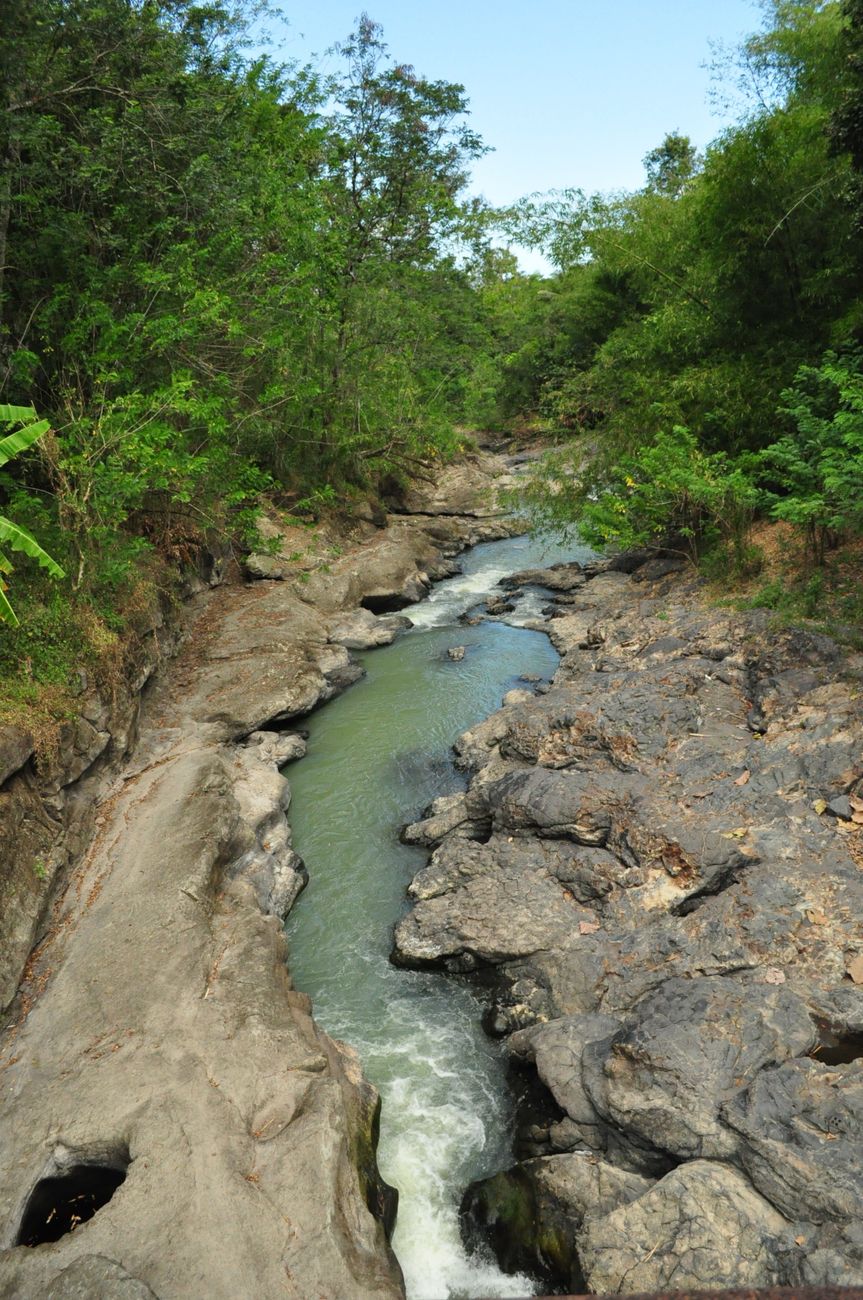
Hard water is a geology problem, not a contamination problem. Rainwater starts out soft and slightly acidic. As it falls and soaks into the ground, it passes through soil and rock, dissolving minerals along the way. The two minerals that matter for hardness are calcium and magnesium, which water leaches from limestone, gypsum, and dolomite deposits. The longer the water sits against that rock, and the more of that rock is present, the harder the water becomes.
This is why geography predicts water hardness so reliably. The Midwest and Southwest United States, plus large parts of Texas and Florida, sit on heavy limestone and consistently produce hard to very hard water. The Pacific Northwest, much of New England, and the coastal Southeast pull from softer sources and measure much lower. Groundwater from a well drilled into limestone will almost always be harder than river or reservoir water, which spends less time underground. Even within a single city, two homes can get different numbers depending on whether the utility blends groundwater with surface water.
Hardness is classically reported in grains per gallon (GPG) in the US, and milligrams per liter or parts per million (mg/L) in most of the rest of the world. The conversion is simple: one GPG equals just over 17.1 mg/L. A home at 10 GPG is the same as a home at 171 mg/L. The Water Quality Association classifies water as slightly hard at 1 to 3.5 GPG, moderately hard from 3.5 to 7, hard from 7 to 10.5, and very hard above 10.5 GPG. Anything under 1 GPG is generally considered soft.
What Hard Water Does to Your Home
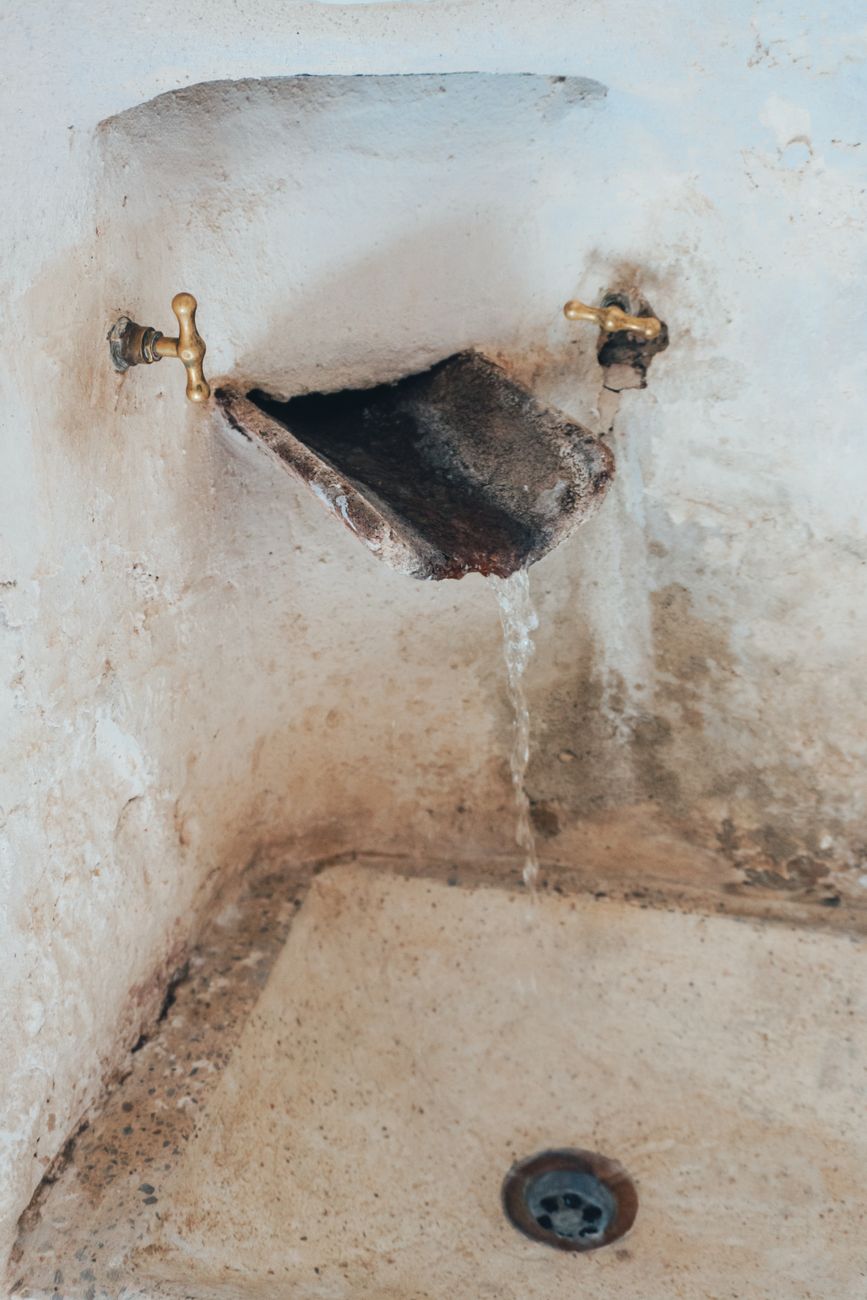
The symptoms of hard water are easy to spot once you know what you are looking for. First, there is scale. Hard water leaves white, chalky mineral deposits on faucets, shower heads, glassware, and the inside of your kettle. That scale is dissolved calcium and magnesium re-solidifying when the water evaporates or heats up. It is the same crust you see building up inside a tea kettle, just slower and more destructive inside your pipes and water heater.
Second, hard water sabotages cleaning. The calcium and magnesium react with the fatty acids in soap to form a sticky, insoluble film we call soap scum. That is why you need extra detergent to get a decent lather, why your hair feels stiff after a shower, and why your clothes come out of the wash looking dull and gray over time. Soft water, by contrast, lets soap do its job with less product and rinse away clean.
Third, there is the invisible cost. The Department of Energy notes that scale buildup in a water heater acts as an insulator, forcing the tank to work harder and use more energy. A hard-water home spends more on energy, replaces the water heater sooner, and pays more in detergent and soap every single year. For a look at whether whole-house treatment makes financial sense, our breakdown of the water softener vs salt-free conditioner trade-off lays out the costs side by side.
None of this means hard water is unhealthy. The World Health Organization has found no convincing evidence that the calcium and magnesium in drinking water cause harm, and some studies even suggest hard water contributes a small amount of useful dietary minerals. The problem is financial and cosmetic, not medical.
What Is Soft Water, Actually?
Soft water is simply water that contains little to no dissolved calcium and magnesium. It can be naturally soft, like rainwater or water from granite and sandstone aquifers, or it can be made soft through treatment. That distinction matters, because the two kinds of soft water behave a little differently.
Naturally soft water is just rainwater that never picked up much mineral load. It is what you get from a soft surface reservoir or a well in non-limestone geology. This water feels clean and lathers easily, and it carries no added sodium. The downside is that natural softness often comes with its own chemistry quirks. Soft water can be slightly acidic and, if it sits in contact with lead or copper plumbing, it can leach those metals more readily than hard water does. That is one reason cities with naturally soft water still monitor corrosion carefully.
The other kind of soft water is softened water, produced by an ion-exchange water softener. A softener swaps the hardness ions (calcium and magnesium) for sodium or potassium ions. The water that comes out is genuinely soft, but it now contains a small amount of added sodium. For most adults, that is nutritionally trivial, though it is worth knowing if you cook for someone on a strict sodium-restricted diet. If you have questions about reading a water quality report, the sodium figure is usually right there in the fine print.
The feel of soft water surprises people the first time. Your skin can feel almost slick or slippery in the shower, and you may feel like you cannot fully rinse soap off. You are not leaving soap behind. Skin naturally holds some oils, and without hardness minerals to bind to, that natural oil layer stays put. Most people stop noticing the difference within a couple of weeks.
How to Tell Which One You Have
You can spot hard water with a few quick at-home checks without buying anything. Fill a clear bottle halfway with tap water, add a few drops of pure liquid dish soap, cap it, and shake hard. If the water stays mostly flat with a thin, milky layer of suds, you have hard water. If it produces a thick head of foam right away, your water is on the softer side. Hard water also leaves that telltale white scale, while soft water leaves glassware spot-free even without rinse aid.
For a precise number, you have two solid options. A home test strip kit costs under $20 and gives you a hardness reading in about a minute. A professional lab test, which you can order yourself or get through a water testing kit service, gives you a certified result plus a full breakdown of other minerals. Municipal customers can also start with their local Consumer Confidence Report, which many utilities now include hardness data in. If you are on a private well, you are your own utility, and testing falls to you.
Once you know your number, you can decide what to do with it. Hardness under about 3 GPG rarely justifies a whole treatment system. Above 7 GPG, most homeowners start to see real benefits from softening. And in between, it is a judgment call based on how much the scale and soap scum bother you. If you do decide to treat, the next question is what size water softener you need.
Red Flags & Warnings
- 🚨 Softened water is not the same as filtered water. A softener removes hardness minerals, not bacteria, lead, or chemicals. Do not confuse softening with purification.
- 🚨 If you have very soft, corrosive water, check for lead and copper leaching, especially in older homes with metal plumbing. Soft water can be more aggressive on pipes.
- 🚨 Hard water scale inside a water heater is a real efficiency killer, but never try to chip scale out of a tank or element yourself unless you know exactly what you are doing. Call a plumber.
- 🚨 If you are on a sodium-restricted diet, choose a potassium-based softener salt or soften only the hot line, not the drinking taps.
Frequently Asked Questions
Is hard water safe to drink?
Yes. The calcium and magnesium that make water hard are essential minerals, and there is no health risk from consuming them. The downsides of hard water are scale buildup, poor soap performance, and faster appliance wear, not health effects.
What is considered hard water in GPG?
The Water Quality Association classifies water as slightly hard at 1 to 3.5 GPG, moderately hard at 3.5 to 7 GPG, hard at 7 to 10.5 GPG, and very hard above 10.5 GPG. Under 1 GPG is generally soft.
Does hard water dry out your skin?
It can feel that way. The minerals in hard water combine with soap to leave a film on your skin, which can make skin feel dry, tight, or itchy and can aggravate conditions like eczema. Soft water does not leave that film.
Can I make hard water soft without a softener?
You cannot remove hardness without some form of ion exchange or reverse osmosis, but you can treat the symptoms. Descaling additives, vinegar soaks, and rinse aids address scale and spots without softening the water itself. For whole-home softness, a softener or a salt-free conditioner is the usual route.
Does softened water taste salty?
Usually not noticeably. A softener adds only a small amount of sodium, typically under 30 mg per liter even for very hard water. Most people cannot taste the difference, though a small minority report a mildly different mouthfeel.
Why does soft water feel slippery?
That slick feeling is your skin’s natural oils staying in place. Hard water binds with soap and minerals to leave a film, so you associate that film with “clean.” Soft water does not leave the film, so your skin feels smoother and can seem like soap is not rinsing off, even when it is.
What Should You Remember?
- Hardness is dissolved calcium and magnesium, measured in GPG or mg/L, and it comes from the geology your water passes through.
- Hard water is safe to drink, but it builds scale, shortens appliance life, and makes soap less effective.
- Soft water cleans better but naturally soft water can be more corrosive, and ion-exchange softened water adds a little sodium.
- The slippery feeling is normal, not a sign that soap is still on your skin.
- Test before you treat, a cheap strip kit can tell you your hardness in under a minute.
- Hardness and contamination are unrelated, softening is not filtering, so do not skip well water testing just because you installed a softener.
- Only treat what bothers you, under 3 GPG rarely needs a system, while 7 GPG and above usually justifies one.
This article is for general information only. Water purification and storage carry health and safety risks — always follow local regulations and manufacturer guidance.