Off-grid hot water is the part of a homestead build that most people underestimate. A standard showerhead flows 2.5 gallons per minute, so a ten minute shower pulls 25 gallons out of your tank before anyone has washed a single dish. Run that math for a family of four and you land between 40 and 60 gallons of hot water a day, every day, in every season. Wood is one of the few fuels you can cut, dry, and store on your own land, which is why wood burning hot water heaters keep showing up in cabins, workshops, and full time off-grid homes. The trick is picking a design that matches how you actually live, because a batch rocket coil and a 200,000 BTU gasification boiler are not interchangeable. If you are still mapping out the rest of your supply, start with this overview of off-grid water systems before you buy anything.
Here is how these six systems were compared. Heat output in BTUs per hour, because that number tells you how fast you can recover a tank. Firewood consumption per season, measured in cords of seasoned hardwood, which runs roughly 20 million BTU per cord at 20 percent moisture content. Whether the system is open or pressurized, since that one detail decides whether the water is potable. Then storage volume, freeze risk, and how much of the work happens while you sleep. Heating 40 gallons of cold well water from 55 to 120 degrees Fahrenheit takes about 21,700 BTU, so any heater rated under 20,000 BTU per hour is a batch machine, not an endless supply. The EPA’s drinking water standards set maximum contaminant levels for more than 90 substances, and wood fired hardware removes none of them. If your supply comes from a private well, test your water quality first before you decide how to heat it.
Safety is where wood fired hot water gets interesting, and where a lot of DIY builds quietly fail. An open tank sitting at 90 degrees for weeks is a warm, oxygenated pond for bacteria and sediment. The CDC’s drinking water guidance is blunt about storage: keep it clean, keep it covered, and keep hot water hot. Legionella grows best between 90 and 108 degrees, which is exactly where a poorly managed batch tank idles by mid afternoon. Hold storage at 120 degrees or higher and use a thermostatic mixing valve at the tap to bring the delivery temperature down to a safe range. Sediment is the second problem. Wood ash, hard water scale, and iron all settle in the bottom of a batch tank, and that sludge insulates the very coil you are trying to heat with. A yearly flush and a look inside is the difference between a system that lasts twenty years and one that rots out in six. A water storage tank maintenance routine keeps both problems in check.
You do not have to pick one design and live with it forever. The most reliable off-grid setups pair a wood fired heater with an insulated storage tank, then add solar thermal, propane, or an electric element as backup for the weeks in spring and fall when you would rather not build a fire for a shower. The pattern repeats across all six systems here: heat water hard for a few hours, store it in a heavily insulated tank, and draw from that tank for the next day. That is the whole strategy. Freeze protection decides the rest. Any loop running through a shed, a crawlspace, or an unheated pump house needs a plan before the first hard frost. Read up on how to winterize water systems if you are building somewhere with real winters, and budget the extra drain valves and glycol now rather than after a cracked coil.
How Do the Top Options Compare?
| System | Best For | Typical Output | Firewood Use | Storage | Check Price |
|---|---|---|---|---|---|
| Rocket stove batch heater | Budget DIY, one or two people | 25,000 to 40,000 BTU/hr | 0.5 to 1 cord per season | Open 30 to 55 gallon tank | Check price |
| Side-arm coil on a woodstove | Pressurized household hot water | 20,000 to 30,000 BTU/hr | Rides the stove’s existing fire | 40 to 80 gallon indirect tank | Check price |
| Outdoor wood gasification boiler | Whole house plus outbuildings | 100,000 to 200,000 BTU/hr | 4 to 8 cords per winter | 300 to 1,000 gallon storage | Check price |
| Wood cookstove with water jacket | Kitchen heat and hot water together | 15,000 to 25,000 BTU/hr | 2 to 4 cords per season | 30 to 50 gallon gravity tank | Check price |
| Barrel stove coil in a stock tank | Livestock, laundry, wash water | 30,000 to 60,000 BTU/hr | 1 to 2 cords per season | 50 to 150 gallon stock tank | Check price |
| Portable wood fired kettle | Camp, cabin, drinking water | 1 to 2 liters per burn | Twigs and kindling only | None | Check price |
Output ratings are real world ranges for seasoned hardwood at 20 percent moisture content, not manufacturer test numbers. Firewood use assumes a cold climate and a household of two to four people. Any system that heats water in an open vessel is not a potable water source without separate treatment, no matter how clean the fire burns.
1. Rocket Stove Batch Water Heater , Best Budget DIY Build for One or Two People
A rocket stove water heater is a J-tube combustion chamber with a vertical riser, and a copper coil either wrapped around that riser or set directly into the hot gas path. Heat that would normally vanish up the chimney gets captured by the coil instead, and thermosiphon carries it into an open 30 to 55 gallon tank sitting above the stove. Feed it wrist thick sticks and it burns clean, with almost no visible smoke once the riser is up to temperature.
Performance is honest but limited. A well built rocket coil with about 15 feet of copper delivers roughly 25,000 to 40,000 BTU per hour during a hard burn. Since raising 40 gallons from 55 to 120 degrees takes about 21,700 BTU, you are looking at 40 to 60 minutes of steady feeding to fill one tank. That is a real chore, and it is the tradeoff for a build that costs less than most plumbing repairs. Check the StoveTec rocket stove on Amazon if you want a proven combustion core to build around instead of fabricating a burn tunnel from scratch.
The water is not potable unless you treat it separately. Open tanks collect dust, insects, and whatever drifts through a shed window, and you cannot pressurize an open tank without converting the whole system. Scale builds up on the outside of the copper coil and slowly kills heat transfer, so plan on a yearly descale. Do not plumb a rocket batch system into your drinking water line.
Key strengths:
- ✅ Lowest upfront cost of any system here, and often built from scrap metal
- ✅ Burns small diameter wood and brush you would otherwise pile and burn
- ✅ No electricity, no pump, and no controls, so it works in a total grid outage
- ✅ Very clean burn once the riser reaches temperature
- ✅ Simple enough to repair with a wrench and a length of copper
- ❌ Batch only, since hot water stops the moment you stop feeding the fire
- ❌ Open unpressurized tank means the water is not safe to drink
- ❌ Copper coil needs an annual descale or output drops noticeably
Who it’s for: Someone with more time than money who needs wash water and sponge baths at a cabin for one or two people.
2. Side-Arm Coil on a Woodstove , Best for Pressurized Household Hot Water
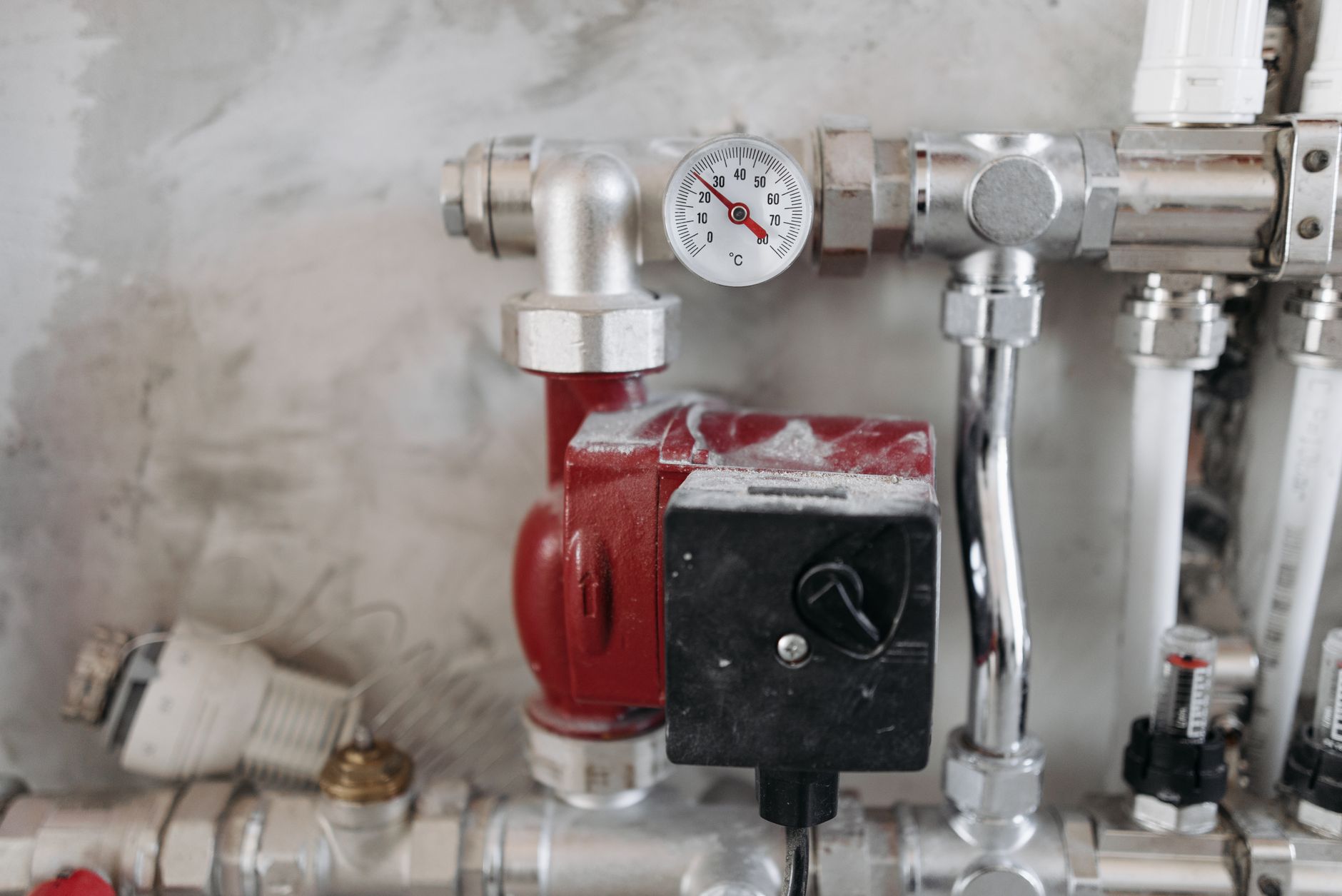
A side-arm heat exchanger or water coil turns the woodstove already heating your house into a hot water source. Copper fins or a bent coil sit in the firebox or the flue collar, and two pipes carry water to an indirect tank nearby. Pitch the hot leg slightly upward and the loop runs on thermosiphon alone, with no pump and no power draw. This is the only design in the group that delivers potable, pressurized hot water with zero electricity.
Recovery runs 20,000 to 30,000 BTU per hour while the stove is burning hot. That sounds slow, and it is, but it is heat you were already making. A 40 gallon indirect tank refills in roughly 90 minutes of good fire in a cold house. Oversizing the coil is the classic mistake. Pull too much heat out of the firebox and you cool the fire, dump creosote into the chimney, and smoke out the yard. Check the wood stove water heater coil on Amazon to see the sizes that actually match a residential stove.
There are two failure modes worth knowing. First, a hot fire with no draw can flash the loop to steam, so you need a pressure and temperature relief valve on the tank and an aquastat wired to a dump zone or a circulator. Second, if the loop runs through an unheated space, it needs glycol or a drain down valve. Skip either one and a February cold snap will find the weakest pipe in your system.
Key strengths:
- ✅ Potable and pressurized, plumbed straight into a standard indirect tank
- ✅ No pump, no electricity, and no moving parts in the thermosiphon loop
- ✅ Costs almost nothing in extra firewood because the stove burns anyway
- ✅ Keeps working during long grid outages
- ✅ Uses hardware most plumbers already understand
- ❌ Slow recovery, so a large family can outdraw it on back to back shower mornings
- ❌ Overheating risk if the fire runs hot while nothing is drawing heat
- ❌ Only produces water when you are already heating the house
Who it’s for: A household that already heats with wood and wants potable hot water without maintaining a second fire.
3. Outdoor Wood Gasification Boiler , Best for Whole House and Outbuildings
An outdoor wood gasification boiler is the heavy end of this category. The firebox burns wood in two stages, pushing efficiency to around 80 percent compared with the 40 to 50 percent that old smoke dragon boilers managed, which is where outdoor wood furnaces earned their reputation. Heat travels through a buried, insulated loop that feeds the house, the shop, and the domestic hot water tank.
Pair it with a 300 to 1,000 gallon storage tank and you can batch burn, meaning one hot fire every day or two instead of a smoldering fire all night. A unit this size burns four to eight cords of seasoned hardwood per winter, more if the wood is wet. Wet wood is the single biggest reason these systems underperform. Split, stack, and dry for a full year, because a boiler fed 30 percent moisture wood burns a large share of its output just boiling that water off.
A gasification boiler needs dry fuel, real chimney height, and a storage tank to hit its rating. It also carries the highest upfront cost of the six, needs a permit in many jurisdictions, and smokes visibly on cold startup. If your well water is hard or iron heavy, protect the domestic coil with a softener and run the household side through filtration matched to your test results, such as the units in this guide to whole house water filters.
Key strengths:
- ✅ Around 80 percent efficiency, roughly double the old outdoor boiler designs
- ✅ One fire every day or two when paired with a large insulated storage tank
- ✅ Heats the house, the shop, and the domestic hot water from a single firebox
- ✅ Keeps smoke, ash, and mess out of the living space
- ✅ Indirect tank keeps household water potable and pressurized
- ❌ Highest upfront cost of the six systems and a long payback period
- ❌ Needs four to eight cords of truly dry wood, plus permits and setbacks
- ❌ Visible smoke on startup that neighbors do notice
Who it’s for: A full time rural or off-grid household with multiple buildings, a woodlot, and space to season cords of firewood.
4. Wood Cookstove with Water Jacket , Best for Kitchen Heat and Hot Water Together
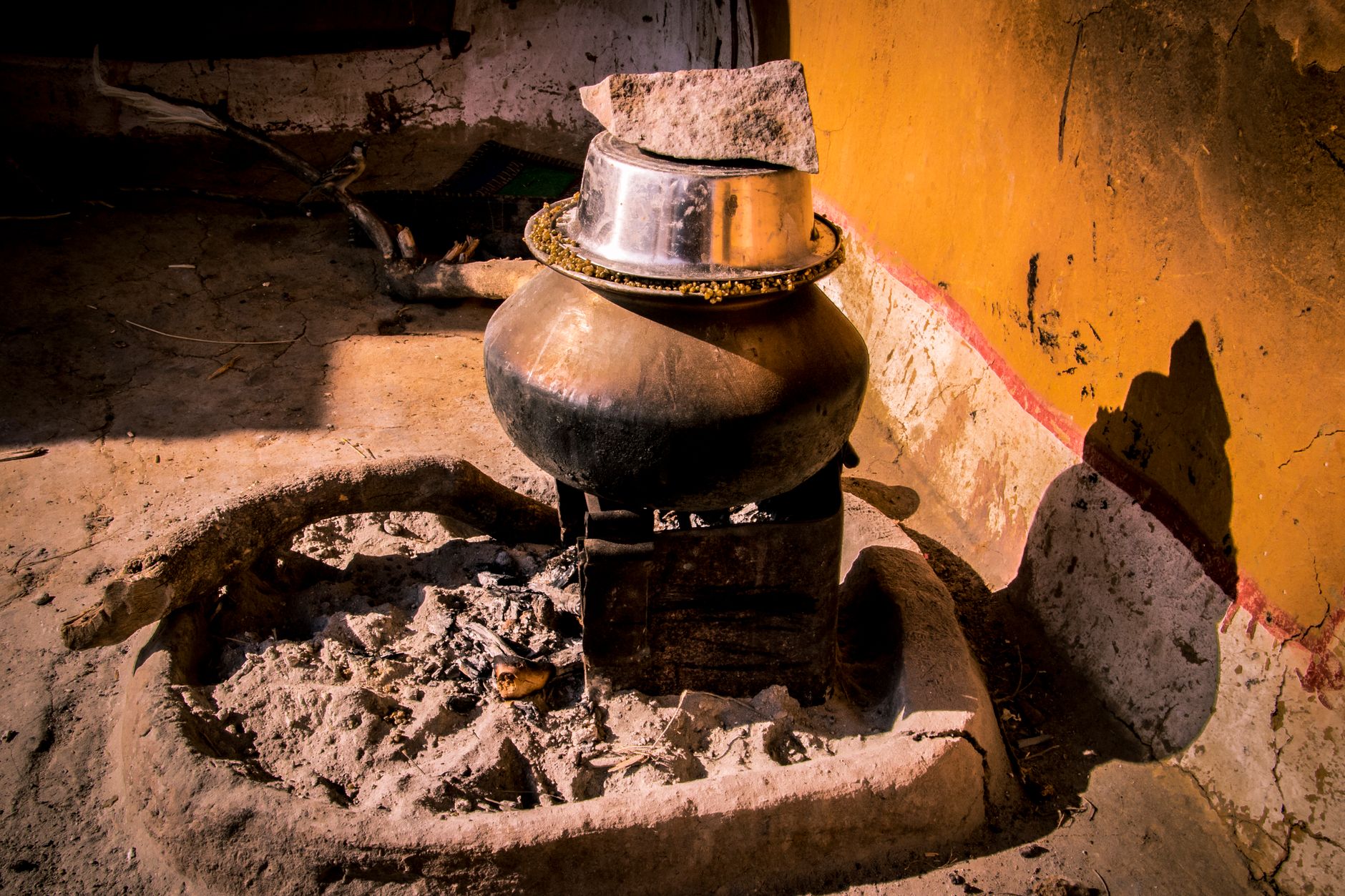
A cookstove with a water jacket wraps a water chamber around the firebox, usually on the back or one side. Gravity does the rest. Hot water rises from the jacket into a 30 to 50 gallon tank mounted above the stove, cooler water falls back down, and the loop circulates without a pump, a thermostat, or a wire in sight. Output lands between 15,000 and 25,000 BTU per hour, and a working kitchen stove burns two to four cords a season.
The catch is heat stealing. Every BTU that goes into the jacket is a BTU that does not go into the oven, and a stove with a large water jacket bakes poorly. Homesteaders who cook bread in a wood oven learn this fast and either size the jacket small or run the stove hot enough to compensate. The second catch is far more serious. A water jacket must never run dry. Empty a hot jacket and the steel warps or cracks, which usually totals the stove.
Where this design shines is in a cold climate kitchen. You are already burning wood to cook and take the chill off the room, so the hot water is close to free. Tanks sit above the stove on a stand or in the wall behind it, and a simple tempering valve at the outlet keeps the tap water from scalding. It is the least technical system here and the one most likely to still be running in thirty years.
Key strengths:
- ✅ Heats the kitchen and the water supply from one fire
- ✅ Pure gravity loop with no pump, power, or electronics
- ✅ You cook dinner while the tank fills, so the fuel does double duty
- ✅ Extremely durable and easy to service with basic tools
- ✅ Quiet operation with no fans or circulators running
- ❌ Water jacket steals heat from the oven and hurts baking performance
- ❌ Running the jacket dry will warp or crack the stove
- ❌ Low output and long recovery compared to a dedicated boiler
Who it’s for: A homestead kitchen that already cooks on wood and wants a gravity fed hot water tank sitting right behind the stove.
5. Barrel Stove Coil in a Stock Tank , Best for Livestock, Laundry, and Wash Water
This is the blunt instrument of the group, and it works. A barrel stove sits under or beside a 50 to 150 gallon stock tank, and a copper or stainless coil sits submerged in the water. Fire the stove and the tank warms within an hour, delivering 30,000 to 60,000 BTU per hour into a large volume of water. One to two cords a season keeps it running through winter on most homesteads.
The water is not for drinking, and it should not be. Open stock tank water collects ash, dust, hay, and whatever the dog drags in. Use it for livestock buckets, laundry, boot washing, and cleanup water, or dump it into a separate tank for washing. Keep animals from drinking straight out of the hot end, because water at 120 degrees will scald a muzzle.
Evaporation is the hidden cost. A hot open tank loses a surprising amount of water to steam every day, so you are refilling constantly unless you cover it. Bare steel tanks also rust from the inside out when they sit warm and wet, which is why stainless or galvanized is worth the extra money. Build a simple lid with a hinge and you solve both problems at once.
Key strengths:
- ✅ Cheapest way to heat a large volume of non-potable water
- ✅ Fast to build with a barrel stove kit and a coil
- ✅ Handles laundry, livestock, and cleanup water without touching the house plumbing
- ✅ Works with scrap wood, pallets, and mill ends
- ✅ No potable water risk because it never touches your drinking supply
- ❌ Not potable under any circumstances and must stay off the drinking line
- ❌ Scalding risk for livestock and children around an open hot tank
- ❌ Constant evaporation and rust on bare steel tanks
Who it’s for: A working homestead with animals, a lot of dirty laundry, and no interest in running potable hot water to the barn.
6. Portable Wood Fired Kettle , Best for Camp, Cabin, and Emergency Drinking Water
A double walled wood fired kettle is the smallest system here and the only one that reliably produces safe drinking water on its own. Twigs and pinecones go in the base, fire shoots up the chimney in the middle, and water in the outer jacket boils in three to five minutes. A single burn makes one to two liters, which is enough for coffee, a meal, or two people at camp.
Where this earns its place is disinfection. Bringing water to a rolling boil kills bacteria, viruses, and protozoa, which matters when you are pulling from a creek, a roof catchment, or an unfamiliar well. It is also the smallest possible answer to the question of hot water in a total outage. No pump, no tank, no plumbing, no power.
The limits are obvious once you use one. Two liters does not wash a person, let alone four people. The outer wall gets hot enough to burn skin, so it stays on the ground or on a stable rock. And you are feeding it constantly, a handful of twigs at a time. Treat it as a drinking water and cooking tool, not a shower system. For anything larger, you need one of the tank based designs above, and for anything questionable coming out of a well, work through proper water purification methods rather than assuming a boil covers every contaminant. Check the Kelly Kettle on Amazon to see the sizes available.
Key strengths:
- ✅ Boils one to two liters in three to five minutes on twigs alone
- ✅ No fuel cost, no electricity, and no moving parts to fail
- ✅ Produces genuinely safe drinking water through boiling
- ✅ Small enough to pack into a vehicle or a backpack
- ✅ Burns well in wind, which is where most camping stoves struggle
- ❌ Tiny batch size that cannot support washing or showers
- ❌ Hot outer wall is a burn hazard around kids and pets
- ❌ Requires constant feeding with small twigs and pinecones
Who it’s for: Campers, cabin owners, and preppers who need reliable drinking water and a hot drink without any infrastructure.
Frequently Asked Questions
Can a wood burning hot water heater run a whole house?
Yes, but only the boiler style systems do it well. An outdoor gasification boiler paired with an insulated storage tank carries showers, laundry, and dishwashing for a family. Rocket coils, cookstove jackets, and portable kettles are batch heaters and will run out mid shower.
Is water from an open wood fired tank safe to drink?
No, not without treatment. Open tanks collect dust, insects, and ash, and they sit in the temperature range where bacteria multiply fastest. Keep drinking water in a separate covered and treated tank, and never plumb an open batch system into your household drinking line.
How much firewood does a wood fired water heater burn?
A side-arm coil on a stove you already burn adds almost nothing to your woodpile. A dedicated cookstove jacket or barrel stove coil runs one to four cords a season. An outdoor gasification boiler with storage burns four to eight cords of seasoned hardwood per winter for heat and hot water together.
Do thermosiphon water heating systems need a pump?
No, as long as the hot outlet rises continuously to the tank and the pipes are sized generously. Add a small circulator only if you have long pipe runs, low headroom, or a loop that runs flat instead of uphill.
What temperature should a wood fired storage tank be held at?
Hold storage at 120 degrees Fahrenheit or higher and use a thermostatic mixing valve at the fixture to bring delivery temperature down. That keeps Legionella from colonizing a warm idle tank and prevents scald injuries at the tap.
Do I need a permit for an outdoor wood boiler?
Often yes. Many states and townships regulate outdoor hydronic heaters by setback distance, stack height, and season of use. Call your local air quality office before you dig the trench or order the unit.
What Should You Remember?
- Match the system to your daily draw: a family uses 40 to 60 gallons of hot water a day, which rules out batch heaters for full time living.
- Pressurized beats open for drinking water: only side-arm coils and indirect tanks keep potable water separated from the firebox.
- Storage is the real upgrade: a 300 gallon insulated tank turns a wood boiler into a one-fire-a-day system.
- Dry wood decides your efficiency: season split hardwood a full year to hit 20 percent moisture or lower.
- Keep tanks at 120 degrees or higher: warm idle water is exactly where Legionella thrives.
- Plan freeze protection before winter: glycol or a drain-down loop for every pipe outside the heated envelope.
- Test the source before you heat it: boiling and heating do nothing about lead, arsenic, or nitrate in your well.
This article is for general information only. Water purification and storage carry health and safety risks , always follow local regulations and manufacturer guidance.