A water tank pump is the bridge between storage and your tap. Without it, gravity gives you a trickle. The EPA reports the average American family uses more than 300 gallons of water per day at home, so a weak pump shows up fast. If you run a well, rain cistern, or hauled water tank, you need a pump that matches your tank, your power source, and your peak demand. This guide compares five pumps for 2026 based on flow rate, pressure control, and real-world repair records. I have installed and repaired these on off-grid properties, and I will tell you where each one fails. Start by reading our off-grid water systems overview and the water storage tank maintenance guide.
I focused on pumps that pull from an atmospheric storage tank, not submersibles that sit inside a well. That matters because tank pumps deal with suction lift, debris, and short cycling. A pump rated at 20 gallons per minute can drop to 8 GPM if the suction line is undersized. Before buying, test your water quality so you know if sediment or hardness will kill a diaphragm pump. The CDC recommends at least 1 gallon per person per day for emergencies, which is a low bar. A real household with laundry and showers needs 10 to 15 GPM at 40 to 60 PSI.
Three specs decide whether you will be happy. First, total head: vertical lift plus friction loss. Second, tank size: a 50-gallon pressure tank with a 10 GPM pump cycles every few minutes, which burns contacts. Third, power: AC pumps are cheaper, but a 24V DC pump pairs with solar without an inverter. If you are building from scratch, read the well drilling guide and rainwater harvesting guide before you pick a pump. The wrong choice means replacing the pump in two years or adding a second tank. Most buyers overlook suction lift and pipe diameter. A 1-inch suction line at 20 feet of lift loses significant pressure. Use a foot valve and a strainer to protect the pump.
The five pumps below cover the main use cases: whole-house constant pressure, budget shallow well, 12V off-grid, rain tank irrigation, and solar direct. Prices change, so I link to a live search instead of a stale dollar figure. Every pump has a downside. The Grundfos Scala2 is expensive, the Wayne WJS50 is loud, and the SHURflo 2088 cannot run a whole house alone. Match the pump to your tank and your worst-case demand, not the average day. If you only need to move water from a rain barrel to a garden, a cheap transfer pump is fine. If you need to shower while the dishwasher runs, buy the right pump once. Use the comparison table to narrow your list, then read the detailed notes for each model.
How Do the Top Options Compare?
| Pump | Best For | Type | Max Flow | Power | Price |
|---|---|---|---|---|---|
| Grundfos Scala2 | Constant pressure for whole home | Booster | 18 GPM | 115V AC | Check price |
| Wayne WJS50 | Budget shallow well | Jet | 10 GPM | 115/230V AC | Check price |
| SHURflo 2088 | 12V off-grid cabins | Diaphragm | 3.3 GPM | 12V DC | Check price |
| Red Lion RL-SPRK150 | Rain tank irrigation | Sprinkler | 75 GPM | 115V AC | Check price |
| Grundfos SQFlex | Solar direct remote | Submersible | 12 GPM | Solar DC | Check price |
Max flow ratings are manufacturer figures at zero head. Real flow drops with suction lift, pipe friction, and pressure setting. No pump in this table includes a pressure tank unless noted. Sizes are approximate for 2026 models.
1. Grundfos Scala2 , Best Overall for Constant Pressure
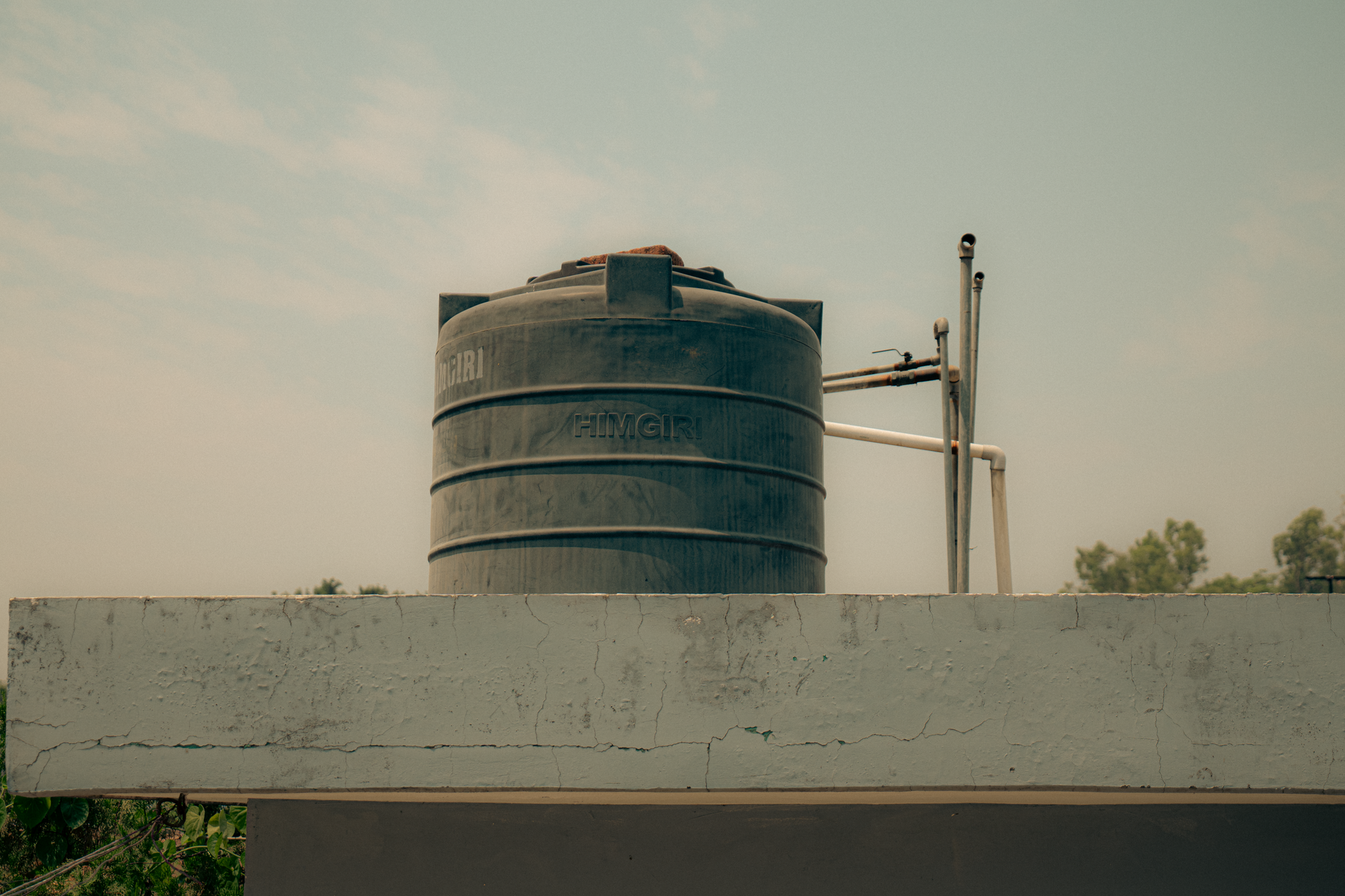
Grundfos Scala2 is a self-priming booster pump with a built-in pressure tank, pressure sensor, and dry-run protection. It pulls from a storage tank and delivers steady pressure without the wide swings of a standard jet pump. The 1 HP model moves up to 18 GPM and holds 65 PSI, so showers do not scald when a toilet flushes. I have run one on a 1,500-gallon cistern for three years with only a strainer cleaning each spring. The pump is not cheap, but it replaces a pressure tank, pressure switch, and pump controller in one box. If you need drinking water, pair it with a water purification method because the pump does not treat anything.
The Scala2 handles suction lift up to 8 feet. That limit matters. If your tank is buried or the suction line runs 30 feet, you need a different pump. It also needs clean water. Sand or grit will chew the impeller. Install a sediment filter before the pump inlet. The built-in tank is small, about 0.5 gallons, so it relies on the sensor to maintain pressure. That works well, but it means the pump starts more often than a system with a 50-gallon pressure tank. You can add an external tank if you want longer cycles.
Wiring is 115V AC, so a standard outlet works. The pump is quiet compared to a jet pump. It does not need a pressure switch adjustment or a priming plug. Check the Grundfos Scala2 on Amazon. For a whole-house system on a tank, this is the one I recommend first.
Key strengths:
- ✅ Holds constant pressure within a few PSI, so showers and appliances do not surge.
- ✅ Built-in pressure tank, sensor, and dry-run protection simplify plumbing.
- ✅ Quiet operation compared to a shallow well jet pump.
- ✅ Self-priming after the initial fill, which reduces restart hassle.
- ❌ High upfront cost compared to a basic jet pump.
- ❌ Not designed for dirty water or long suction runs beyond 8 feet.
- ❌ Small internal tank causes frequent starts unless you add an external tank.
Who it’s for: Homeowners with a clean storage tank who want city-like pressure and can pay for a premium pump.
2. Wayne WJS50 , Best Budget Shallow Well Jet Pump
Wayne WJS50 is a 1/2 HP shallow well jet pump that many well owners use with a storage tank or a shallow well. It is cast iron, 115/230V, and rated for up to 25 feet of suction lift. Flow tops out around 10 GPM at 30 PSI. That is enough for two fixtures at once, but not a whole house with irrigation running. The pump is cheap and parts are everywhere. I keep a spare pressure switch and foot valve on the shelf because they fail first.
The WJS50 is loud. You will hear it in the house if it sits in a basement. It also rusts inside if the water is acidic or has high iron. That rust shortens life to five or seven years in bad water. For a cabin or a small home, it works. For a family of four with a dishwasher and a washing machine, it will cycle hard. Add a 30 to 50 gallon pressure tank to reduce starts. Check the Wayne WJS50 on Amazon.
Key strengths:
- ✅ Low purchase cost and widely available replacement parts.
- ✅ Handles up to 25 feet of suction lift, enough for many shallow wells.
- ✅ Cast iron body is durable if water chemistry is neutral.
- ✅ Simple design that a DIY installer can repair without special tools.
- ❌ Noisy operation that carries through floors.
- ❌ Cast iron rusts in acidic or high-iron water.
- ❌ Cannot supply high flow for whole-house demand without a large pressure tank.
Who it’s for: Budget-focused owners of shallow wells or small cabins who can tolerate noise and lower flow.
3. SHURflo 2088 , Best 12V Pump for Off-Grid Cabins
SHURflo 2088 is a 12V DC diaphragm pump that runs directly from a battery bank. It delivers about 3.3 GPM at 45 PSI, which is enough for a sink, shower, and toilet in a small cabin. The pump is self-priming, can run dry without immediate damage, and draws around 10 amps. That makes it a good match for a 200W solar panel and a 100Ah battery. It is not a whole-house pump. If you run a washing machine or two showers at once, it will fall short.
The 2088 uses a pressure switch and a bypass valve. It cycles on and off as you open a tap. That cycling is normal. Mount it on rubber feet because the diaphragm pulses and makes noise. The pump tolerates some debris but not sand. Use a strainer. It also needs a fuse or breaker close to the battery. Check the SHURflo 2088 on Amazon. For a tiny off-grid tank system, this is a reliable workhorse.
Key strengths:
- ✅ Runs on 12V DC without an inverter, saving power.
- ✅ Self-priming and can survive short dry runs.
- ✅ Low amp draw pairs well with small solar arrays.
- ✅ Compact size fits under a cabinet or in a tight pump house.
- ❌ Low flow cannot support a full household.
- ❌ Diaphragm pulses create noise and vibration.
- ❌ Not designed for gritty water or high suction lift.
Who it’s for: Off-grid cabin owners with a small tank and a 12V battery system who need basic pressurized water.
4. Red Lion RL-SPRK150 , Best for Rain Tank Irrigation
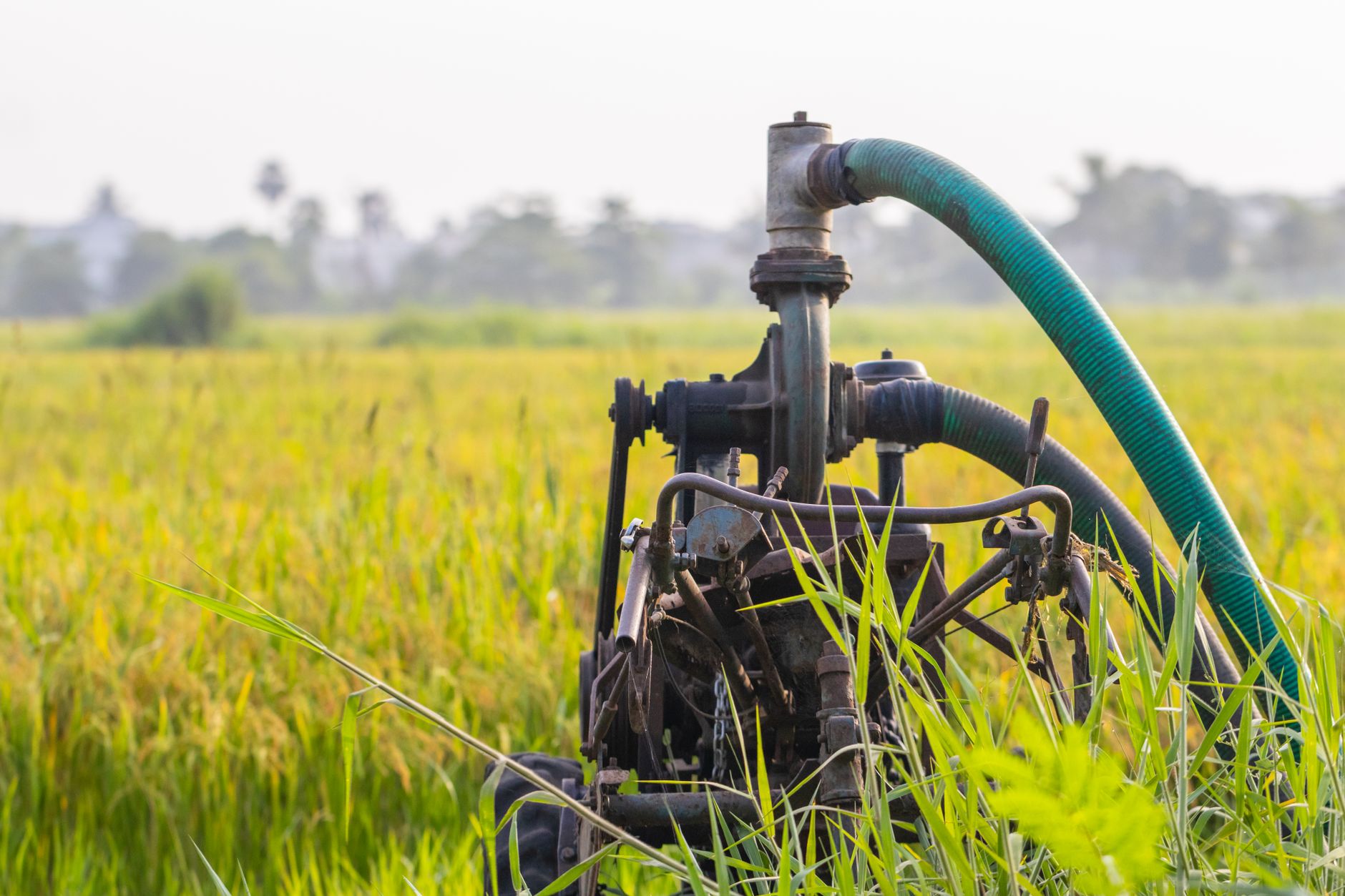
Red Lion RL-SPRK150 is a 1.5 HP sprinkler pump built for moving large volumes from a rain tank, cistern, or pond. It moves up to 75 GPM, which is far more than any household needs. That flow is for irrigation, not drinking water. The pump is self-priming, but it needs a foot valve and a strainer to keep debris out. It runs on 115V AC and draws significant current. A 15 amp circuit may not be enough at startup. Check your breaker before you buy.
This pump is not for potable water. The cast iron and brass internals can add rust and metals to the water. Use it for garden beds, fruit trees, or livestock troughs. It is loud, and it must be protected from freezing. In a rain harvesting setup, place it below the tank outlet or use a suction line that stays flooded. The RL-SPRK150 is overkill for a single rain barrel. It shines when you have a 500-gallon or larger tank and a drip line or sprinkler zone.
Key strengths:
- ✅ High flow rate for large rain tanks and irrigation zones.
- ✅ Self-priming design with common replacement parts.
- ✅ Handles some debris with a proper strainer and foot valve.
- ✅ Works on standard 115V AC power for easy wiring.
- ❌ Not safe for drinking water due to cast iron and brass components.
- ❌ High startup current may trip a 15 amp circuit.
- ❌ Loud operation and freeze damage risk in cold climates.
Who it’s for: Gardeners and homesteaders with large rain tanks who need high-volume irrigation, not potable water.
5. Grundfos SQFlex , Best Solar Direct Pump for Remote Sites
Grundfos SQFlex is a submersible pump that runs directly from solar panels without batteries or an inverter. It can pump from a deep well, a cistern, or a tank if the pump body stays submerged. Flow varies with sunlight. At full sun, a small SQFlex model can move around 12 GPM. At dawn and dusk, it slows to a trickle. That is fine if you fill a storage tank during the day and gravity-feed the house at night. It is not fine if you need constant pressure at the tap.
The SQFlex motor is brushless and built for long life. It handles voltages from 30V to 300V DC, so panel wiring is flexible. The pump is expensive and requires a controller for dry-run protection. Installation is not a DIY job for most people. You need a trained solar pump installer. The WHO water quality standards still apply to any drinking water you store after pumping. Test for bacteria and metals before you drink it. For a remote cabin or livestock trough far from power, the SQFlex is the most reliable option I have seen.
Key strengths:
- ✅ Runs directly from solar panels without batteries or inverter.
- ✅ Brushless motor and wide voltage range handle long wire runs.
- ✅ Can pump from deep wells or cisterns where AC power is absent.
- ✅ Fills a storage tank during the day for gravity-fed use at night.
- ❌ Very high cost compared to AC pumps.
- ❌ Flow depends on sunlight, so no constant pressure without a tank.
- ❌ Requires professional installation and a controller.
Who it’s for: Remote off-grid sites with deep water and plenty of sun where running power lines is impossible.
Frequently Asked Questions
What size pump do I need for a 1000 gallon water tank?
Tank size matters less than flow rate and pressure. For a typical home, choose a pump that delivers 10 to 15 GPM at 40 to 60 PSI. A 1000 gallon tank gives you buffer time, but the pump still needs to match your peak demand.
Can I use a shallow well jet pump with a storage tank?
Yes, if the tank outlet is within the pump suction lift limit. Most shallow well jet pumps handle up to 25 feet of lift. Keep the suction line short and use a foot valve to stay primed.
Do I need a pressure tank with a water tank pump?
You need a pressure tank or a pump with a built-in controller. A pressure tank stops the pump from cycling every time you open a tap. Without one, the pressure switch and motor wear out faster.
What pump works best for off-grid solar?
A 12V or 24V DC diaphragm pump works well for small cabins. For deep wells or larger tanks, a solar direct submersible like the Grundfos SQFlex is the most reliable choice. It fills a storage tank during sunny hours.
How do I keep a water tank pump from losing prime?
Install a foot valve at the bottom of the suction line and keep the line airtight. Check the strainer regularly. If the pump runs dry, stop it and refill the suction line before restarting.
Are water tank pumps safe for drinking water?
Only pumps rated for potable water are safe. Sprinkler pumps and cast iron pumps can add rust or metals. For drinking water, use a potable-rated pump and test your water after installation.
What Should You Remember?
- Match total head first: Measure vertical lift plus friction loss before you buy any water tank pump.
- Size for peak demand: A family of four needs 10 to 15 GPM at 40 to 60 PSI, not the average day.
- Choose power wisely: AC pumps are cheaper, but 12V DC or solar direct pumps work without an inverter.
- Protect the pump: Use a strainer, foot valve, and sediment filter to prevent debris damage.
- Add a pressure tank: A 30 to 50 gallon tank stops short cycling and extends pump life.
- Test before drinking: Even a clean tank can grow bacteria. Test for coliform and metals before you drink.
This article is for general information only. Water purification and storage carry health and safety risks , always follow local regulations and manufacturer guidance.