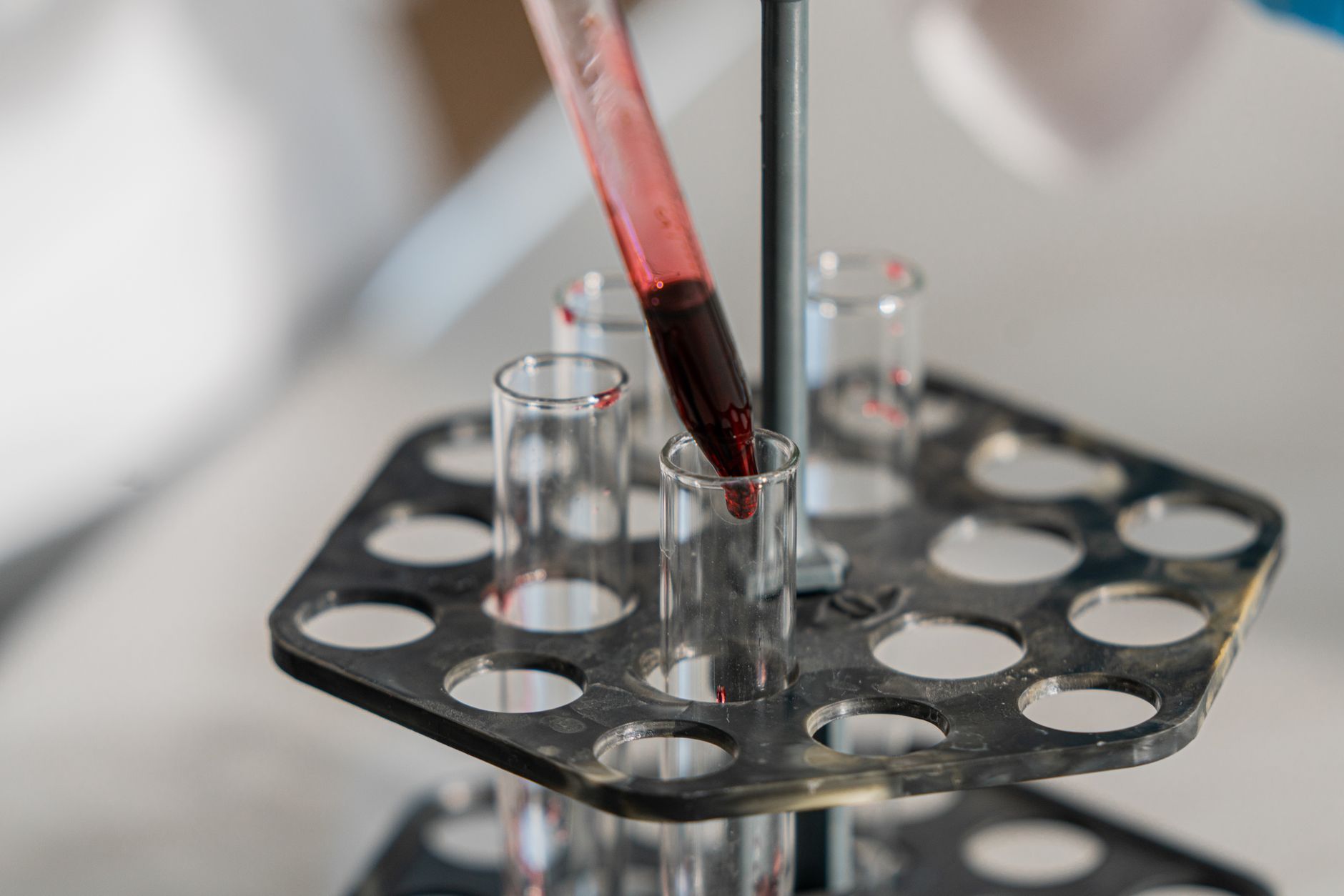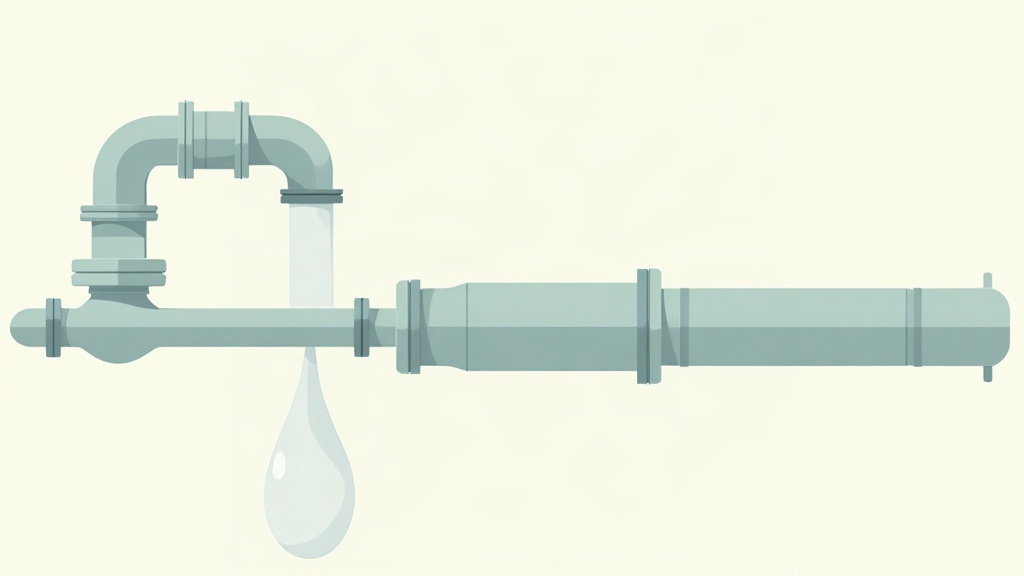
If you pull water from a well, the county does not test it or treat it for you. The EPA’s drinking water standards set legal limits for over 90 contaminants, but they apply to public utilities. Private well owners carry the testing and treatment burden alone. That reality hits hard when large scale water filtration becomes necessary for a big house, garden, livestock, or a small community. Before spending a dollar on equipment, run a full well water quality test and write down the exact levels of iron, manganese, hardness, bacteria, nitrates, and pH. Then match the system to the contaminant. Anything else is guessing with expensive plumbing.
The flow rate number decides whether your shower holds pressure or dribbles. A two-bathroom home needs 8 to 12 gallons per minute (GPM) of peak flow. Add drip irrigation, a livestock trough, or a garden hose and the demand can spike to 15 GPM during summer mornings. Large scale filtration systems must handle that spike without pushing pressure below 30 psi. Filter makers advertise service flow, but you need peak flow and pressure drop data. If your well pump short cycles after installation, the filter is too restrictive for your plumbing. Compare tested whole house options with strong flow curves in best whole house water filters 2026.
Upfront cost is a small part of the true cost. A basic three-stage sediment and carbon system can cost $450 to $1,200 and use replacement cartridges every 6 to 12 months. A specialty iron filter or reverse osmosis unit costs $1,500 to $12,000 and carries backwashing, brine, or membrane replacement costs. Some systems waste 30 to 50 percent of incoming water. On a low-yield well, that waste can drain your water storage tank during a dry spell. The CDC’s drinking water safety guidelines recommend treating only confirmed contaminants, not a vague list of fears. A reliable water testing kit once a year tells you what needs treating.
Whole house filters are not one-size-fits-all equipment. I have pulled apart systems that looked impressive on a website but could not hold pressure on a 15 GPM well pump. For this comparison, I focused on five systems that have real flow curves, clear replacement media costs, and honest contaminant ratings. Each system was judged for a 2,500-square-foot home or small homestead with peak demand around 10 GPM. Actual prices shift with local plumbing, water chemistry, and seasonal demand. For broader treatment methods beyond whole house filters, see water purification methods. Pay close attention to maximum operating pressure and pressure drop at your peak flow. A system that works on city water pressure will struggle on a well pump that cycles between 30 and 50 psi.
How Do the Top Options Compare?
| System | Best For | Flow Rate | Capacity | Price |
|---|---|---|---|---|
| iSpring WGB32B | Sediment and chlorine reduction | 15 GPM | 100,000 gal | Check Price |
| Aquasana Rhino EQ-1000 | Chlorine and scale control | 14.7 GPM | 1,000,000 gal | Check Price |
| SpringWell CF1 | Well water sulfur and metals | 9 GPM | 1,000,000 gal | Check Price |
| SoftPro Iron Master | Iron and manganese removal | 10 GPM | Backwash media | Check Price |
| Pentair Pelican NaturSoft | Scale prevention | 10 GPM | 600,000 gal | Check Price |
Prices are current as of writing and exclude installation. Some systems require drain lines or backwash discharge. Always test raw water before selecting a system.
1. iSpring WGB32B 3-Stage Whole House Water Filtration System , Best for general well water sediment and chlorine reduction
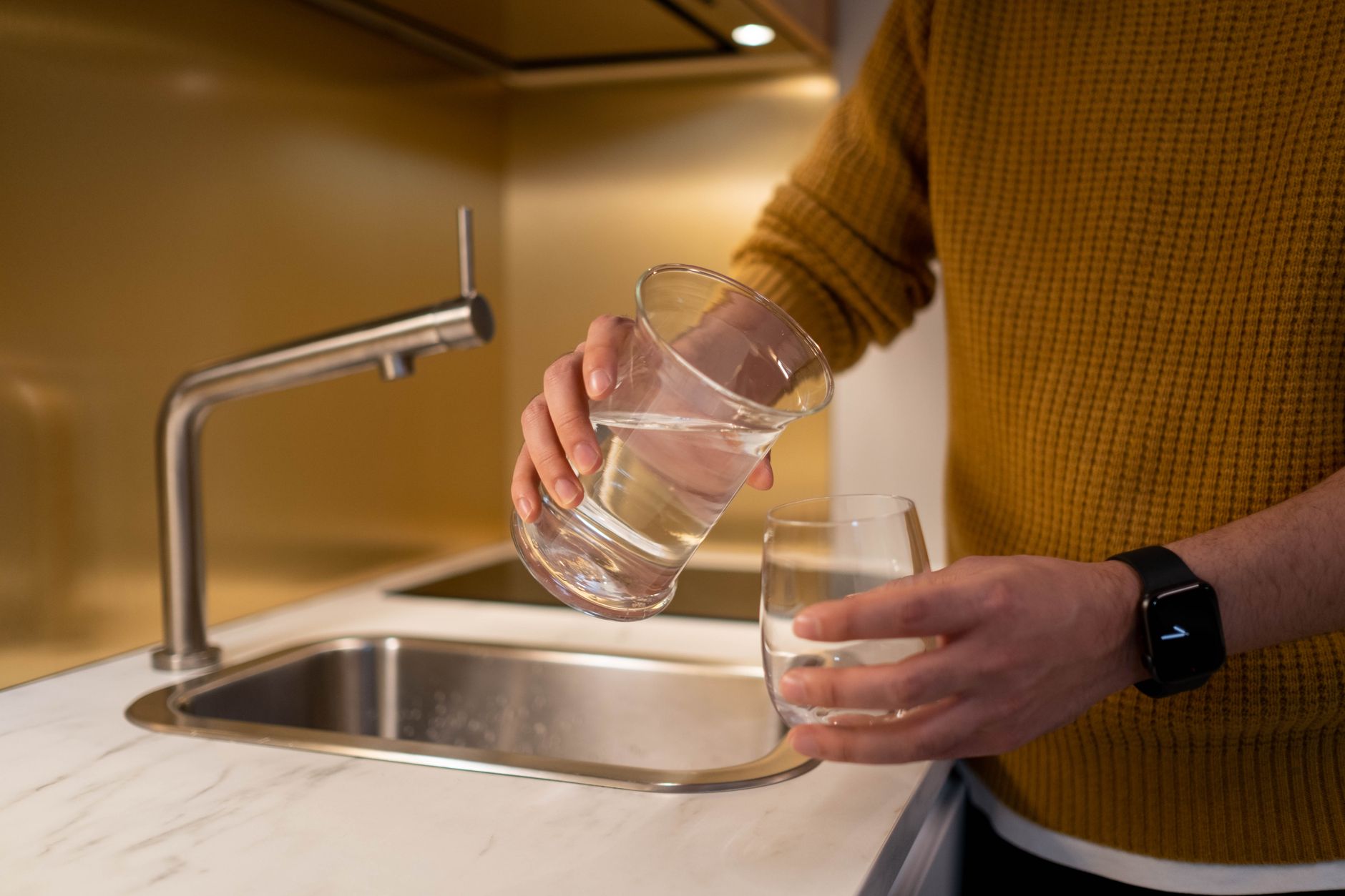
The iSpring WGB32B is a high-flow workhorse for wells with visible sediment and mild chemical taste. It uses a 5-micron polypropylene sediment filter, a 5-micron carbon block, and a second carbon block to pull out sand, silt, rust, chlorine, VOCs, and some agricultural chemicals. Rated at 15 GPM, it keeps pressure stable for a three-bathroom house running a shower, washer, and garden hose at the same time. The housing is reinforced polycarbonate, so it handles well pump pressure swings better than thin plastic canisters. Check the iSpring WGB32B on Amazon for current pricing. Cartridges last about 6 to 12 months or 100,000 gallons, whichever comes first. On a well with heavy sediment, the first stage loads up fast and should be checked every 60 days. This system does not remove dissolved iron, hardness, bacteria, or nitrates. For those problems, you need an additional step like air injection or reverse osmosis. Still, as a first stage for general well water, it protects downstream equipment from grit and organic taste. Installation is straightforward for anyone who has replaced a water heater. Use a bypass valve so you can change cartridges without shutting down the house.
Key strengths:
- ✅ High 15 GPM flow rate holds pressure under simultaneous use
- ✅ Three stages capture sediment, rust, chlorine, and VOCs
- ✅ Reinforced polycarbonate housing handles well pressure swings
- ✅ 100,000-gallon cartridge life keeps maintenance simple
- ✅ Lower upfront cost than specialty treatment systems
- ❌ Does not remove dissolved iron, hardness, nitrates, or bacteria
- ❌ First-stage sediment cartridge may need replacement every 60 to 90 days on dirty wells
- ❌ Carbon blocks are not effective against arsenic or fluoride
Who it’s for: Choose this if your well water has visible sediment and mild chlorine or organic taste but low iron and hardness.
2. Aquasana Rhino EQ-1000 Whole House Filter + Salt-Free Conditioner , Best for high-capacity chlorine and scale reduction
The Aquasana Rhino EQ-1000 targets homes with city water or light well water that needs long-life carbon treatment and scale control. It combines a 5-micron prefilter, catalytic carbon, and a salt-free conditioning media. The system is rated for peak flow up to 14.7 GPM and a 1,000,000-gallon or 10-year media life. At $1,500 to $2,000 installed, you pay more up front but replace media a decade later. Check the Aquasana Rhino EQ-1000 on Amazon for current prices. The catalytic carbon reduces 97% of chlorine and chloramines, plus VOCs, herbicides, and pesticides. The salt-free conditioner does not soften water in the traditional sense. It alters scale-forming minerals so they do not stick to pipes, but it will not remove existing scale or solve high hardness above 10 grains per gallon. See water hardness explained to understand what a salt-free system can and cannot do. On a well with iron bacteria or high iron, install a dedicated iron filter before this unit.
Key strengths:
- ✅ 1,000,000-gallon or 10-year media life reduces long-term cost
- ✅ Catalytic carbon removes 97% of chlorine and chloramines
- ✅ Salt-free conditioner prevents scale without brine discharge
- ✅ Includes 5-micron prefilter and high-capacity housing
- ✅ Backed by a 10-year warranty
- ❌ Not a true softener for hardness above 10 grains per gallon
- ❌ Does not remove iron, manganese, sulfur, or bacteria from well water
- ❌ Replacement media is expensive at the 10-year mark
Who it’s for: Choose this if you need long-life chlorine and scale control on water with low to moderate hardness.
3. SpringWell CF1 Whole House Water Filter System , Best well water filtration with catalytic carbon and KDF
The SpringWell CF1 is built specifically for well water. It pairs catalytic carbon with KDF 55 media to handle chlorine, hydrogen sulfide, heavy metals, and organic taste. Flow rate lands around 9 GPM, enough for two to three bathrooms and a garden, but not a full commercial barn. Capacity is 1,000,000 gallons, so replacement media runs $600 to $900 every 8 to 10 years. Check the SpringWell CF1 on Amazon to compare current pricing. One advantage is low maintenance. The system backwashes itself nightly, and the control valve is simple to program. KDF 55 also inhibits bacteria and algae growth inside the tank, which matters for wells with occasional coliform hits. It is not a UV sterilizer or chlorinator. If bacteria are confirmed, add a UV stage after the tank. The CF1 also has a 1-inch high-flow port, so pressure drop stays low even at peak demand.
Key strengths:
- ✅ KDF 55 media controls sulfur, heavy metals, and organic taste
- ✅ 1,000,000-gallon capacity with 8 to 10 year media life
- ✅ Automatic backwash keeps maintenance to yearly valve checks
- ✅ 1-inch ports reduce pressure drop at peak flow
- ✅ Designed specifically for well water conditions
- ❌ 9 GPM flow may not support simultaneous high-use commercial operations
- ❌ Replacement media costs $600 to $900 every decade
- ❌ Does not remove hardness or nitrate
Who it’s for: Choose this if you want low-maintenance, well-specific treatment for sulfur, metals, and organic taste.
4. SoftPro Iron Master AIO Air Injection Iron Filter , Best for high iron and manganese removal
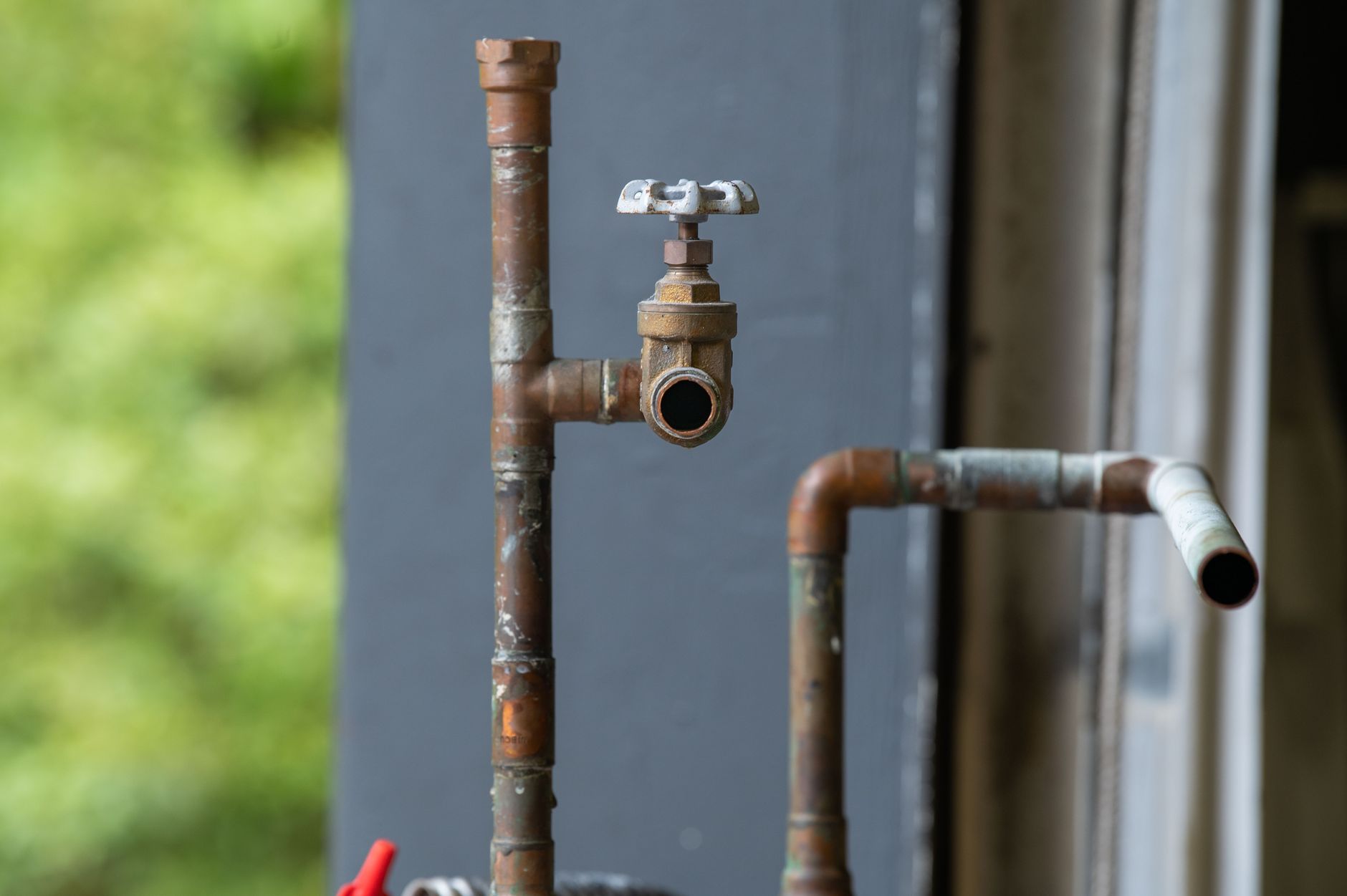
High iron stains sinks, toilets, and laundry with orange streaks. The SoftPro Iron Master uses air injection oxidation to turn dissolved iron and manganese into solid particles, then traps them in a catalytic media bed. It handles up to 10 GPM and treats iron levels up to 10 ppm and manganese up to 5 ppm. During an automatic backwash, the trapped iron flushes to a drain, so you need a floor drain or daylight drain nearby. Plan for a drain line because backwashing discharges several gallons per cycle. The system also raises the oxygen level in water, which can reduce sulfur odor. But it will not fix hardness, bacteria, or low pH. If your well tests high in iron and manganese, this filter saves appliances and plumbing from scale and staining. Pair it with a water softener if hardness is also above 3 grains per gallon.
Key strengths:
- ✅ Air injection removes up to 10 ppm iron and 5 ppm manganese
- ✅ Automatic backwash flushes oxidized iron down the drain
- ✅ Raises dissolved oxygen, which reduces sulfur odor
- ✅ 10 GPM flow suits most homes
- ✅ Lower long-term cost than continuous chemical injection systems
- ❌ Requires a drain line for backwash discharge
- ❌ Does not remove bacteria, hardness, or nitrates
- ❌ Initial media bed may need 2 to 3 weeks of use to reach full oxidation
Who it’s for: Choose this if your well stains fixtures and laundry with iron or manganese.
5. Pentair Pelican NaturSoft Salt-Free Conditioner + Carbon Combo , Best for scale prevention with whole house carbon
The Pentair Pelican NaturSoft combines a salt-free scale prevention tank with a whole house carbon filter. It is not a traditional softener. It uses template-assisted crystallization to convert hardness minerals into inactive micro-crystals that stay suspended and do not attach to pipe walls. Flow rate is 10 GPM and capacity is rated for 600,000 gallons, enough for a family of four for 8 to 10 years. The carbon stage handles chlorine, VOCs, and sediment, but the system does not physically remove hardness minerals. If you want zero hard water minerals in your washing machine or water heater, install an ion exchange softener. The salt-free approach suits people who cannot discharge brine into a septic system or who want to keep beneficial calcium and magnesium in drinking water. It also requires no salt, no drain, and no backwash, which cuts maintenance dramatically.
Key strengths:
- ✅ No salt, no drain, and no backwash required
- ✅ 10 GPM flow and 600,000-gallon capacity
- ✅ Carbon removes chlorine, VOCs, and sediment
- ✅ Prevents scale without removing beneficial minerals
- ✅ Works well for septic systems that cannot take brine discharge
- ❌ Does not remove hardness minerals from water
- ❌ Existing scale in pipes will remain until manually cleaned
- ❌ Not effective for iron, sulfur, or bacteria
Who it’s for: Choose this if you want low-maintenance scale prevention and carbon filtration without salt or drain limitations.
Frequently Asked Questions
What size water filter do I need for a whole house?
Add up your peak flow from showers, washing machines, and outside spigots. Most homes need 8 to 12 GPM. Choose a system rated at or above your peak flow, not your average flow. Undersized filters cause pressure drops below 30 psi.
Do large scale filters remove bacteria from well water?
Only a UV purifier, chlorine injection, or distillation removes or kills bacteria. Sediment and carbon filters do not. If bacteria are confirmed, install a UV stage after the filter.
How often do whole house filter cartridges need replacing?
Sediment cartridges usually last 6 to 12 months. Carbon blocks may last 6 to 12 months depending on water quality. Media tanks with backwashing can last 8 to 10 years before replacement.
Can I use a salt-free conditioner instead of a water softener?
Salt-free conditioners prevent scale from forming on pipes but do not remove hardness minerals. If you need spot-free dishes and softer laundry water, a traditional ion exchange softener is required.
Will a large filter fix iron staining?
Only an air injection or oxidizing iron filter handles high iron. Standard carbon and sediment filters cannot remove dissolved iron. Test iron levels first because systems are rated for specific ppm ranges.
What maintenance does a large backwashing filter require?
Check the control valve and drain line every 6 months. Ensure the drain is not blocked. Replace media according to the manufacturer schedule, typically every 8 to 10 years.
What Should You Remember?
- Test first before buying any filtration system. Match the media to confirmed contaminants.
- Size for peak flow at 8 to 12 GPM for a home, not average flow.
- Know your iron because sediment and carbon filters cannot remove dissolved iron.
- Calculate replacement costs for media and cartridges before comparing upfront price.
- Add a UV stage if total coliform or E. coli are present.
- Watch drain requirements for air injection and backwashing systems.
- Use a bypass valve to make filter changes quick and safe.
This article is for general information only. Water purification and storage carry health and safety risks , always follow local regulations and manufacturer guidance.