Water is the lifeblood of any off-grid property. But simply having a stream or rainfall on your land doesn’t give you automatic rights to use it. Water rights and permits govern who can draw from groundwater, collect rain, or divert surface water. In 2026, staying on top of these rules is more critical than ever. New regulations, climate pressures, and evolving state laws mean that what was allowed five years ago may now require a permit.
According to the CDC, more than 43 million Americans rely on private wells for drinking water. Meanwhile, the National Ground Water Association reports a 15% increase in permit applications in drought-prone states over the last year. These numbers highlight a growing trend: both homeowners and off-grid enthusiasts are tapping into their own water sources, but they must navigate a maze of legal requirements. Failure to do so can lead to fines, well shutdowns, or even legal battles.
This guide breaks down the essentials of water rights and permits in 2026. We will cover well drilling, rainwater harvesting, water storage, and the key regulations you need to know. Whether you’re planning a new well, installing a rain tank, or just want to understand your rights, you’ll find actionable advice backed by EPA and NGWA standards. Let’s start with the basics of what water rights actually mean.
| Water Right Type | Primary Region | Basic Principle | Permit Impact |
|---|---|---|---|
| Riparian Rights | Eastern U.S. | Water use tied to land along a watercourse | Typically no state permit for reasonable use, but well permits still required |
| Prior Appropriation | Western U.S. | First in time, first in right; water can be used on non-riparian land | Requires a permit for new water appropriations; junior rights can be cut off in shortages |
| Groundwater Rights | Varies by state | Rules governing underground aquifers; often absolute ownership or reasonable use | Permit needed for new wells; some areas require metering and sustainability plans |
| Pueblo Rights | Southwest (historic Spanish towns) | Municipal right to meet growing city needs, superior to other users | City may need permits but has priority; can affect nearby private well water tables |
What Are Water Rights and Why Do They Matter in 2026?

At its core, a water right is a legal entitlement to use water from a specific source, such as a well, spring, or stream. In the United States, water law splits into two main doctrines: riparian rights and prior appropriation. Riparian rights, common in the East, tie water use to land ownership adjacent to a waterway. You can use water for reasonable purposes, but you generally can’t deplete the flow. Prior appropriation, predominant in the West, awards rights based on first use, regardless of land adjacency. This ‘first in time, first in right’ system means older rights holders can claim water even during shortages.
In 2026, these doctrines are under strain. Prolonged droughts and growing populations have made water a scarce commodity. States are tightening permit requirements, especially for new wells and large rainwater systems. The EPA’s drinking water standards now emphasize source protection, which can affect how you use your water. For off-grid properties, understanding which doctrine applies is the first step. If you plan to drill a well, you’ll likely need a permit that proves your use won’t harm existing rights or the aquifer.
Groundwater, in particular, is increasingly regulated. Many states now require permits for wells that once were exempt. For example, in Colorado, new domestic wells may face limits on lawn irrigation. In California, groundwater sustainability agencies can mandate meters on private wells. Even rainwater collection, once widely unregulated, now faces restrictions in some areas due to downstream impact concerns. This section of the law is evolving fast, so staying updated through sources like the National Ground Water Association is essential.
What does this mean for your off-grid setup? It means you can’t just turn on a spigot. You must verify that your water use aligns with state and local law. Doing so protects you from legal trouble and ensures long-term water availability. We’ll explore the permitting steps next.
- Riparian rights (Eastern U.S.)
- Prior appropriation (Western U.S.)
- Groundwater rights (varies by state)
- Pueblo rights (specific to municipalities)
How Do I Determine If I Need a Water Permit on My Property?
The short answer: almost any substantial water use beyond a simple garden hose from a municipal supply requires some level of permission. However, the specifics depend on your water source and how you plan to use it. For private wells, you almost always need a permit to drill or modify a well. The well drilling guide on this site explains the technical side, but legally, the permit process involves submitting a site plan, paying a fee, and sometimes proving that your well won’t contaminate groundwater.
Rainwater harvesting is another common off-grid solution that may or may not require a permit. In 2026, laws vary widely. Texas actively encourages rain collection and offers tax incentives, while Colorado has only recently relaxed its strict rules to allow limited residential use. A good rule of thumb: if your rainwater collection system exceeds a certain capacity (often 5,000 gallons), you may trigger permitting requirements, especially if you plan to use the water for indoor plumbing. Check with your state’s environmental agency or a local water rights attorney.
Greywater recycling from sinks and showers can also fall under permit scopes. Some states classify greywater as wastewater and require a separate permit. The greywater recycling guide offers practical installation tips, but don’t forget the legal step. Many counties require a building permit and backflow prevention device to use greywater for irrigation.
To determine your exact needs, start by visiting your county’s health department or water resources division. You can also consult the EPA’s compendium of state water regulations. Keep in mind that even if a permit isn’t required, you may still need to follow best practices like well testing. Use a water testing kit to ensure your supply meets CDC drinking water guidelines. This proactive step can help you avoid enforcement actions later.
- Drilling a new well or deepening an existing one
- Installing a rainwater tank over 5,000 gallons in some states
- Diverting water from a stream or creek on your property
- Setting up a greywater system for indoor reuse
- Large-scale water storage for agricultural use
How Does the Well Drilling Permitting Process Work?

The well drilling permit process is one of the most common entry points for off-grid water seekers. It typically begins with a site evaluation. You’ll need to document your property location, proposed depth, distance from potential contaminants like septic systems, and estimated water usage. The well drilling cost guide breaks down the financial side, but permit fees alone usually range from $100 to $500, depending on the state. According to NGWA, the total cost of a new residential well, including permits and drilling, averages between $3,750 and $15,300.
Once you submit your application to the appropriate agency (often a county health department or state water board), expect a review period of two to six weeks. Some states require a public notice or a hearing if the well might affect neighboring rights. After approval, you can hire a licensed driller who must follow state construction codes. Post-drilling, an inspection is commonly required to verify depth, casing, and grouting. You’ll also need to test the water quality. The how to test well water quality guide provides a step-by-step process.
In 2026, many areas have added requirements for water meters or monitoring reports to track groundwater use. For example, California’s Sustainable Groundwater Management Act now mandates that new wells in critical basins include a meter. This data helps local agencies manage the aquifer sustainably. If you’re in a region with declining water tables, expect greater scrutiny. You may even need a water rights adjudication, which can add months to the process.
Don’t overlook the post-drilling obligations. Annual well inspections and regular water testing are often mandated. Using a reliable water testing guide helps you stay compliant and safe. Remember that a permit isn’t just a one-time hurdle; it’s a responsibility to use water wisely and protect the shared resource.
What Are the Rules for Rainwater Harvesting in Different States?
Rainwater harvesting is a cornerstone of off-grid water systems, but its legality and permitting have a checkered history. In recent years, most states have recognized the benefits and relaxed restrictions. Still, in 2026, you’ll find a patchwork of rules. Generally, Eastern states with plentiful rainfall impose few limits. In the arid West, rights to rainwater can be contentious because it affects downstream flows. Colorado, for instance, historically prohibited rain barrels unless you had a well permit, but now allows up to 110 gallons for outdoor use. Texas and Ohio actively promote collection with no permit for residential systems.
If you plan a large system, particularly one that ties into your home’s plumbing, you’ll almost certainly need a permit. The build a rainwater collection system guide details the construction steps, but you must also check local building codes. Often, you’ll need a plumbing permit and an inspection of backflow prevention devices. Some municipalities require that rainwater be disinfected before potable use, which may necessitate a whole-house filter.
For those interested in selling or sharing water, different rules apply. Commercial bottling of rainwater requires a water right permit in many states and must meet WHO drinking water standards. Even for personal use, if your collection system exceeds a certain acreage, you might trigger state water rights enforcement. Always check with your local NRCS office or state water board.
As of 2026, a few states have introduced rainwater harvesting tax credits (Arizona, Texas), but these often require you to register your system. The registration process serves as a de facto permit light. When in doubt, consider starting small and scaling up, ensuring you stay within the legal gray area. A portable water filter can be a good interim solution while you sort out permits.
- Texas: No permit for residential rain barrels; tax incentives available
- Colorado: Up to 110 gallons allowed without a permit; anything larger requires a water right
- California: Rainwater collection allowed; potable use systems need a permit and backflow prevention
- Washington: Some counties require a permit for systems over 500 square feet of collection area
- Arizona: Rainwater harvesting encouraged with tax credits; no permit for simple collection
How Do Water Rights Affect Off-Grid Water Storage and Use?
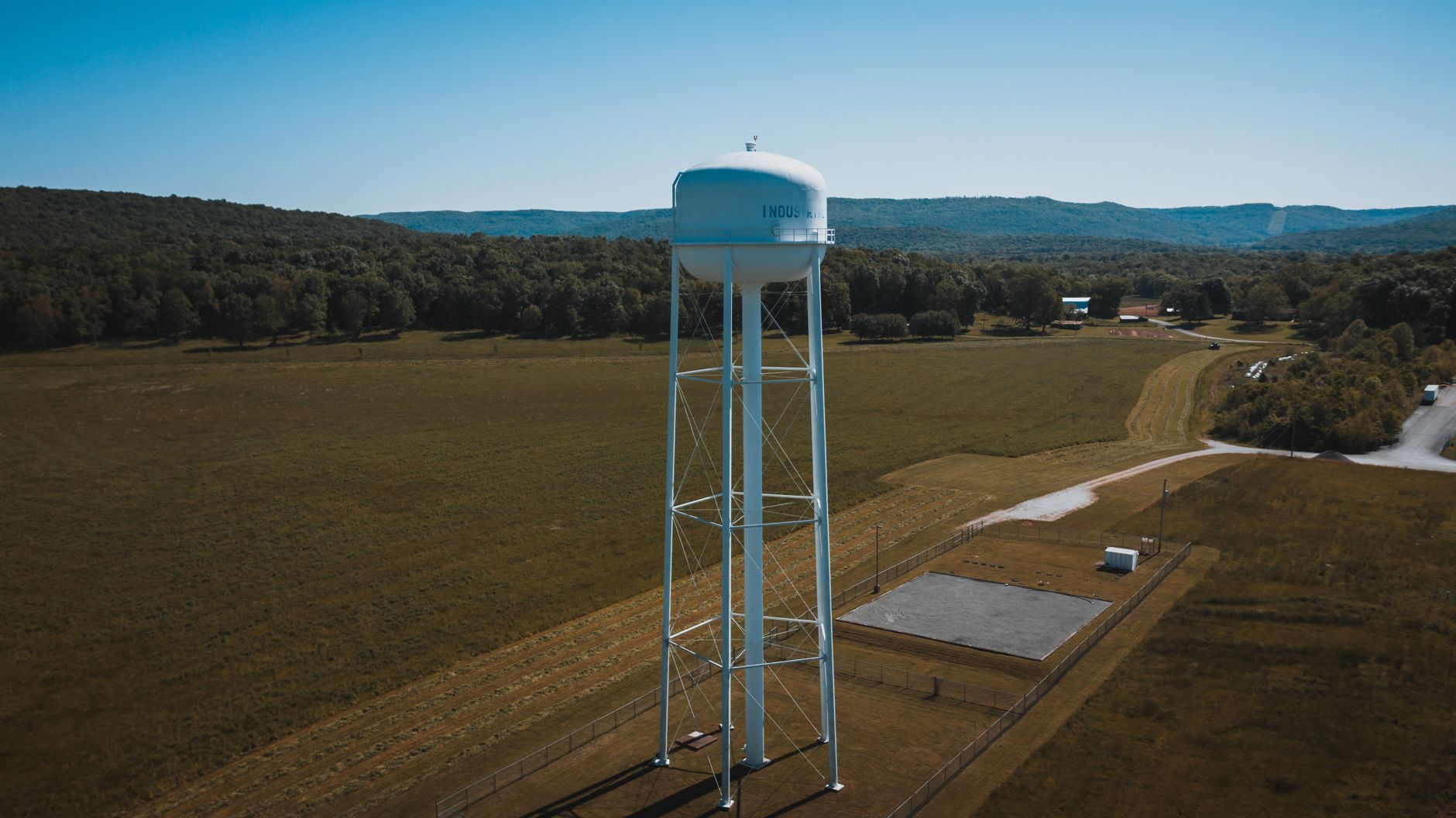
Water storage adds another layer of complexity to water rights. If you pump groundwater into a tank for later use, you generally have the right to store it under your original well permit. However, some states limit the volume you can store without a separate permit. For emergency supplies, the rules are often relaxed. A emergency water storage setup of a few hundred gallons rarely triggers a permit. But when you install a large storage tank for daily living or irrigation, you may need to show that the stored water doesn’t harm junior rights holders.
One key concept is ‘beneficial use.’ Most water rights require that the water be used for a beneficial purpose, such as domestic use, irrigation, or livestock. Stockpiling water indefinitely without a clear use can be considered waste, which is illegal in prior appropriation states. To stay compliant, connect your storage to a defined use and document it.
Additionally, water quality laws intersect with storage. Stored water must remain safe. The EPA’s guidelines on stagnant water encourage regular turnover and treatment. If you use a whole-house filter or treatment system, you protect your health and meet implied warranty requirements. Some counties may require annual water testing reports for large storage systems, especially if used for livestock or rental properties.
For off-grid enthusiasts, the safest approach is to align storage capacity with your well’s yield. Over-pumping to fill mega-tanks can deplete the aquifer and invite legal challenges from neighbors. The off-grid water systems guide describes how to balance supply and demand effectively. When in doubt, consult a water rights attorney to ensure your storage plan doesn’t exceed your permitted water allocation.
What Are the Penalties for Violating Water Rights or Permit Laws?
Breaking water laws can carry severe consequences. In many western states, pumping water without a right can result in fines of up to $10,000 per day of violation, plus equipment confiscation. For instance, the California Water Code imposes civil penalties of $500 to $5,000 per day for unauthorized diversion. If a violation causes environmental harm or infringes on senior rights, you could face lawsuit damages. The courts can order you to cease operations and restore the resource.
Drilling a well without a permit is one of the most common infractions. States like Oregon require drillers to submit well logs, and homeowners who skip permits risk not only fines but also a lien on their property. Additionally, if your unpermitted well contaminates a neighbor’s supply, you’ll be liable for cleanup and damages. This is why well water testing is not just good practice but a legal safeguard.
Even small missteps like exceeding rainwater collection limits can draw attention. In Colorado, a homeowner who built an unpermitted system was forced to drain his 1,500-gallon tank and pay a $1,200 fine. The state has become increasingly vigilant with satellite imagery monitoring large water bodies. Illegally diverting stream flow can lead to criminal charges in extreme cases.
To avoid these penalties, always verify your compliance before breaking ground. Keep copies of all permits and inspection reports. If you inherit a property with an undocumented well, use a water testing kit and contact the state to get it legalized. Many states have amnesty programs to bring old wells into compliance without penalty. Staying informed through resources like the EPA’s enforcement page and state water agencies is your best defense.
Frequently Asked Questions
Do I need a water permit for a shallow well just for watering my garden?
It depends on your state. Many states exempt shallow, low-flow wells from permitting for non-potable use, but some require any well over a certain depth to have a permit. Always check with your county health department.
Can I collect rainwater in all 50 states without a permit?
Most states now allow residential rainwater harvesting without a permit, but restrictions apply on system size and indoor use. Colorado and a few others historically limited it, but rules have loosened. For large systems, permits may be necessary.
How long does it take to get a well drilling permit in 2026?
Processing times range from a few weeks to several months. Simple residential well permits can be approved in 2-6 weeks. In areas with complex water rights or environmental review, expect 3-6 months.
What happens if I buy a property with an unpermitted well?
You may be required to either close the well or bring it into compliance. Many states have amnesty programs to legalize old wells. Start by having the well inspected and tested, then apply for a permit retroactively.
Are there federal water permits I need for a private off-grid system?
Generally, no federal permit is required for a standard residential well or rainwater system. However, if your water use crosses state lines or affects protected wetlands, you may need a federal permit. Most regulation is at the state level.
How can I check if my water rights are secure before buying land?
Hire a water rights attorney to review state records and well logs. Get a water availability analysis and check for any pending adjudications. Also, test the water quality to avoid contamination issues.
What Should You Remember?
- Water rights determine how and when you can use water from your property. Understand whether your state follows riparian or prior appropriation doctrine.
- Well permits are required in almost every state for new drilling. Expect to pay $100 to $500 in fees and wait several weeks for approval.
- Rainwater harvesting regulations vary widely. Always check state and local laws before installing a system, especially if it connects to indoor plumbing.
- Water storage tanks may need a permit if they exceed certain capacities. Emergency supplies under 500 gallons are generally exempt.
- Noncompliance can lead to fines exceeding $10,000 per day in some states, along with mandatory well sealing or tank removal.
- Testing water quality is not only a health safeguard but often a permit requirement. Use EPA-approved water testing kits to ensure safety.
- Stay informed by consulting state water agencies, the EPA, and NGWA resources. Rules can change yearly, especially in water-stressed regions.
This article is for general information only. Water purification and storage carry health and safety risks — always follow local regulations and manufacturer guidance.